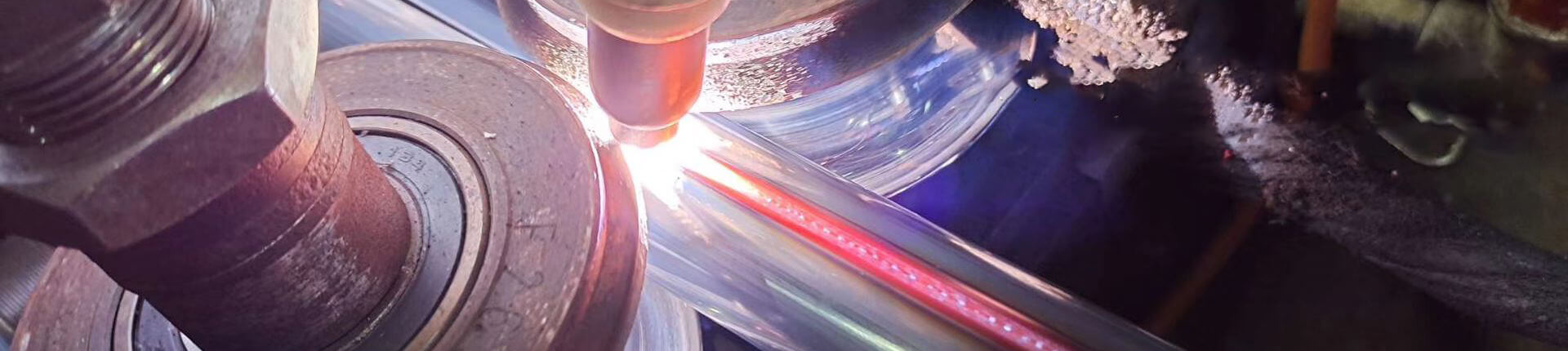


Stainless steel features various grades. These grades depend on the makeup, durability, and ability to resist rust. Among them, 304 and 316 grades appear often in rectangular pipes. ASTM A554 SUS 304 stainless steel rectangular pipes see wide use. This comes from their solid mix of rust protection and toughness. Plus, they offer a nice look. People apply them in building designs, creative projects, and even some plant tasks. Their good appearance and lasting quality make this possible. SUS 304 stands as the usual stainless steel grade. Sometimes, folks pick grade 316 for better rust protection. 316 stainless steel contains more molybdenum than 304 stainless steel. This extra amount boosts its rust resistance. It works well in beach areas with lots of salt in the ocean water.
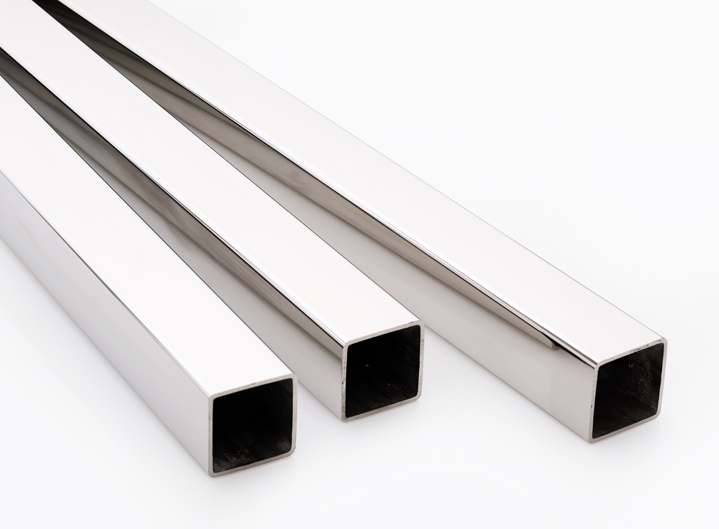
The main difference between these two grades arises from their makeup. Grade 304 has 18% chromium and 8% nickel. On the other hand, grade 316 adds 2–3% molybdenum. This extra part lets 316 handle pitting and crevice rust better. Both grades stay strong and flexible. However, 316 stainless steel copes with rough conditions more steadily. In such places, 316 stainless steel gives a firm guard against rust.
| Property | 304 Stainless Steel | 316 Stainless Steel |
| Main Alloying Elements | Chromium (18%), Nickel (8%) | Chromium (16–18%), Nickel (10–14%), Molybdenum (2–3%) |
| Corrosion Resistance | Excellent in mild environments | Superior in marine/chloride environments |
| Cost | Lower | Higher |
| Common Applications | Construction, furniture, food processing | Marine, chemical processing, pharmaceuticals |
A stainless steel rectangular pipe serves as a hollow, long steel item. It primarily works to carry fluids. These fluids include oil, natural gas, water, and steam. Also, such pipes carry a lighter weight. But they match in strength against bending and twisting. You can find stainless steel rectangular pipes in building frames. They appear in vehicle exhaust parts, machine guards, and plant tools. In cars, stainless steel rectangular pipes act as key braces. Their high tensile strength fits these jobs nicely.
Rectangular pipes handle loads better on their flat sides than round or square ones do. Their form allows easy fitting into parts like rails or frames. When linking, rectangular pipes form firmer ties with flat areas. This trait helps in making chairs or work shelves.
304 Stainless Steel Pipes count as common stainless steel products in stores. They show fair block against rust, good lasting power, and flexibility. Grade 304 does fine in inside areas or spots with light rust risks.
Still, in busy plant areas, quick cleaning matters a lot. It cuts down the risk of rust spots. Over time, exposure to seawater or salts usually causes pitting.
316L Stainless Steel Round Pipes offer a reliable pick for fields that need strong rust resistance, solid build, and steady work in hard places. The molybdenum inside boosts hold against salts quite a bit.
In sea work, grade 316 works for ship building, ocean platforms, and clean water setups. So, grade 316 matches well with coast projects or chemical plants. Those places deal with strong materials often.
Load capacity rests mostly on wall thickness and section size. Thicker walls boost stiffness a good deal. Yet, they add to the total weight.
Makers use careful heat treatment on the pipes. This step improves rust resistance. It strengthens the build, too. The right heat treatment ensures even output under pull or push forces.
Both grades give similar pull strengths, about 520 MPa. But the molybdenum in 316 gives a bit better lasting under repeated loads.
For parts like rails or props that face water often, grade 316 lasts longer. Grade 316 needs less care than grade 304 does.
Shifts in nickel and molybdenum costs change stainless steel prices around the world. Grade 316 costs more mainly because makers add molybdenum.
Rising needs in sea building and chemical work increase the price spread between the grades.
Molybdenum raises the cost of base materials. Also, producing steel with molybdenum calls for tighter checks in the making process.
Grade 316 starts with a higher upfront cost. However, choosing grade 316 cuts down on fix-up expenses later. This way helps projects near water or with chemicals.
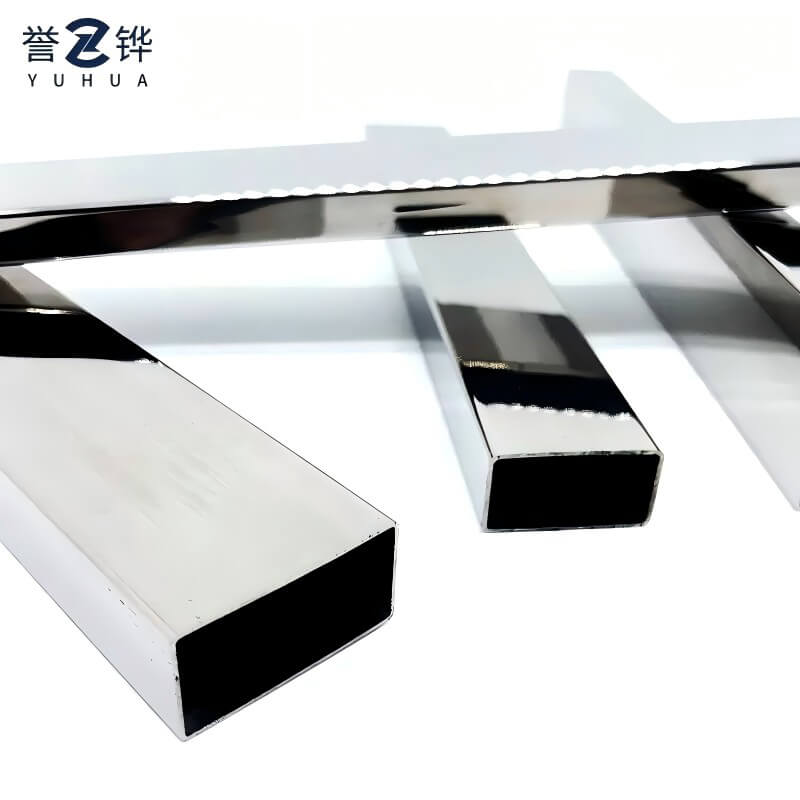
Decide based on the setting that the material will meet. Grade 304 fits dry inside spots well enough. Outside coast zones or places with lots of chemicals require grade 316.
For projects with money limits but okay exposure, grade 304 works steadily. If you want a longer life, go for grade 316 even with the higher start cost.
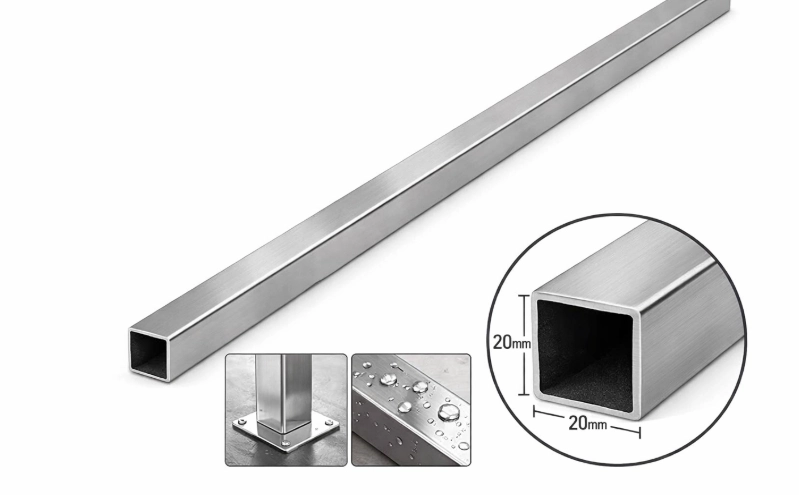
Our 1.5-meter 20x20mm square tubes come from grade 304 stainless steel. Grade 304 stainless steel gives a firm rust shield and a strong base. It runs well in chair frames or inside decor.
Grade 316 stainless steel is used a lot in sea components or chemical tanks. Its better rust wall makes grade 316 stainless steel right for these jobs.
Choosing the right material leads to fewer swaps. It brings steadier work over long periods.
Grade 304 pairs low cost with steady inside use. Grade 316 offers better block from sea rust. Both grades provide a sure strength for building jobs like rails or braces. Steady stainless steel pipe suppliers like YUHUA make these items.
Pick 304 stainless steel rectangular pipes for everyday tasks, such as making chairs or setting up decor. Use 316 stainless steel rectangular pipes for hard spots, like dock areas or factory sites. Learning good ways to form stainless steel pipes during making keeps the top load in place. These ways protect the outside too.
A: Rectangular pipes give a better flat surface fit for straight builds. Meanwhile, rectangular pipes keep a close strength-to-weight ratio.
A: Grade 316 stainless steel works reliably in ocean settings. Grade 316 stainless steel’s molybdenum boosts salt hold. So, grade 316 stainless steel handles spots near water best.
A: Both grades are joined by welding without trouble. However, low-carbon types like 316L cut down on carbide growth. That growth happens in weld steps.
A: Thicker walls increase stiffness. But thicker walls add weight. So, the pick depends on the needed strength support.
A: Solid suppliers like YUHUA provide ASTM-checked products. These products match the exact build needs. They also follow world rules. This covers all kinds of stainless steel pipes. It takes in varied options as well.
 Address: Muyuan Industrial Zone, Shishan Town, Nanhai District, Foshan City, Guangdong Province
 Call us now:+86 13751499396
 Email:546980277@qq.com


Foshan Nanhai Yuhua Hardware Products Co., Ltd.佛山市南海誉华五金制品有限公司