Home

18+
Senior professional
10+
More than 10 types of products
10+
Obtain patent certificate
10+
Engaged in more than 10 years

ABOUT US

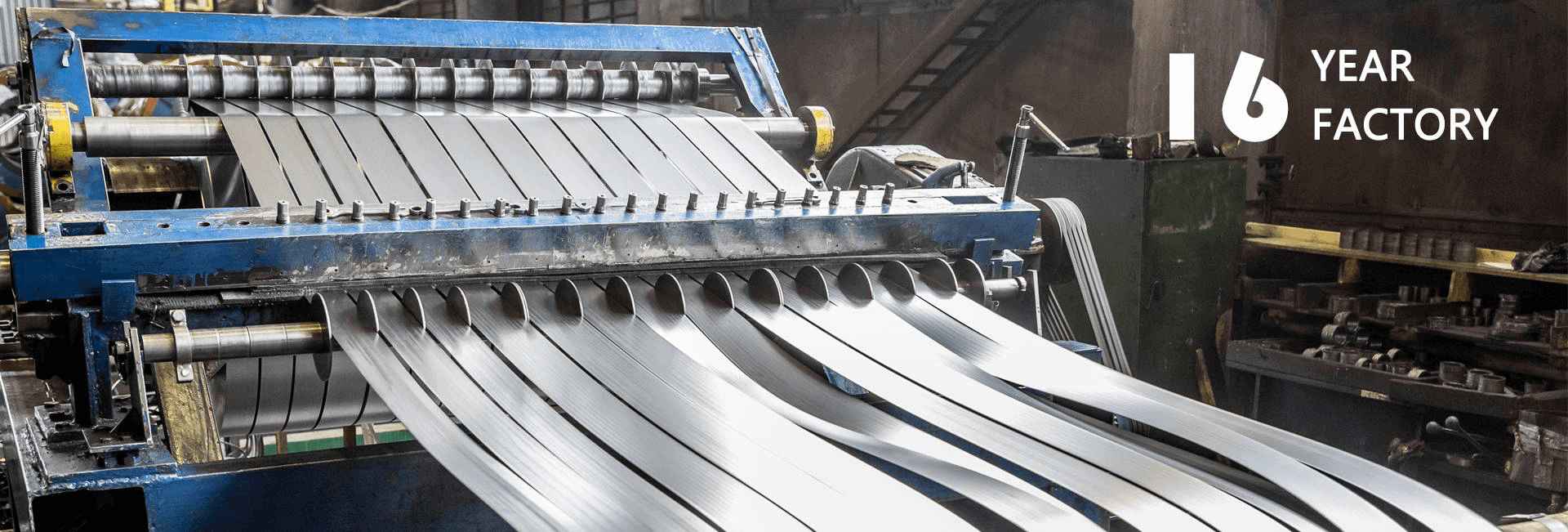
CHY Metal Trading Co., Ltd. was established in 2009 in Nanhai District, Foshan City, and is one of the advanced stainless steel enterprises in Foshan City, China. Our company specializes in producing various series of stainless steel metal pipes, mainly including 200, 201, 202, 300, 304, 304L, 316L, 410, 430, and 400 stainless steel pipes.

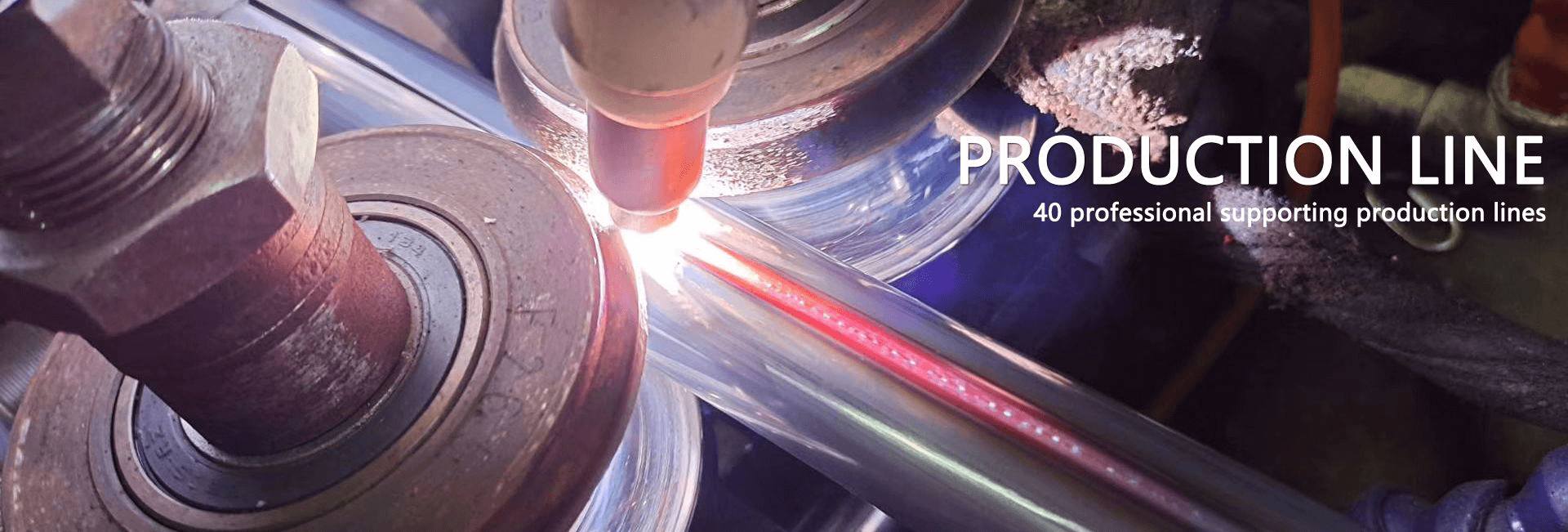
We have reached international standards in production technology, quality, output, and market development. With our own production line and excellent engineering team, we are able to produce customized products for customers and provide high-quality stainless steel products, excellent technical support, and after-sales service. We have passed ISO 9001 certification and Sedex certification, obtained 10 patent certificates, and become a national high-tech enterprise.

We pay close attention to product quality and market trends with a keen eye, ensuring that customers receive the highest quality products at competitive prices. The combination of our traditional values and modern innovation has made us stand out and become the preferred partner for businesses around the world.

PRODUCTS
NEWS CENTER
Why Does Your 201 Stainless Steel Rust Unveiling the 5 Culprits and Anti-Rust Tips
01May

Why Does Your 201 Stainless Steel Rust? Unveiling the 5 Culprits and Anti-Rust Tips

Stainless steel often gets praised for its strong resistance to corrosion. Yet, many people feel confused when their 201 stainless steel starts to display signs of rust. This issue happens quite often. It arises from both the material's makeup and surrounding conditions. The next parts explain why 201 stainless steel rusts. They point out five typical reasons. Plus, they offer useful tips to fight rust and make it last longer. Why Does Your 201 Stainless Steel Rust Unveiling the 5 Culprits and Anti-Rust Tips

What Makes 201 Stainless Steel Susceptible to Rust?

Stainless steel is designed to fight oxidation well. However, not every type works the same in all situations. The ability of 201 stainless steel to resist corrosion relies mainly on its chemical makeup. It also depends on the setting where it gets used.

The Role of Chromium and Nickel Content

The shielding power of stainless steel comes from a slim chromium oxide layer. This layer stops oxygen from touching the metal below. But 201 stainless steel has less nickel than better types like 304. That lower amount weakens its skill to keep this protective layer in tough spots. Nickel helps steady the austenitic form. It also boosts resistance to corrosion. Meanwhile, chromium builds a self-repairing oxide layer. If something breaks this layer through physical or chemical action, rust can appear fast in damp or chloride-heavy places.

Environmental Factors That Accelerate Corrosion

High moisture, salt mist, factory gases, and changes in temperature all raise the chance of corrosion. In areas by the sea, chloride bits break through the protective film. This starts pitting corrosion. Places with factories bring in sulfur dioxide or nitrogen oxides. These mix with water in the air to create acidic buildup on metal faces. Cleaning often helps clear away these leftovers. That way, they do not cause lasting harm.
Coastal (High Chloride)Very HighApply protective coating
Industrial (Polluted Air)HighClean weekly with neutral detergent
Indoor Dry AreaLowClean monthly

How Does Improper Processing Lead to Rust Formation?

The ways items get made affect how well 201 stainless steel fights rust after setup. Wrong steps during building can add dirt or flaws to the surface. These weaken its protective cover.

Surface Contamination During Fabrication

Iron bits from cutting tools or carbon steel brushes often stick to the face of 201 stainless steel. They turn into starting spots for local corrosion once moisture hits. These outside bits rust more quickly than the stainless steel. They create reddish-brown marks that grow with time. The right passivation fixes this. It uses acid mixes that remove loose iron. Thus, it brings back the chromium-rich face needed to resist corrosion.

Inadequate Polishing or Pickling Treatment

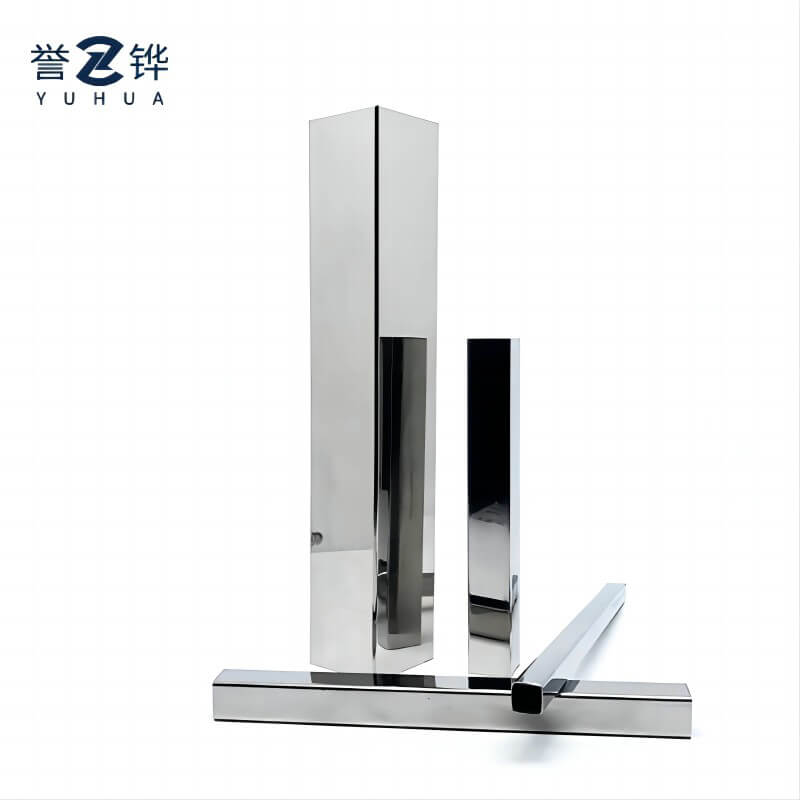
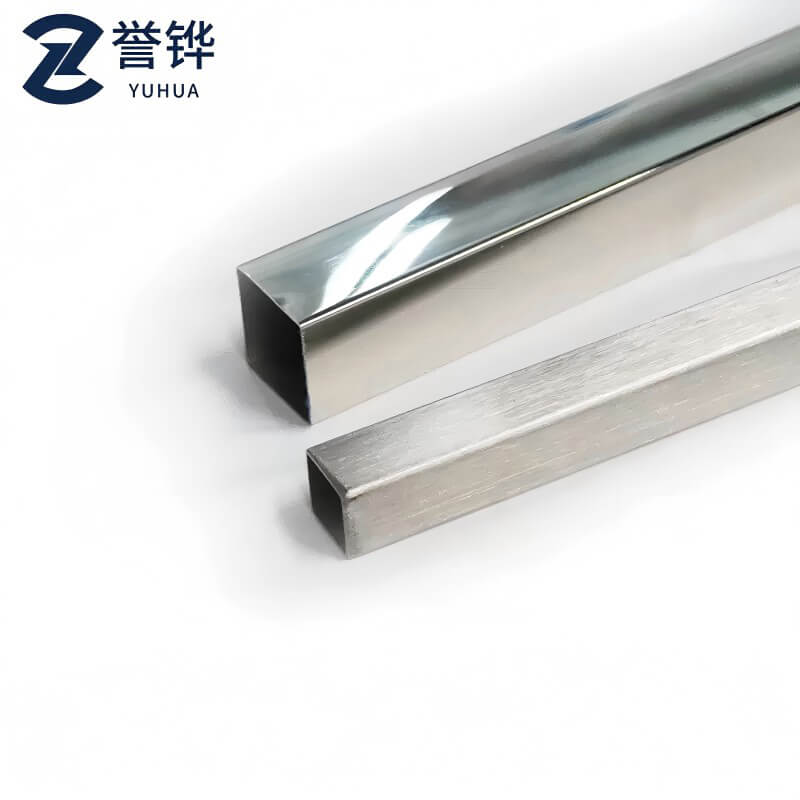
The finish on the surface matters a lot for lasting strength. Rough spots hold water and floating dirt more easily than smooth ones. If pickling does not finish well, it leaves welding scraps or heat color. These speed up corrosion. Even polishing makes things look better. It also cuts down tiny cracks where dirt builds up. YUHUA 1.5-meter 20x20mm square tubes are manufactured from grade 304 stainless steel, offering superior corrosion resistance and durability. This shows how even finishes boost both looks and long-term work. That method works just as well on 201 stainless steel faces.

Why Does Maintenance Play a Key Role in Preventing Rust of Steel?

201 stainless steel gives a decent starting shield against oxidation. But skipping care lets dirt like salt buildup or cleaner leftovers harm its protective layer bit by bit.

The Impact of Cleaning Frequency and Method

Cleaners with chlorides that are too strong speed up rust instead of stopping it. Soft washing with soaps at neutral pH keeps the oxide layer safe. It also clears plant-based dirt that pulls in water. For items like kitchen tools or pretty fittings from 201 stainless steel, clean once a week in wet areas.

Protective Coatings and Storage Conditions

Putting on anti-corrosion covers like clear sealers adds another wall against rust makers, such as salty air or factory smoke. Parts need storage in dry spots with good air flow. Keep them far from carbon-steel tools to stop the mixing of dirt. Stainless steel products are the preferred products in daily life because it has good corrosion resistance and is able to resist the erosion of many chemicals. Steady care builds on this built-in strength. It stops harm from the surroundings.

What Are the Five Common Causes of Rust on 201 stainless steel?

Spotting exact triggers lets users take aimed steps to stop corrosion on 201 stainless steel goods in building, furniture bases, or machine parts.

Chemical Composition Limitations

  1. Low nickel content limits performance in acidic or saline environments.
  2. An imbalance between manganese and chromium affects how quickly the passive film regenerates after scratches.
  3. Exposure beyond moderate humidity levels accelerates oxidation reactions.

Surface Damage During Handling

Scratches wipe away the protective layers from chromium oxide. They show the plain metal underneath. Even small scrapes can start rusting if not fixed soon. Repolish or passivate them to repair them.

Contact with Carbon Steel Tools or Dust

Cross-contamination happens when carbon-steel tools touch 201 stainless steel. Iron bits get stuck in its face. These rust on their own over time.

Harsh Environmental Exposure

Outdoor setups near oceans deal with steady chloride hits. This leads to pitting corrosion unless covered correctly. 316L Stainless Steel Round Pipes are a top choice for industries requiring exceptional corrosion resistance. Their superior chloride tolerance demonstrates how alloy selection impacts longevity under similar conditions. stainless-steel-seamless-pipes-316L

Poor Cleaning Practices

Abrasive pads scratch shiny finishes. Leftover soap bits might react with the metal face as it dries.

How Can You Prevent Rust on 201 stainless steel Effectively?

To make things last in use, from home goods to factory frames, prevention plans should center on finish quality. They also need to check routines and safety treatments.

Choosing Proper Finishing Techniques

Shiny mirror finishes cut dirt better than dull ones. They do this by lessening tiny bumps where water gathers. Electropolishing makes things even smoother up close. It suits clean tools or pretty boards in damp spots.

Implementing Regular Inspection Routines

Normal checks spot color changes early. This stops deep pits from forming. Look extra at spots near welds or edges. Water stays there longer than on flat parts.

Applying Anti-Rust Treatments and Coatings

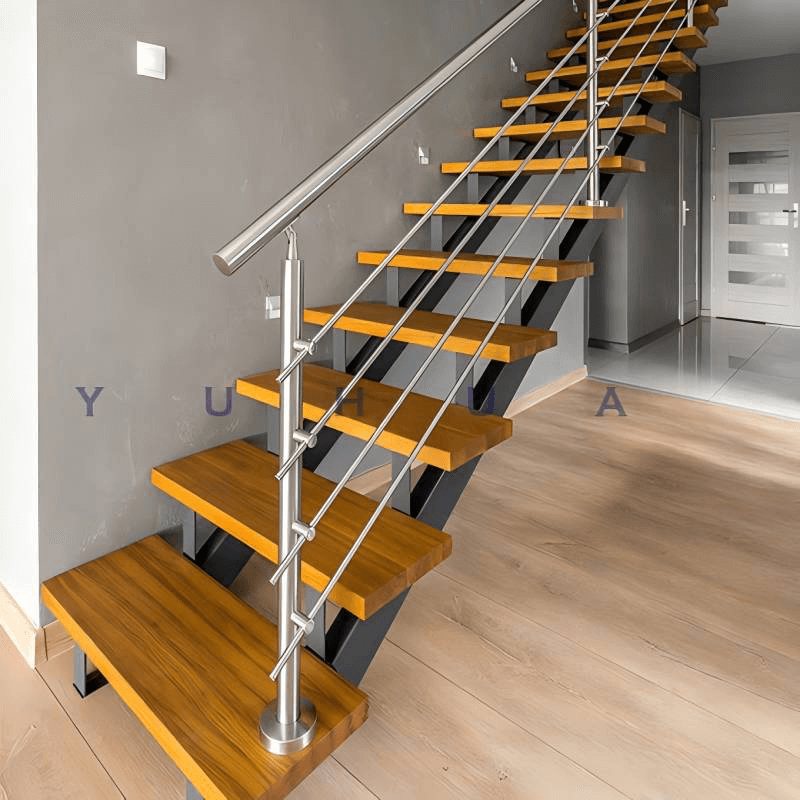
Clear sealers make unseen walls without changing how things look. Special wraps fit outdoor setups hit by rain or sea wind. This is common in shore building projects with 201 stainless steel rails or pipes.

Summary: Protecting Your 201 stainless steel Investment

Rust on 201 stainless steel comes from several reasons. These include limits in chemical makeup, contact with surroundings, dirt from making, physical harm, and poor care habits. By using good finish methods like electropolishing, keeping up cleaning times with mild mixes, storing items properly, and adding covers for wet zones, users can greatly improve lasting strength. This keeps the look intact over many years of use. AISI 3MM Stainless Steel Welded Tubes Decoiling 201 Stainless Steel Pipe To ensure long-lasting durability and maintain the appearance of 201 stainless steel, it is essential to employ effective methods for preventing rust. This is where companies like YUHUA, with their expertise in producing high-quality anti-corrosion materials, play a crucial role. Established in 2009 in Nanhai District, Foshan City, YUHUA has earned ISO 9001 and Sedex certifications. Their certified processes reflect a strong commitment to producing materials that meet global performance standards, including ASTM A554 compliance, ensuring reliable and durable results in a variety of applications.

FAQ

Q: Why does my new 201 stainless steel railing develop small rust spots shortly after installation?

A: Residual iron particles from cutting tools may remain embedded during fabrication; these oxidize quickly once exposed outdoors. Cleaning with mild acid-based passivation agents removes such contaminants effectively before final installation stages.

Q: Is polishing necessary after welding 201 stainless steel structures?

A: Yes. Welding introduces heat-tint oxides that disrupt the uniformity of the passive layer; post-weld polishing restores smoothness and reduces localized corrosion risk, especially around joints exposed to condensation.

Q: Can protective coatings improve the outdoor performance of 201 stainless steel furniture?

A: Transparent polymer-based coatings add extra defense against atmospheric chlorides without changing visual finish—ideal for balcony railings or garden fixtures near coastal regions where humidity levels remain high year-round.

Q: How often should decorative indoor panels made of 201 stainless steel be cleaned?

A: Monthly cleaning using neutral pH detergents suffices indoors unless located near kitchens where grease accumulation occurs faster; avoid abrasive sponges, which scratch polished surfaces, leading eventually to dullness or minor rust marks.

Q: What distinguishes YUHUA’s stainless steel quality for anti-corrosion performance?

A: YUHUA operates advanced production lines certified under ISO9001 standards with SGS testing compliance, ensuring consistent alloy composition control across batches—resulting in reliable anti-rust behavior even under demanding architectural conditions worldwide.  

  • 410 vs. 304 Stainless Steel: Choosing the Best Material

    Stainless steel stays a vital material in today's industry. People value it for its blend of durability, rust protection, and visual flexibility. Among various types, 410 stainless steel and 304 stainless steel rank as two of the top alloys that folks often compare. Both work well in many cases. Yet, they fit different roles based on surroundings and physical needs. For designers and producers, picking one over the other usually means favoring strength or corrosion resistance. 410 vs. 304 Stainless Steel Choosing Strength Over Corrosion Resistance

    What Are the Key Differences Between 410 and 304 Stainless Steel?

    Both 410 and 304 fall under the stainless steel group. However, their metal makeup causes them to act in varied ways under pressure and rust. Knowing these variations matters a lot when picking materials for important parts.

    Chemical Composition and Alloying Elements

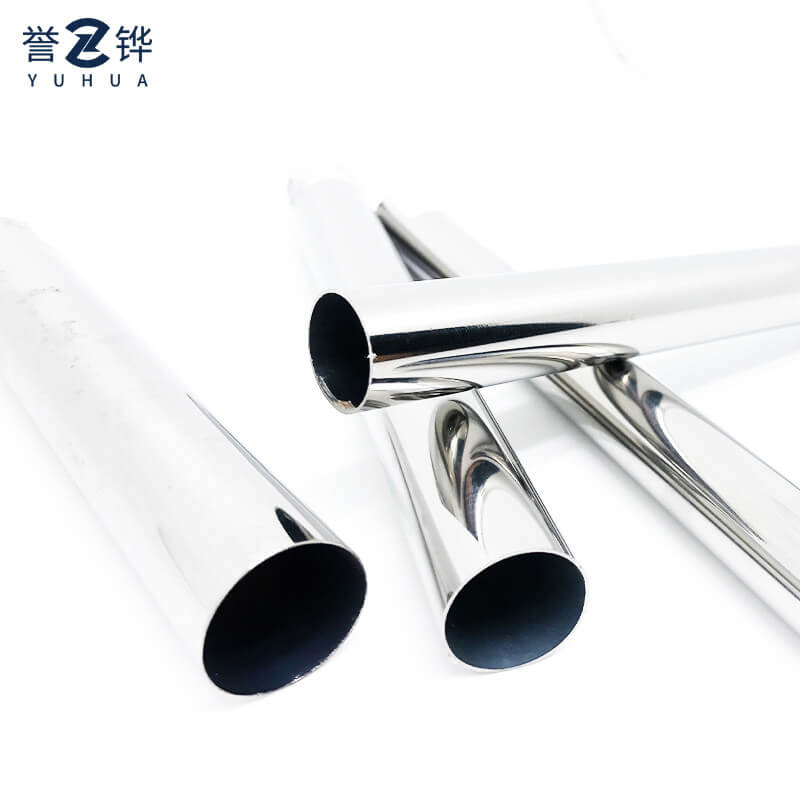
    410 stainless steel acts as a martensitic alloy. It mainly includes chromium with fairly low carbon levels. This setup lets it get tougher via heat processing. As a result, it suits pieces that need solid mechanical power. By comparison, 304 stainless steel serves as an austenitic alloy. It has greater amounts of chromium (about 18%) and nickel (roughly 8%). The nickel helps steady its form. This boosts flexibility and rust protection. But it lowers firmness when set against 410. 304 Stainless Steel Pipes rank among the most common stainless steel items. They offer great rust protection, strong build, and wide use. The rich chromium-nickel mix gives top-notch guard against oxidation in many settings.
    Property410 Stainless Steel304 Stainless Steel
    StructureMartensiticAustenitic
    Main Alloying ElementsChromiumChromium + Nickel
    HardenableYes (by heat treatment)No
    Corrosion ResistanceModerateExcellent

    Mechanical Properties Comparison

    Once heated and treated, 410 stainless steel reaches strong pulling power—frequently over 700 MPa—and better firmness. This fits it well for tough, scratch-proof jobs like rods or bolts. At the same time, 304 keeps steady bendability across heat changes.
    Material Grade304
    Tensile Strength≥ 520 MPa
    Yield Strength≥ 205 MPa
    Elongation≥ 40%
    Hardness≤ 200 HV
    These numbers show why grade 304 works fine in shaping tasks like folding or deep pulling.

    Magnetic Properties

    The pull to magnets in these alloys varies a great deal. Because of its martensitic build, 410 stainless steel draws magnets in every state. 304 stainless steel, as an austenitic type, usually stays non-magnetic. But it might gain a bit of pull after cold shaping or bending.

    How Do Corrosion Resistance Levels Compare Between 410 and 304 Stainless Steel?

    Rust performance often decides if a part lasts years or breaks down soon. The gap between these two types shows up clearly when they face water or harsh stuff.

    Resistance to Oxidation and Rust Formation

    In damp or sea-like spots, 304 stainless steel stands out. Its high chromium-nickel mix creates a firm outer oxide shield. Premium Quality 304 Stainless Steel Construction provides better rust protection and lasting build. On the flip side, 410 stainless steel handles light air rust. But it might develop rust if it stays in touch with water or salty air for long.

    Performance in Chemical Environments

    The nickel in 304 stainless steel boosts guard against acids like nitric acid and bases in factory cleaners. However, 410 fits best where chemical contact stays low. For example, it works in dry machine setups or managed factory areas.

    Maintenance Requirements for Long-Term Durability

    Both metals gain from routine wiping to stop dirt from harming their shield layers. Passivation steps can raise rust protection more. They do this by clearing loose iron from outsides. This matters especially for keeping 410 stainless steel items strong when used outside.

    In Which Applications Should You Choose 410 Stainless Steel Over 304?

    Opting for 410 stainless steel fits when physical strain matters more than surroundings. Its skill to toughen via heat work gives it an edge in spots prone to wear.

    Industrial Applications Favoring Strength and Wear Resistance

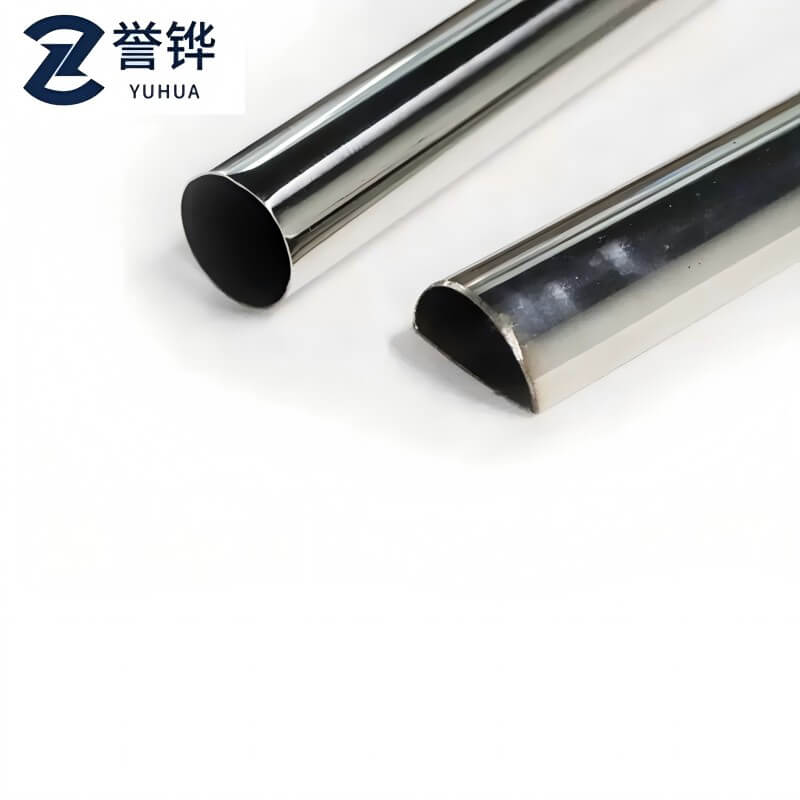
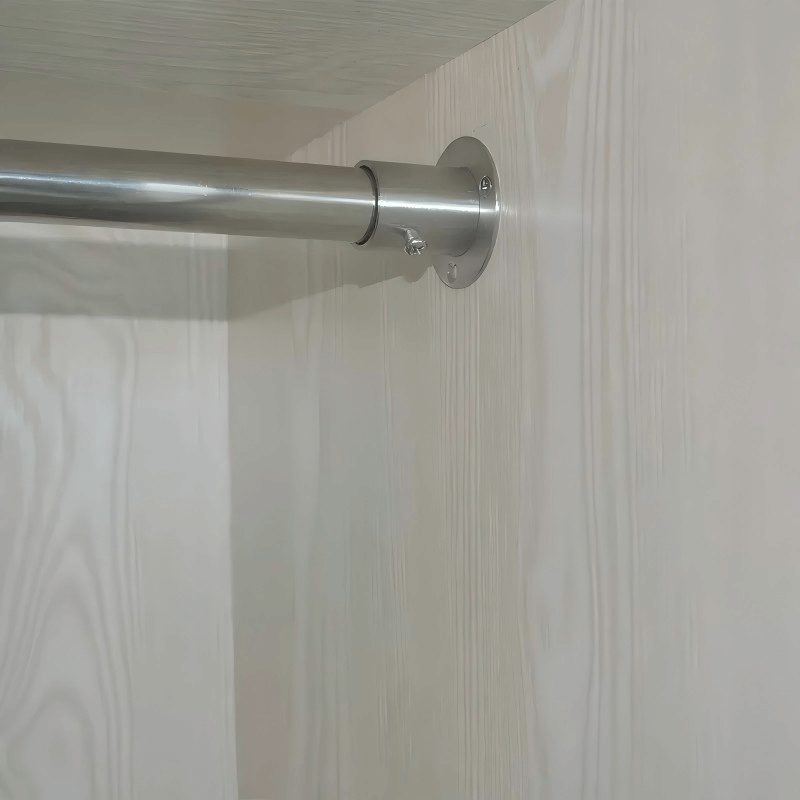
    Common spots include fan blades, pump rods, valve parts, and slicing tools. These need both grit and steady size under weight. Car makers also use this type for items like grip plates or bolts. They face shakes and rubbing forces. 3-inch-oval-stainless-steel-wardrobe-rail-pipe-410s-430-gradeYUHUA 3 Inch Oval Stainless Steel Wardrobe Rail Pipe comes from top-grade 410s/430 stainless steel. It brings great lasting power, rust guard, and a clean, fresh look. This shows how grade 410’s solid build aids both useful and pretty jobs where stiffness counts most.

    Cost Efficiency Considerations

    Since it has less nickel than austenitic types like 304, 410 stainless steel costs less per ton. And it still gives firm work in dry spots. It matches big building projects where budget control is key. But there is some fair rust risk.

    When Is 304 Stainless Steel the Better Choice?

    When clean rules or ongoing water contact lead the design needs, 304 stainless steel beats its martensitic match.

    Food Processing and Sanitary Equipment Uses

    Its even surface fights germ growth. It wipes clean with ease. So, it suits food machine gear, drink holders, kitchen tools, or clean pipe systems. It works for handling, holding, and moving food.

    Architectural and Marine Applications

    In building plans or shore builds where salt mist speeds rust on usual steels, 304 stainless steel gives sure safety. Premium Quality 304 Stainless Steel Construction offering superior corrosion resistance makes it ideal for both indoor and outdoor applications. Grab bars, rail guards, fronts, or boat parts gain much from this trait.

    Welding and Fabrication Advantages

    Builders like 304 stainless steel for tricky forms. It joins via welding without warm-up first. This differs from martensitic kinds like 410, which often need it. Its bend during shaping cuts making time. And it holds firm build even after several runs through folding tools.

    Summary

    Both 410 and 304 stainless steels fill key spots in fields from heavy building to everyday goods making. 410 stainless steel brings greater firmness and wear skill at smaller price. It suits where surroundings risk is low but physical needs are big. At the same time, 304 stainless steel leads in rust-proof jobs that need clean or nice looks. 410 SS Erw Stainless SteelYUHUA started in 2009 in Nanhai District, Foshan City. It stands as one of China’s leading stainless steel firms. We center on producing various stainless steel pipes, such as the 200, 201, 202, 300, 304L, 316L, 410, 430 and 400 series. With ISO 9001 approval and modern making lines that meet ASTM and JIS rules, YUHUA supplies tough materials fit for exact work needs. These range from fine parts to heavy setups.

    FAQ

    Q: What are the benefits of using 410 stainless steel in high-stress equipment?

    A: The chief gain comes from its power to reach high firmness after heat work. It also keeps steady form under weight. This fits it for rods or valves that run under rubbing strain. There, water touch stays low.

    Q: How does heat treatment modify the properties of 410 stainless steel?

    A: Heat work changes its inner build to martensite. This raises firmness and pulling power a lot. It also boosts wear skill. Tempering steps balance break risk with grit.

    Q: Can both 410 and 304 grades be welded effectively?

    A: Yes. But warming up may be needed when joining 410. Its martensitic side risks splits from quick cool-down. Grade 304 joins smooth without extra steps. This stems from its steady austenitic build.

    Q: Which type, 410 stainless steel or 304 stainless steel, performs better against saltwater exposure?

    A: For sea setups like piers or ship parts that face chlorides or sea spray all the time—304 stainless steel wins. Its higher nickel level gives better guard against pits.

    Q: What factors determine whether strength or corrosion resistance should take priority when choosing between 410 stainless steel and 304 stainless steel?

    A: Check work conditions with care. If parts meet steady weight loads but little dampness, pick 410. For setups open to acids or salty spots, 304 helps more. It ensures longer use with less upkeep work.  

CASE SHOW

We are committed to providing customers with reliable products through excellent quality control.

Message Board