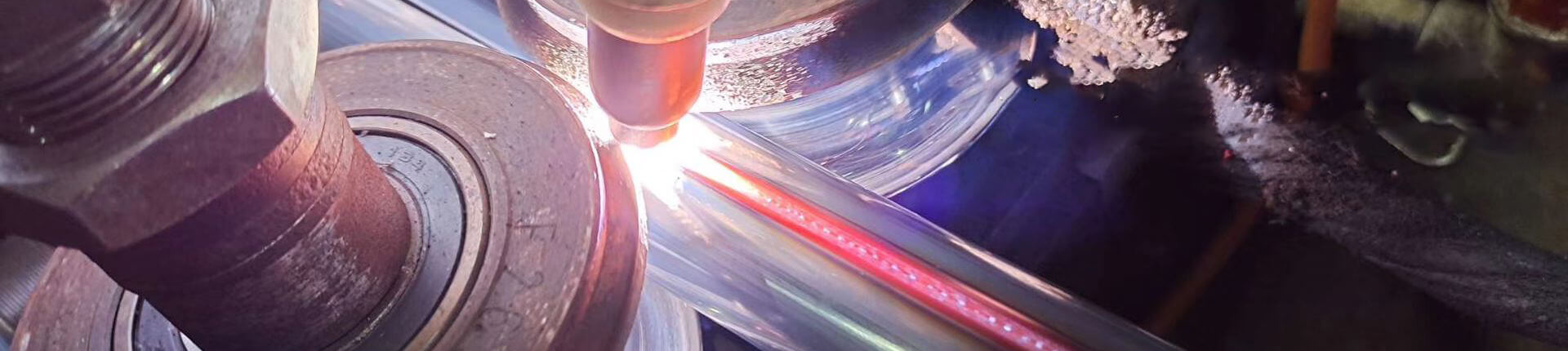


Picking suitable industrial materials forms a basic part of maintaining strong structures and smooth operations in today’s manufacturing projects. High precision positioning stainless steel rectangular pipes act as hollow long steel parts across many demanding fields. These pipes are primarily used to transport fluids like oil, natural gas, water, and steam, while also serving as essential structural components in mechanical and engineering applications. One main engineering benefit comes from the fact that the pipes weigh less than solid bars, while bending strength and torsional strength stay equal. This feature makes the pipes efficient for complex assemblies. This guide offers clear facts and selection tips for adding upgraded stainless steel rectangular tubing to heavy-duty work.

Moving from standard piping to high-precision positioning versions requires strict size control and material improvement. Precision positioning needs tight tolerances. Each section of the rectangular pipe must align exactly during automated assembly or structural work. The pipes meet exact sizes. The pipes reduce extra machining and support high output in large jobs.
The size accuracy of the products falls into tolerance classes. Engineers can select H9, H11, or H13. Custom tolerances remain available on request. This level of control helps engineers predict load capacity and fit. Common sizes include 1500mm long, 20mm wide, 10mm high, and 0.8mm thick. Another specialized configuration includes the 4*8 inch stove pipe with a 6K finish. Understanding these technical parameters helps procurement teams reach decisions that affect the stability and lifespan of engineering structures.
Finding the right material grade balances environmental resistance with mechanical strength. Rectangular pipes come mainly from strong materials such as the 304 and 310 series. Stainless steel is widely preferred in both consumer and industrial applications due to its exceptional hardness and structural strength. This structural feature gives the products good wear resistance and tensile resistance. The feature allows the products to fit various heavy-duty working environments.
To support the decision process, review the following technical specifications linked with high-grade rectangular pipes.
| Technical Feature | Standard Specification Range |
| Core Materials | 304 / 310 series stainless steel |
| Manufacturing Standards | AISI, ASTM, EN, BS, GB, DIN, JIS |
| Dimensional Tolerance | H9 / H11 / H13, or as per requirement |
| Surface Finishes | Bright, pickling, polishing, annealing, etc. |
| Quality Inspection | ISO, BV, SGS, MTC |
Exhibiting excellent corrosion resistance, these pipes can withstand exposure to various harsh chemicals, making them ideal for corrosive environments. Additionally, their clean metallic luster makes them highly suitable for architectural and decorative applications.
Keeping material quality steady requires clear proof through international testing and certification. YUHUA has earned ISO 9001 and Sedex certifications. We hold 10 patents and ranks as a national high-tech enterprise. We track product quality and market shifts. This approach helps us supply customers with high-quality items at fair prices, ensuring every pipe meets the needed strength and chemical resistance for advanced engineering projects.
The versatility of technologically upgraded stainless steel rectangular tubing allows the tubing to fit diverse and demanding sectors. The hollow long steel form stays lighter in weight while bending strength and torsional strength remain steady. The form also proves essential for high-stress applications. Beyond standard industrial pipelines and architectural supports, this exact type of high-strength material sees common use in the production of various conventional weapons, gun barrels, and artillery shells. The material shows a strong capacity to handle extreme operational pressures.
When building automated conveyor systems, engineers need materials that remove alignment errors. Rectangular pipes with H9 diameter tolerance and a surface treatment such as pickling or annealing speed up the assembly work. The stainless steel surface stays smooth and clean. The surface does not hold dust or dirt easily and cleans quickly over time. This result leads to long service life with solid corrosion and wear resistance.
To put these materials to work in the next project, follow these steps:

Securing high-precision components requires checking how well the supplier protects the materials during shipping. Robust packaging is crucial to preserving tight dimensional tolerances and pristine surface finishes during transit and prior to installation. Standard packing methods call for waterproof paper and steel strip wrapping. This method forms a normal export seaworthy package that suits many transport types, or the package can be adjusted as needed. Before shipping, careful checks by groups such as ISO, BV, SGS, and MTC give a final round of quality confirmation.
A successful procurement plan depends on the support the maker gives after the sale. YUHUA makes many kinds of stainless steel pipes and covers the 200, 201, 202, 300, 304, 304L, 316L, 410, 430, and 400 series. Along with production, YUHUA supplies useful technical help, and reliable after-sales service. The mix of steady values and new ideas makes the company stand out, which explains why firms around the world choose YUHUA for complex industrial sourcing needs.
A: The pipes earn preference because they possess high hardness and high strength. These qualities give the pipes excellent wear resistance and tensile resistance suitable for heavy-duty working environments. Furthermore, when bending strength and torsional strength equal those of solid alternatives, the hollow structure makes the pipes lighter in weight. This advantage proves highly useful for engineering structures.
A: Different surfaces such as bright, pickling, polishing, and annealing let the material fit both practical and visual needs. A well-finished stainless steel surface stays smooth and clean. The surface does not pick up dust or dirt easily and cleans with little effort. These treatments also keep the natural metallic shine, which suits decoration uses.
A: Custom sizes can be ordered to meet exact positioning needs. Standard sizes often include a length of 1500mm, a width of 20mm, a height of 10mm, and a thickness of 0.8mm. Special forms like the 4*8 inch stove pipe with a 6K finish also see use in various industry setups.
A: To ensure maximum reliability, the materials go through rigorous inspection processes involving international standards such as ISO, BV, SGS, and MTC. After inspection, the materials receive secure packaging with waterproof paper and steel strips. This step creates a standard export seaworthy package and keeps the materials protected during all kinds of transport.
 Address: Muyuan Industrial Zone, Shishan Town, Nanhai District, Foshan City, Guangdong Province
 Call us now:+86 13751499396
 Email:546980277@qq.com


Foshan Nanhai Yuhua Hardware Products Co., Ltd.佛山市南海誉华五金制品有限公司