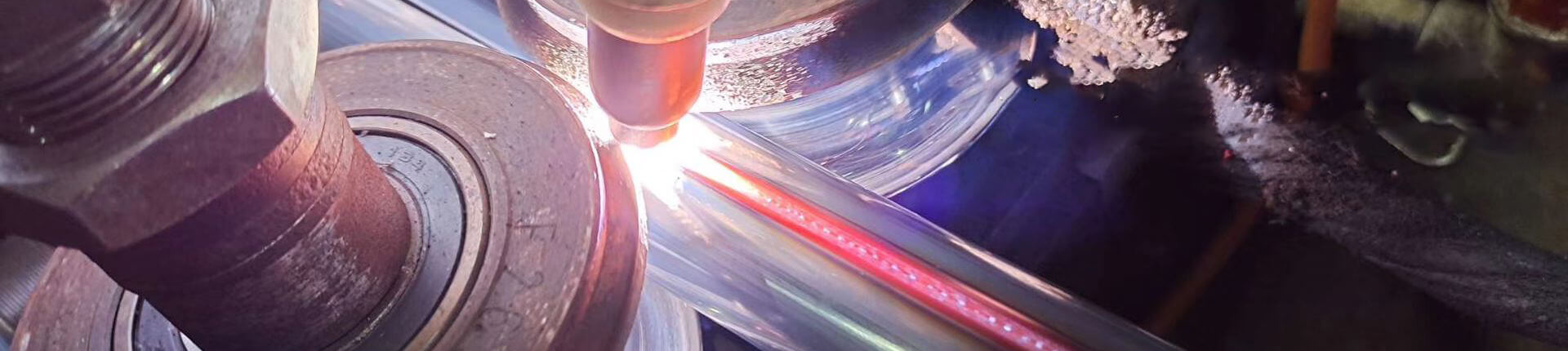


Stainless steel stays a vital material in today’s industry. People value it for its blend of durability, rust protection, and visual flexibility. Among various types, 410 stainless steel and 304 stainless steel rank as two of the top alloys that folks often compare. Both work well in many cases. Yet, they fit different roles based on surroundings and physical needs. For designers and producers, picking one over the other usually means favoring strength or corrosion resistance.
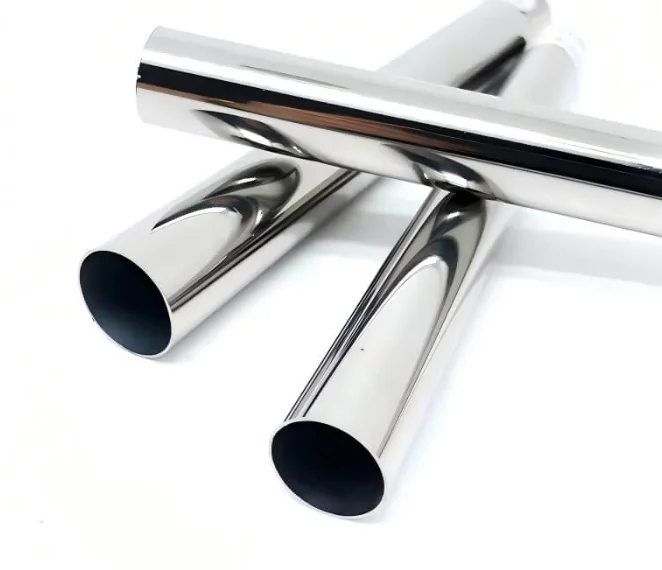
Both 410 and 304 fall under the stainless steel group. However, their metal makeup causes them to act in varied ways under pressure and rust. Knowing these variations matters a lot when picking materials for important parts.
410 stainless steel acts as a martensitic alloy. It mainly includes chromium with fairly low carbon levels. This setup lets it get tougher via heat processing. As a result, it suits pieces that need solid mechanical power. By comparison, 304 stainless steel serves as an austenitic alloy. It has greater amounts of chromium (about 18%) and nickel (roughly 8%). The nickel helps steady its form. This boosts flexibility and rust protection. But it lowers firmness when set against 410.
304 Stainless Steel Pipes rank among the most common stainless steel items. They offer great rust protection, strong build, and wide use. The rich chromium-nickel mix gives top-notch guard against oxidation in many settings.
| Property | 410 Stainless Steel | 304 Stainless Steel |
| Structure | Martensitic | Austenitic |
| Main Alloying Elements | Chromium | Chromium + Nickel |
| Hardenable | Yes (by heat treatment) | No |
| Corrosion Resistance | Moderate | Excellent |
Once heated and treated, 410 stainless steel reaches strong pulling power—frequently over 700 MPa—and better firmness. This fits it well for tough, scratch-proof jobs like rods or bolts. At the same time, 304 keeps steady bendability across heat changes.
| Material Grade | 304 |
| Tensile Strength | ≥ 520 MPa |
| Yield Strength | ≥ 205 MPa |
| Elongation | ≥ 40% |
| Hardness | ≤ 200 HV |
These numbers show why grade 304 works fine in shaping tasks like folding or deep pulling.
The pull to magnets in these alloys varies a great deal. Because of its martensitic build, 410 stainless steel draws magnets in every state. 304 stainless steel, as an austenitic type, usually stays non-magnetic. But it might gain a bit of pull after cold shaping or bending.
Rust performance often decides if a part lasts years or breaks down soon. The gap between these two types shows up clearly when they face water or harsh stuff.
In damp or sea-like spots, 304 stainless steel stands out. Its high chromium-nickel mix creates a firm outer oxide shield. Premium Quality 304 Stainless Steel Construction provides better rust protection and lasting build. On the flip side, 410 stainless steel handles light air rust. But it might develop rust if it stays in touch with water or salty air for long.
The nickel in 304 stainless steel boosts guard against acids like nitric acid and bases in factory cleaners. However, 410 fits best where chemical contact stays low. For example, it works in dry machine setups or managed factory areas.
Both metals gain from routine wiping to stop dirt from harming their shield layers. Passivation steps can raise rust protection more. They do this by clearing loose iron from outsides. This matters especially for keeping 410 stainless steel items strong when used outside.
Opting for 410 stainless steel fits when physical strain matters more than surroundings. Its skill to toughen via heat work gives it an edge in spots prone to wear.
Common spots include fan blades, pump rods, valve parts, and slicing tools. These need both grit and steady size under weight. Car makers also use this type for items like grip plates or bolts. They face shakes and rubbing forces.
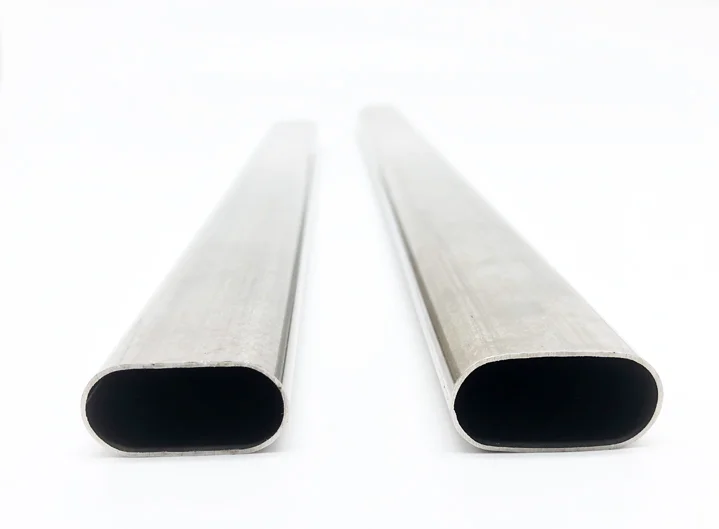
YUHUA 3 Inch Oval Stainless Steel Wardrobe Rail Pipe comes from top-grade 410s/430 stainless steel. It brings great lasting power, rust guard, and a clean, fresh look. This shows how grade 410’s solid build aids both useful and pretty jobs where stiffness counts most.
Since it has less nickel than austenitic types like 304, 410 stainless steel costs less per ton. And it still gives firm work in dry spots. It matches big building projects where budget control is key. But there is some fair rust risk.
When clean rules or ongoing water contact lead the design needs, 304 stainless steel beats its martensitic match.
Its even surface fights germ growth. It wipes clean with ease. So, it suits food machine gear, drink holders, kitchen tools, or clean pipe systems. It works for handling, holding, and moving food.
In building plans or shore builds where salt mist speeds rust on usual steels, 304 stainless steel gives sure safety. Premium Quality 304 Stainless Steel Construction offering superior corrosion resistance makes it ideal for both indoor and outdoor applications. Grab bars, rail guards, fronts, or boat parts gain much from this trait.
Builders like 304 stainless steel for tricky forms. It joins via welding without warm-up first. This differs from martensitic kinds like 410, which often need it. Its bend during shaping cuts making time. And it holds firm build even after several runs through folding tools.
Both 410 and 304 stainless steels fill key spots in fields from heavy building to everyday goods making. 410 stainless steel brings greater firmness and wear skill at smaller price. It suits where surroundings risk is low but physical needs are big. At the same time, 304 stainless steel leads in rust-proof jobs that need clean or nice looks.
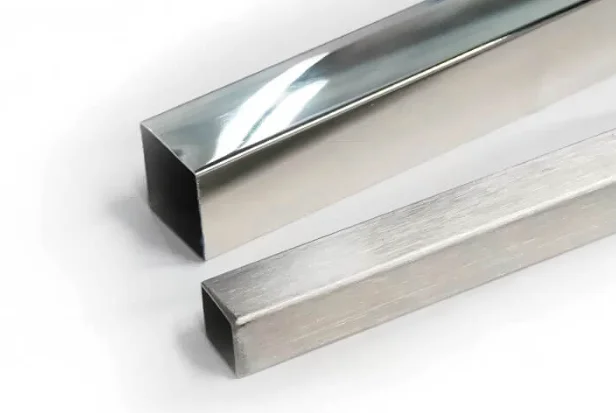
YUHUA started in 2009 in Nanhai District, Foshan City. It stands as one of China’s leading stainless steel firms. We center on producing various stainless steel pipes, such as the 200, 201, 202, 300, 304L, 316L, 410, 430 and 400 series. With ISO 9001 approval and modern making lines that meet ASTM and JIS rules, YUHUA supplies tough materials fit for exact work needs. These range from fine parts to heavy setups.
A: The chief gain comes from its power to reach high firmness after heat work. It also keeps steady form under weight. This fits it for rods or valves that run under rubbing strain. There, water touch stays low.
A: Heat work changes its inner build to martensite. This raises firmness and pulling power a lot. It also boosts wear skill. Tempering steps balance break risk with grit.
A: Yes. But warming up may be needed when joining 410. Its martensitic side risks splits from quick cool-down. Grade 304 joins smooth without extra steps. This stems from its steady austenitic build.
A: For sea setups like piers or ship parts that face chlorides or sea spray all the time—304 stainless steel wins. Its higher nickel level gives better guard against pits.
A: Check work conditions with care. If parts meet steady weight loads but little dampness, pick 410. For setups open to acids or salty spots, 304 helps more. It ensures longer use with less upkeep work.
 Address: Muyuan Industrial Zone, Shishan Town, Nanhai District, Foshan City, Guangdong Province
 Call us now:+86 13751499396
 Email:546980277@qq.com


Foshan Nanhai Yuhua Hardware Products Co., Ltd.佛山市南海誉华五金制品有限公司