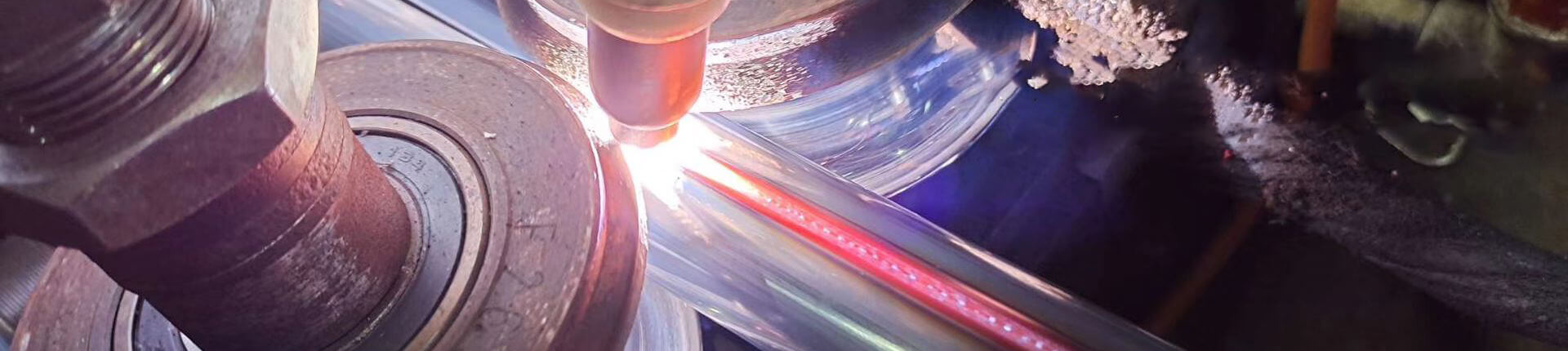


Years go by, yet stainless steel railings hold up without losing appeal or structural strength. This happens because they resist rust and external forces so well. Resistance to corrosion stays strong in stainless steel. This stuff resists harm caused by many kinds of chemical exposures. Because of that trait, builders use it where conditions are rough. So it works well outdoors just like it does inside structures. Its strength makes it suitable regardless of location.
Still, stainless steel offers strong mechanical strength. It has tough hardness along with steady power. Because of these features, it gives good protection against wear plus strong pulling ability. It holds up pretty good even in harsh workplaces. Shiny metal construction lines up with today’s design trends. That mix makes it both functional and visually strong.
A factor adding to its recognition lies in its minimal upkeep needs. Wood or coated metal aside, stainless steel bypasses recurring repainting plus protective coatings. Because of that, upkeep costs drop over time.
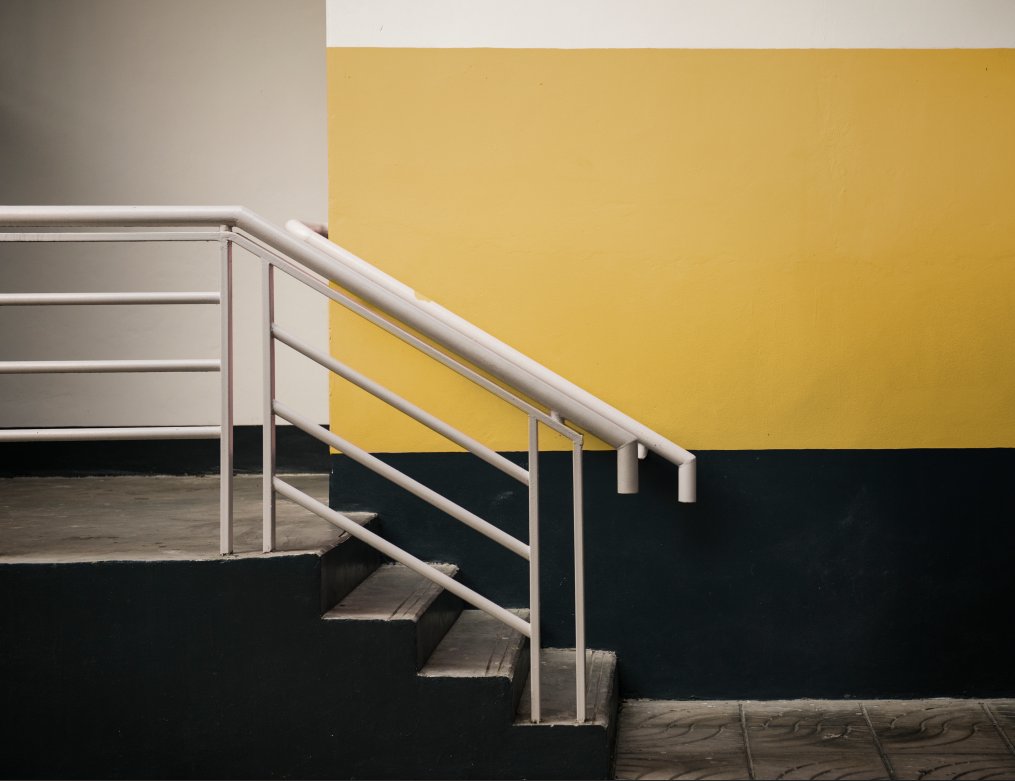
When it comes to how long stainless steel railings last, outside influences play a major role. By the coast, salty air lingers in the atmosphere, depositing chloride residues on surfaces. Left unchecked, such spots could develop tiny cracks – especially where regular cleaning falls short. Just like that, dirty or acidic city rain picks apart the upper layer faster. What happens is the protective chromium oxide shield loses strength. That weakening plays the biggest role here.
Stainless steel keeps its strength even when exposed to UV light. Though rare, direct exposure might dull its brightness a little over months. Sunlight and cleaning chemicals spread evenly across surfaces. But fumes near shelves rarely touch the material straight. Out in the hustle of a factory area, quick cleaning matters most. Slowing rust takes proper care right away. Lasting results tie directly to small routine choices made early on.
Using harsh methods to clean stainless steel railings makes damage worse over time. Rust shows up faster when done that way. Steel wool, especially the rough kind, tends to leave scratches near the edge. Dirt seeps deeper into the material because of those tiny marks. Bleach or chloride cleaners hold real power, and they strip away the oxide shield that keeps metal safe. Without that layer, rust finds its way in.
Water might stick to leftover cleaning supplies. Dirt often follows. That kind of mess creates dark streaks or red blots. When wiping stays uneven, gunk accumulates without notice. So it reduces how well stainless steel sticks together through its own chromium oxide layer.
To keep things clean day by day, choose gentle cloths or soft sponges. Use warm water along with a mild detergent. Make sure to rinse thoroughly so residue doesn’t remain. Leftover soap can attract dust and grime. This protects the railing’s shiny surface at the same time.
When spots appear like just tiny red streaks or shifts in hue, try rubbing them gently with baking soda mixed into water. Dealing instead with stubborn tea stains or heavy grime, reach instead for cleaners designed only for stainless steel surfaces.
Skip any tools with scratches like wire brushes or harsh scrubbers, because they damage the outer coating. Bleach and chlorides are out too. They eat away at the shield meant to stop rust. Protection drops when those harsh substances get involved.
When you clean depends on what the area around you is like. Outside messes need different schedules based on weather, dirt, or foot traffic.
Indoor railings: Clean every 2–3 months depending on usage levels.
Outdoor railings: Clean monthly in coastal or polluted areas to prevent salt or chemical buildup that could lead to corrosion.
Keeping an eye on how things are going, it becomes easier to tell whether extra cleaning is really called for.
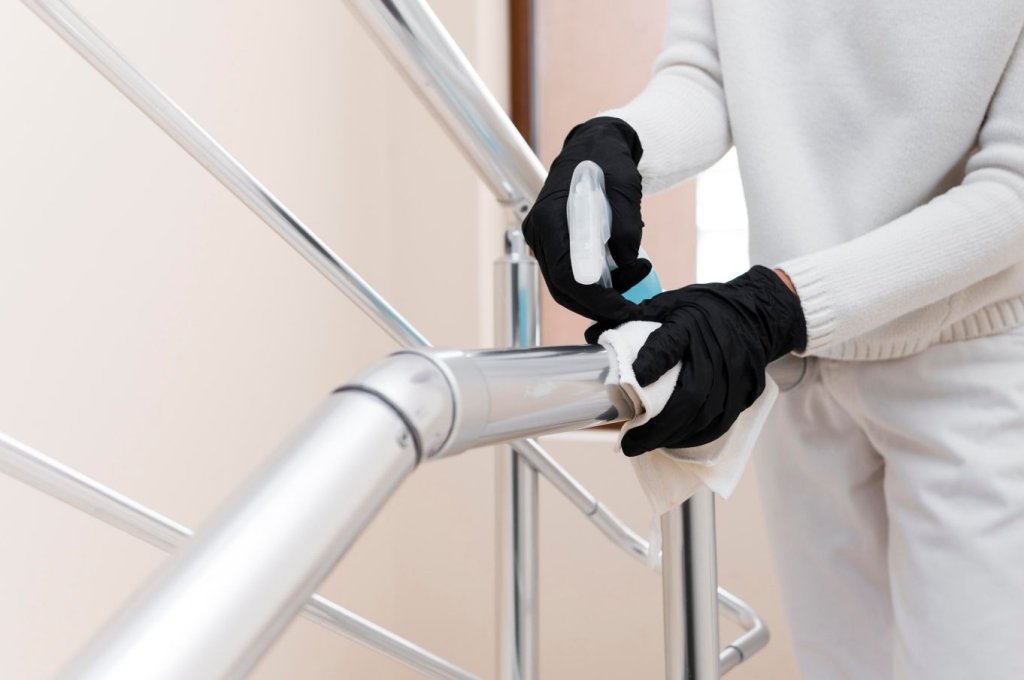
Finger marks, smudges, or shifts in color show dirt has built up – time to wipe it down. Piled material hiding where joints meet usually signals trouble before long. Rust tends to strike those cluttered spots first. Flicker of red or tiny gaps shows up. Then jump into tougher cleaning fast.
Even though rain might wash away some dust on top, it won’t remove oils, salts, or tiny air pollutants well at all. In truth, rainwater often brings along mineral traces. Those might stick around, causing discolorations unless cleaned thoroughly afterward.
Shiny surfaces come from polishing stainless steel. Still, dirt underneath can cause rust later on. Cleaning every now and then keeps things running smoothly over years. Without those routine rinses, even shine fades fast.
Back in 2009, YUHUA took root inside Nanhai District of Foshan City – part of China’s leading stainless steel sector. Railing systems rely heavily on what comes from our workshops: top-tier stainless steel tubes and pipes. You will find both 304 and 316L versions among our offerings. The metals celebrated for how well they resist corrosion while handling stress.
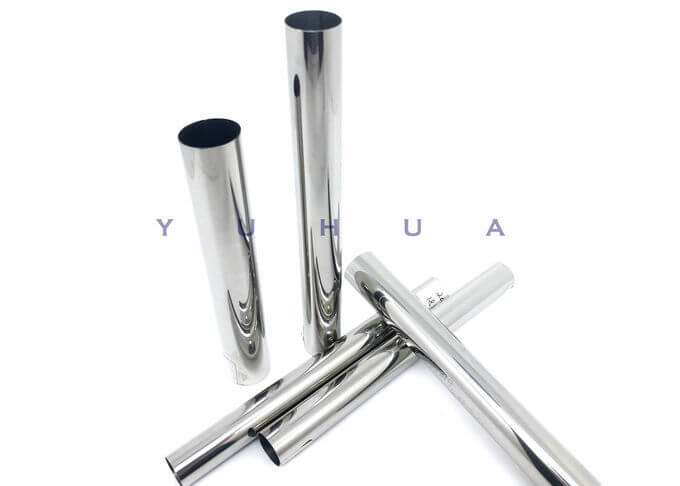
Built for long-lasting performance, Stainless Steel Pipe resist corrosion well under different conditions. Due to its high chromium-nickel mix, the material handles diverse settings without issues. That’s why they work just as well inside or out. Their performance stays strong, no matter the setting.
Heat treatment shapes our pipes, building stronger inner structures. Smooth outer layers make them ready for building elements such as railings and guard walls. Tubes go through careful heating treatments that do several things.They boost protection against corrosion, strengthen material quality, create an even flat finish, help with joining or working tasks, allow high-shine polishing when needed.
With each product, you get clear steps on how to care for it properly. Because of this, people know exactly what to do to keep their stainless steel railings working well. When it comes time to clean or fix things, the layout of our system makes it straightforward – no obstacles getting in the way.
When people pick YUHUA items like 304 Stainless Steel Pipe, 316L Stainless Steel Round Pipes or Sus304/Sus304L Stainless Steel Square Pipe, they get high-quality stuff along with regular help. That assistance keeps the product working longer if handled right.
A: Although stainless steel resists corrosion, it still might develop rust when touched by salt-filled air, harsh factory solvents, or wrong wash methods. To keep it stable, sweep away grime with mild soap free of chlorine, then wipe fully once done.
A: Sure, a mix of water and white vinegar might help take off those pesky smudges and slight discolorations – just make sure to wipe it clean afterward so stuff doesn’t stick right back.
A: Lasting years is normal when upkeep happens regularly, especially for pieces crafted by YUHUA, since their build withstands time well. Structure stays firm, looks remain unspoiled, one decade after another.
 Address: Muyuan Industrial Zone, Shishan Town, Nanhai District, Foshan City, Guangdong Province
 Call us now:+86 13751499396
 Email:546980277@qq.com


Foshan Nanhai Yuhua Hardware Products Co., Ltd.佛山市南海誉华五金制品有限公司