

High-precision positioning SS square pipe serves a vital function in engineering, automation, and construction, where exact dimensions shape outcomes. Engineers value these parts for steady sizes and smooth finishes that support precise alignment. Manufacturers design high-precision positioning SS square pipe for sectors where minor variations impact mechanical strength or fitting dependability.
Engineers must understand what sets these pipes apart from standard stainless steel tubes before examining tolerances and guidelines. High precision positioning SS square pipe focuses on careful production and uniform materials, beyond mere form.

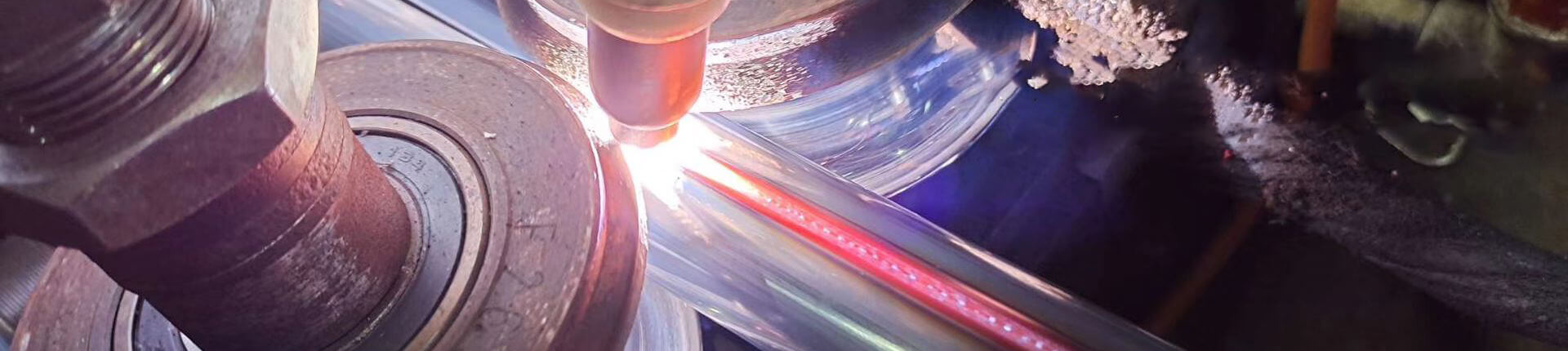
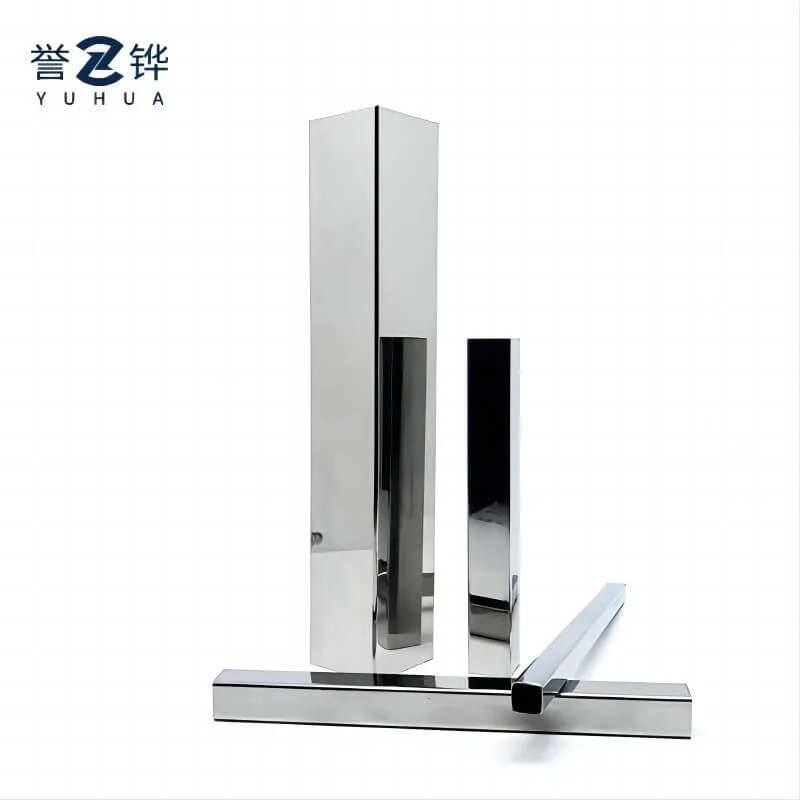
Producers create these pipes with firm geometric oversight to secure correct positioning in setups. Cold-drawing or seamless shaping methods reduce size errors during production. YUHUA 1.5-meter 20×20 mm square tubes use grade 304 stainless steel, which provides strong resistance to rust and long-lasting strength. Production maintains even wall depth, even inner surfaces, and small corner curve differences. Straightness holds at ≤1.5 mm/m, and corner radius stays within ≤2 mm. These features suit robotic or building uses that need solid support.
Choices in materials shape the pipe’s ability to resist rust, hold strength, and allow shaping. Popular options include SS304, SS316, and SS316L. 304 Stainless Steel Pipes rank among the most common stainless steel items, recognized for solid rust resistance, great strength, and flexibility. Grade 316L delivers better protection against salts and acidic settings because of its low carbon level, so it fits ocean or chemical fields. The metal mix supports easy joining and cutting while keeping its form under pressure.
Size allowances set the range of changes allowed without harming function. Factories apply global rules to manage outer sizes, wall depth evenness, straightness, and right angles in high precision positioning SS square pipe making.
Factories adhere to guidelines such as ASTM A554 or DIN EN 10219 to oversee outer sizes, wall depth consistency, straightness, and squareness. Pipes meet ASTM A554 and EN 10296-2 fully, and eddy current checks confirm weld strength. For instance:
| Parameter | Typical Value | Standard Reference |
| Outer Dimension | ±0.13 mm | ASTM A554 |
| Wall Thickness | ±10% | EN 10219 |
| Straightness | ≤1.5 mm/m | Factory Spec |
These close limits allow easy fitting into automated setups where steady precision counts.
Surface condition influences looks and mechanical work. Polishing degrees range from #180 grit satin to mirror level based on the job. Pipes receive careful annealing, which boosts rust resistance, strengthens form, creates a smooth, even surface, and aids welding and building. Surface roughness (Ra) near 0.8 μm marks the standard for annealed surfaces in robotics or cleanroom areas.
Technical details show how well the pipe handles force or outside conditions over periods.
Mechanical traits rely on the metal mix and forming approach. Tensile Strength reaches ≥520 MPa; Yield Strength hits ≥205 MPa; Elongation achieves ≥40%; Hardness stays ≤200 HV. These numbers reflect the mix of stiffness and bendability needed for weight-supporting frames or moving systems.
High precision positioning SS square pipes offer various sizes, from tiny 10×10 mm shapes in electronic frames to big 200×200 mm builds for building fronts. Wall depth spans 0.8–6 mm according to needs. Length measures 1.5 meters (custom lengths possible). Tailored cutting or building services fit special machine plans or flexible building parts.
Exact sizes and rust resistance make these pipes useful in many fields that require careful joining.
Automation setups need firm but light frames that keep position during repeated moves. Robotic arms or conveyor lines face issues from small bends, so high precision positioning SS square pipe delivers steady work without shakes. Rust resistance aids use in damp spots like food plants or cleanrooms focused on cleanliness.
Designers in buildings appreciate these pipes for power and style. Polished surfaces improve modern fronts or inner frames while holding shape over wide areas. Key uses cover furniture making, such as modern frames and table supports; building roles like rails and barriers; factory roles including machine covers. Modular building jobs gain from ready-made parts that join smoothly during setup.
Approval secures steady quality in batches, vital for close-tolerance parts in automation or key safety builds.
Quality checks include sound wave tests for inner defects, size reviews at various steps, and surface scans to match Ra limits. Mill test certificates exist; tight size control applies; surface checks occur for each item. ISO 9001 approval ensures tracking through making, which cuts the chances of bending or poor fits in joining tasks.
YUHUA has built a strong name since 2009 as one of China’s top stainless steel makers focused on advanced metal shapes for global industrial needs. YUHUA started in 2009 in Nanhai District, Foshan City. The company specializes in various stainless steel pipes like the 200, 201, 202, 300, 304L, and 316L series. YUHUA holds ISO 9001 certifications. An all-in-one factory with current cold-forming tools and a trained engineering group ensures steady quality, plus technical help and quick after-sales care.
High precision positioning SS square pipe combines strong mechanics with fine size control, key traits for automation setups, building frames, robotics bases, and factory tools needing exact join limits. Performance steadiness stems from approved materials like SS304/316L paired with strict ASTM tests. With long experience in stainless steel forming tech, YUHUA keeps offering dependable answers that match worldwide engineering needs, while combining cost savings with skill.
A: Review material type (e.g., 304 vs 316L), needed allowance per ASTM A554 guideline, planned load handling, outside factors such as dampness or chemical contact, and chosen surface level before buying.
A: Exact shape cuts position errors in moving parts like robotic links or straight movers; even surfaces reduce rub damage in ongoing work rounds, boosting dependability as time passes.
A: Yes—We provide tailored shapes up to 200×200 mm with chosen wall depths from 0.8–6 mm plus optional polish levels from dull satin to mirror based on the job.
A: Regular cleaning with mild cleaners stops rust layers; routine checks spot bends soon, securing ongoing position accuracy under active pressures.
 Address: Muyuan Industrial Zone, Shishan Town, Nanhai District, Foshan City, Guangdong Province
 Call us now:+86 13751499396
 Email:546980277@qq.com


Foshan Nanhai Yuhua Hardware Products Co., Ltd.佛山市南海誉华五金制品有限公司