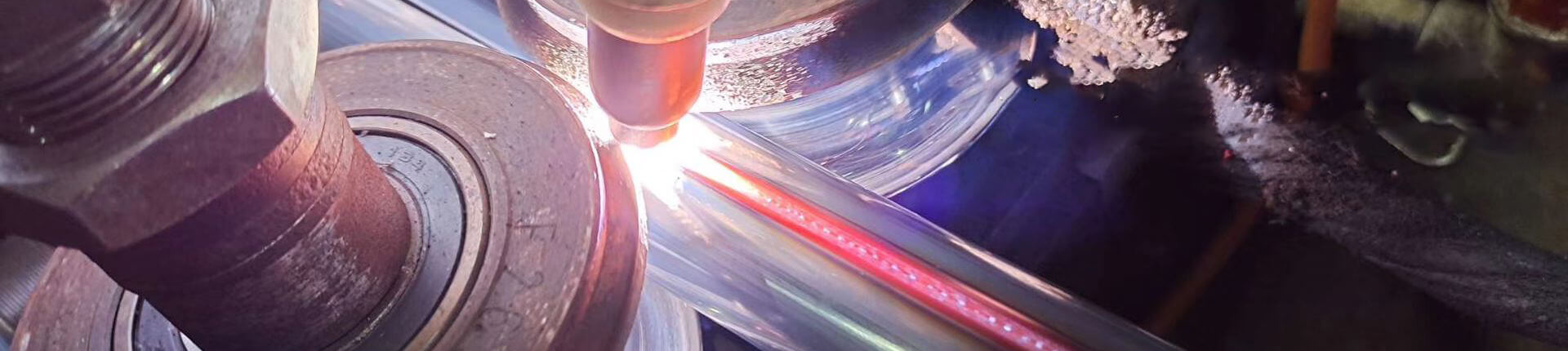


Putting together thin wall stainless steel tubing creates special hassles due to its shape and metal properties. Strong heat during the process can really change how chromium spreads near the joint. This spread is important for battling corrosion. When chromium gets low, the steel turns open to rust and decay.
Argon arc joining of thin-walled stainless steel pipes mostly counts on spot joining and basic sizes. This way is key. Too much heat might cause color shifts and oxide coats on the joint face. Both troubles weaken the guarding chromium oxide layer that protects the stainless steel.
Another big hassle is sensitization. Certain sorts of stainless steel, such as 304 or 304L, face heat from 450°C to 850°C while joining. At these temps, chromium carbide might pile up along grain edges. The pile takes chromium from nearby spots. As a result, it raises the odds of corrosion between grains.
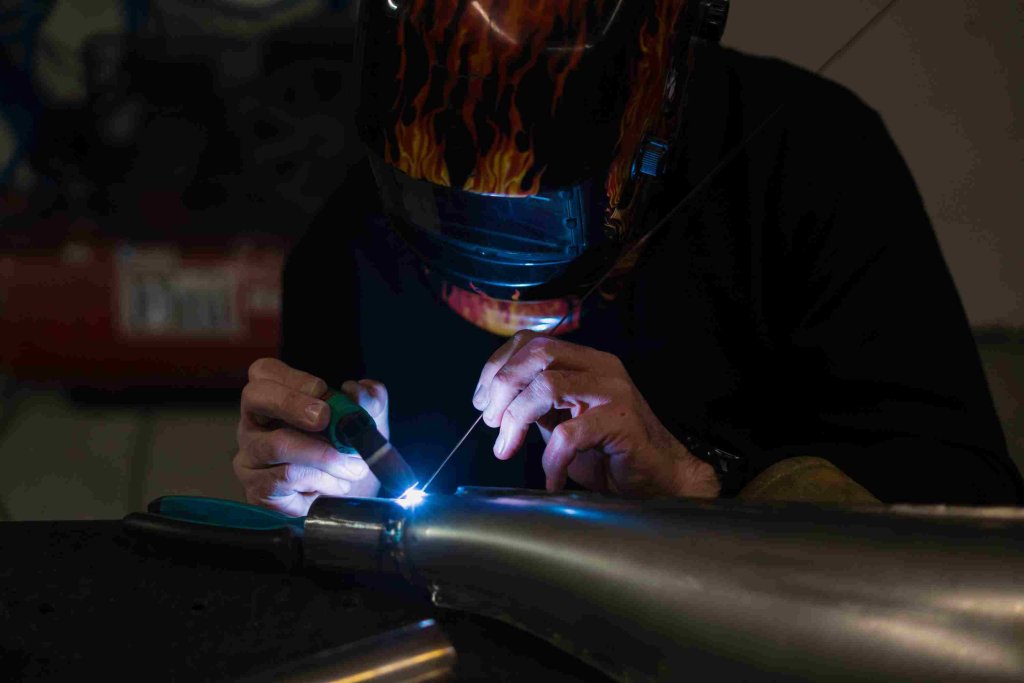
The heat-affected zone (HAZ) serves as a slim spot next to the weld. It goes through structure changes from heat touch. In thin wall tubing, the HAZ might take a large chunk of the tube wall. This makes any bad outcomes bigger.
A main worry is chromium carbide pile. When it happens at grain edges, it causes spot chromium loss and hurts corrosion shield. Plus, weak gas cover can bring rust and scaling in this weak area. That speeds the breakdown more.
Thin wall tubing has just a small depth of material. So, even tiny flaws or corrosion in the HAZ can sharply cut strength and work over time.
To make sure of firm structure and corrosion shield, certain ways are needed when joining thin wall stainless steel tubing.
The joining setup works this way. The link between one thin tube and another might use curling (flanging). It could involve argon arc self-melt or right wire linking. The best suggested method is TIG (GTAW) welding. This comes from its accuracy and handling at low power spots. TIG welding lets short arc distances and little heat. Both count vital to stop bending and burn-through.
You also need to pick filler metals that fit the base metal in makeup. For instance, ER308L often pairs with 304 stainless steel. Its low carbon amount helps cut carbide pile during welding.
Exact handling of welding settings counts very important.
Keeping a short arc length cuts air pollution and lowers heat twist. Using clean argon—or a mix of argon and helium—makes sure of a neat weld without oxides.
You must manage travel speed. This avoids too much HAZ growth and stops burn-through. It matters most in tubing with wall depths under 1mm.
Surface prep forms the base for getting a weld that resists corrosion. Things like oil, grime, or leftover chemicals can start pitting or gap corrosion after the weld. Cleaning by hand, such as wire brushing or grit blasting, works well to clear surface oxides.
Chemical ways like pickling use acids to break heat colors and oxides made during welding. After that, passivation steps—usually with nitric or citric acid—bring back the shielding chromium oxide layer. This layer is key for stainless steel’s corrosion fight.
Incomplete penetration happens when the weld fails to go through the whole wall depth. It makes hidden cracks. These cracks hold water. Corrosive stuff can gather there and start local corrosion.
Porosity comes from bad gas shielding or dirt. It adds small holes to the weld material. These holes weaken the structure’s solidity. They also let corrosive things get in.
Undercutting takes away material from the base metal near the weld edge. This thins the wall and cuts structural work. It also raises exposed surface area. That makes it easier for the setting to attack.
Undercuts are usually narrow and set back. Cleaning them well is tough. This boosts their chance of starting corrosion. It shows up more in hard settings like chemical or sea uses.
Mechanical Cleaning Techniques: Wire brushing or abrasive blasting clears surface oxides and color changes. These methods suit early cleaning steps before chemical work.
Chemical Cleaning Techniques: Pickling pastes break down heat tint and renew passive layers on stainless steel surfaces. This step makes sure to remove chromium-weak layers formed during welding.
Passivation Processes: Nitric acid or citric acid treatments strengthen the natural guard film of stainless steel. These steps help rebuild an even passive layer that protects from future corrosion.
We at YUHUA focus on making good thin wall stainless steel tubing set for strong joinability and corrosion fight. Our 304 stainless steel pipes offer top corrosion resistance and lasting. With steady wall thicknesses and tight size limits, our tubing fits ideal for key uses such as tool systems, fluid lines and building parts.
The tubes go through a precise annealing process that boosts corrosion resistance, betters structural hold, gives a uniform surface, eases better welding and allows top polishing if needed.
Our pledge to quality begins before delivery. YUHUA tubing goes through strict quality checks, including surface finish looks and cleanliness checks before shipment. We also make sure our materials meet global rules like ASTM A554.
The material makeup gets tuned for great weldability while keeping long-term corrosion resistance. Each item is eddy current tested for weld hold and comes with mill test papers on ask.
A: For thin stainless steel tubing, ER308L filler rods are commonly used due to their low carbon content, which helps reduce carbide precipitation during welding, minimizing the risk of intergranular corrosion.
A: Yes, MIG welding can be used but is less preferred compared to TIG when working with thin wall tubing due to less control over heat input. If MIG is used, ensure proper settings and shielding gas coverage to avoid burn-through and oxidation.
A: To prevent warping: use minimal heat input, apply tack welds at intervals before full welding, allow cooling between passes, use fixtures or clamps to hold shape and consider back purging with inert gas when necessary.
 Address: Muyuan Industrial Zone, Shishan Town, Nanhai District, Foshan City, Guangdong Province
 Call us now:+86 13751499396
 Email:546980277@qq.com


Foshan Nanhai Yuhua Hardware Products Co., Ltd.佛山市南海誉华五金制品有限公司