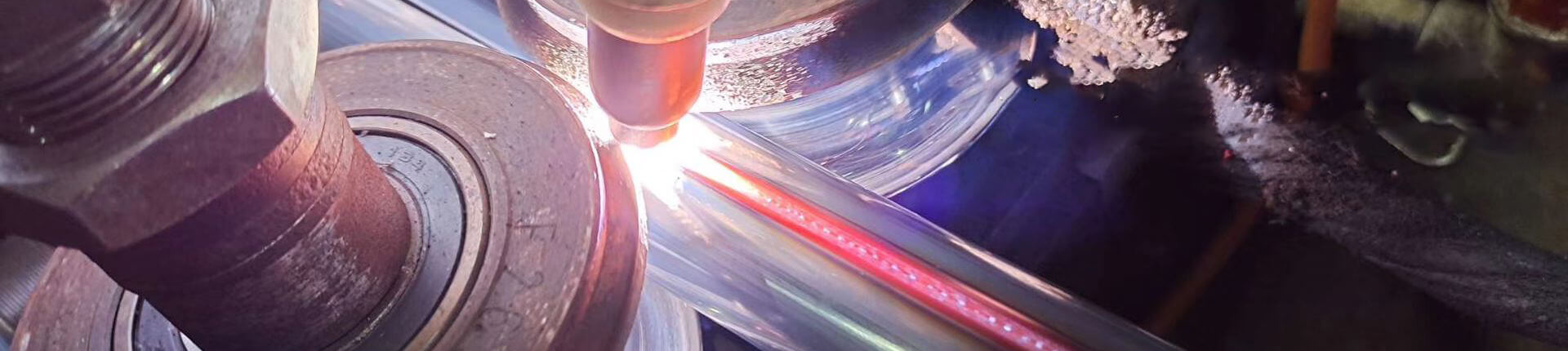


Welding stainless steel to ordinary carbon steel isn’t simple. You face two quite distinct metals. Stainless steel holds plenty of chromium and usually nickel. Regular steel, or mild steel, mostly has iron and carbon. These varied makeup elements change how the metals act with heat.
A primary problem is the gap in heat growth. Stainless steel stretches and shrinks at another pace than carbon steel. When put together by welding, this difference can cause bending, leftover strain, or splits at the connection.
Besides that, stainless and mild steel show unlike melt points. Stainless steel tends to melt at a smaller heat level than carbon steel. So the welder has to watch heat closely. This avoids burning the stainless part or not heating the carbon part enough.
Working with stainless steel brings upsides and hurdles. If you account for those limits in your method, the final outcome pays off.
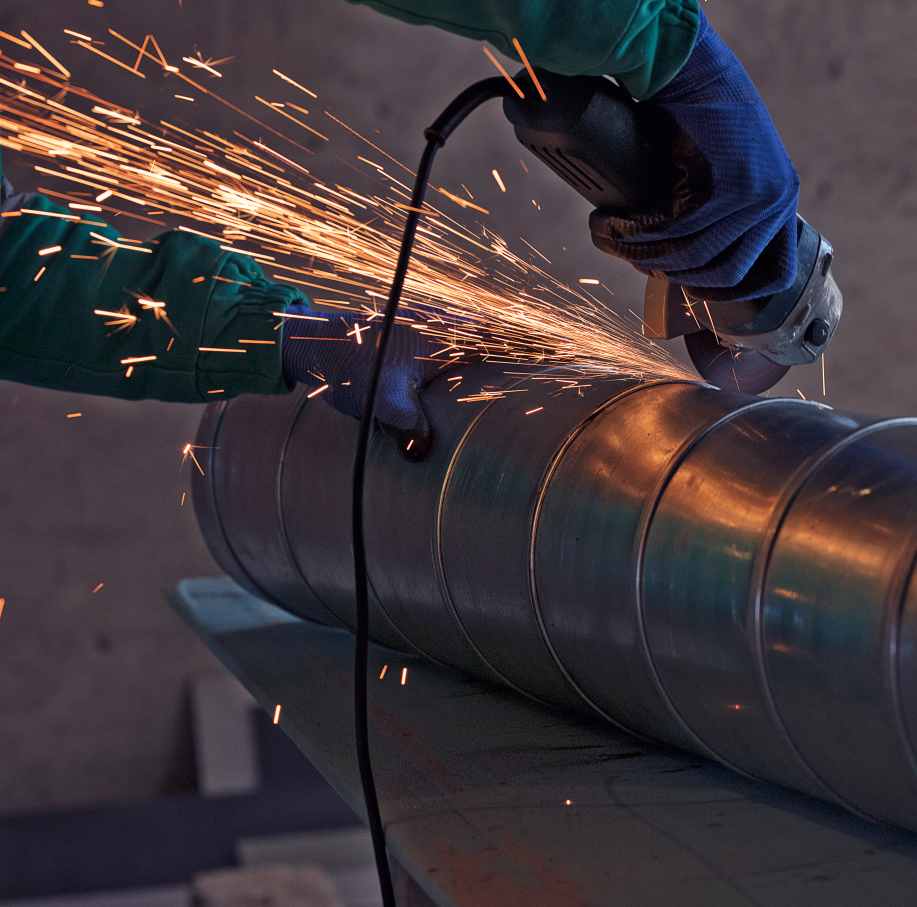
Material traits have a big part in how these metals react to welding. The high chromium and nickel in stainless steel change its heat flow. It warms quicker and holds warmth more. This makes it likely to bend.
The carbon in mild steel can mix with chromium in stainless steel while welding. This leads to carbide buildup. That event can cut down the rust shield of the stainless side a lot. It basically cancels one of its key perks.
As for grain setup, stainless steel reacts more to heat added. It forms rough grains if too hot. This can make the weld link weaker. Mild steel takes more leeway but fights rust less.
If you’re planning to weld stainless steel to carbon steel, technique matters. TIG welding, or Gas Tungsten Arc Welding, stands out for its accuracy and handling. TIG welding is known for its precision, which is why it’s the go-to process for projects that demand clean, controlled welds. It fits best when looks and standard matter most.
By contrast, MIG welding gives quickness and simple handling. MIG welding on stainless uses simple equipment that can be transported easily. That’s why many pick it for upkeep and fix jobs.
Stick welding, or SMAW, works too. It’s good for outside or factory settings. But it might need special rods for unlike metal tasks.
Yes, for sure. A fitting filler metal aids in closing the divide between stainless and carbon steels’ varied makeups. The top picked filler for this task is 309L stainless steel. It has enough added elements to fit both metals.
Nickel-based fillers make another solid pick. They bring more bend and lower split risks. Also, picking the filler metal shapes the rust shield of the weld area. Wrong filler can make a soft spot open to rust.
Yes, getting ready counts when joining unlike metals. Begin by cleaning both sides fully. Remove fat, oil, and grime. Dirt can greatly weaken your weld. Thoroughly clean the base metal before welding to remove any contaminants, such as oil, grease, dirt, or oxides.
Angling the edges of thick pieces ensures deeper reach and mixing in welding. Clamps help hold items steady. They stop bending from uneven warmth.
Quite vital. Too much heat on stainless steel can strip its rust shield. It breaks the guarding chromium oxide coat. This occurs when the chromium oxide layer is destroyed or removed. Sometimes this can happen during welding, either during the heating or cooling process.
At the same time, warming carbon steel first cuts heat jolt where it joins stainless. Watching heat between weld steps matters too. Too much warmth there can bring hardness or splits.
A key trouble is splitting from heat strain. It comes from metals growing and shrinking at different speeds. Another worry is electric rust. This hits when unlike metals link and face water without guard layers.
If you pick wrong filler or bad method, the weld might turn too hard or miss power fully. That undoes the point of picking stainless steel to start with.
Choose fillers like 309L or nickel mixes made for unlike metal joining. These handle the makeup gaps. They also give solid pull strength and rust shield.
Set lower current levels. Let cooling happen between steps. Proper welding techniques, such as preheating, controlling heat input, and post-weld heat treatment, are necessary to minimize these issues.
Always clear slag, color shifts, or rust films after welding. This keeps rust shield and boosts looks. For key uses, think about harm-free check ways like sound wave or color leak tests.
At YUHUA, we have focused on top-grade stainless steel tubes since 2009. Our line covers common types like 201, 304, 316L, and 430 series. All come under tight check systems and ISO 9001 approval.
Our plant has trained engineers. They aid in building custom fixes for your job needs. If you seek build power or style draw, our items give prime work in fields from food handling to fresh building designs.
Yes, our stainless steel tubes consider joining ease. Due to our exact making steps, our tubes offer great match when linking with carbon steel or other stuff. This makes prep simpler and saves time at the spot.
Our production setup, quality, output and market growth match global standards. That means steady wall sizes and fine surfaces. They suit MIG and TIG welding tasks well.
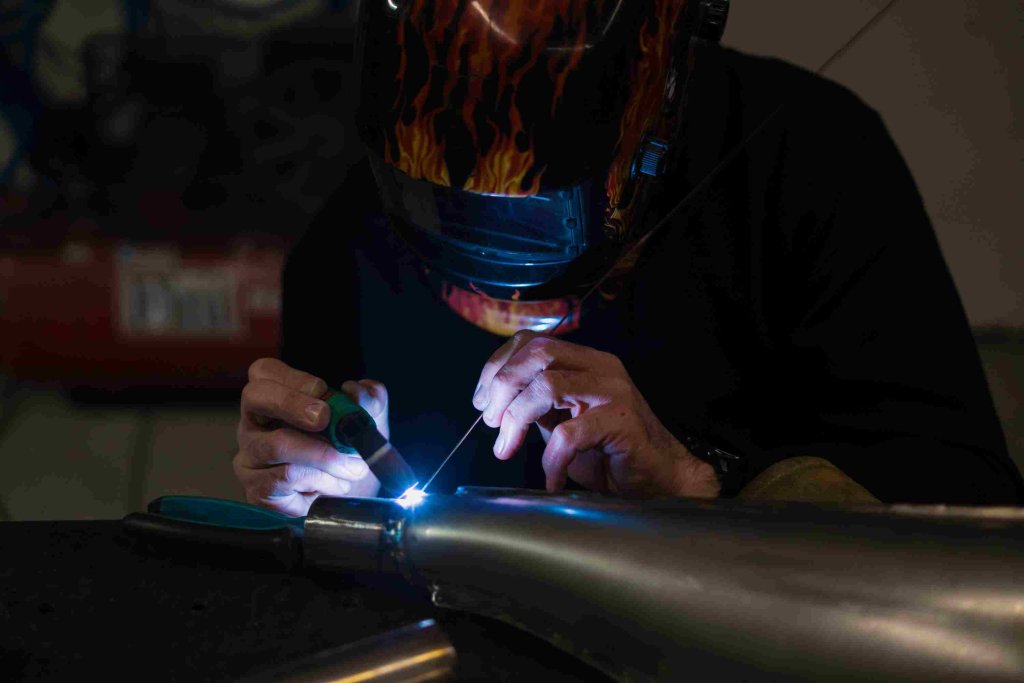
A: Technically yes, but it’s not recommended. Using a compatible filler metal helps prevent cracking, improves strength, and enhances corrosion resistance.
A: A 309L electrode is commonly used because it contains elements that accommodate both stainless and carbon steels’ properties.
A: It can if not done properly. Using the right filler, controlling heat input, and post-weld cleaning help preserve corrosion resistance at the joint area.
 Address: Muyuan Industrial Zone, Shishan Town, Nanhai District, Foshan City, Guangdong Province
 Call us now:+86 13751499396
 Email:546980277@qq.com


Foshan Nanhai Yuhua Hardware Products Co., Ltd.佛山市南海誉华五金制品有限公司