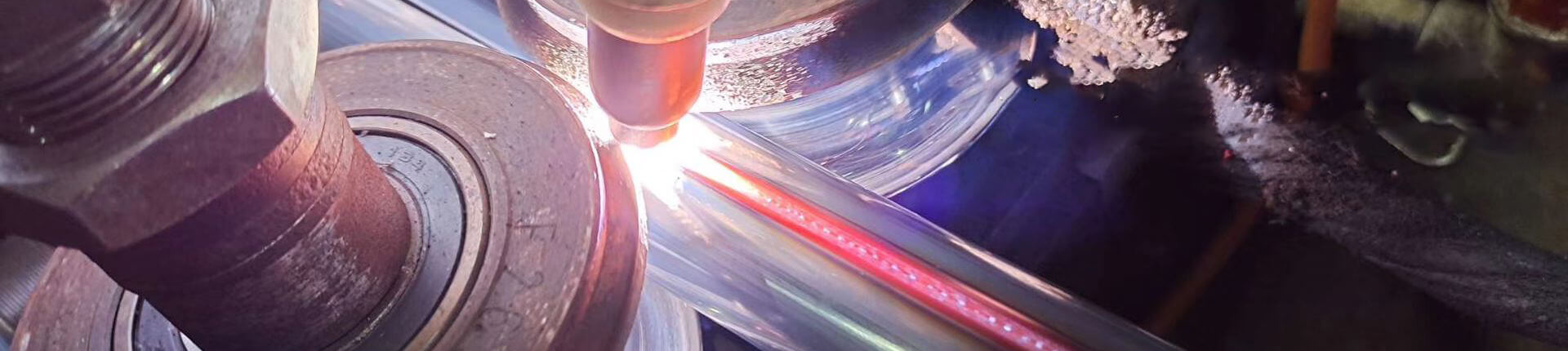


304 stainless steel tubing stands out as one of the most adaptable and often used materials in industrial and home settings. Its appeal mainly comes from its strong makeup. This features a large amount of chromium and nickel. These parts give it reliable rust protection and toughness. 304 stainless steel pipe has solid resistance to corrosion, heat, and physical traits where strength holds up at low temps. So, it works well in many spots, from damp kitchens to tough chemical sites.
Plus, 304 stainless steel gets credit for simple bending and connecting. It has decent workability and joining ability. If you cut, bend, or connect it, this metal keeps its form and good looks. Its use in building, clean food areas, and accurate tools makes it a prime pick for builders and planners.
304 stainless steel tubing shows up in different areas because of its strength and style features. Uses cover building, food handling, and chemical fields. It works as a main piece in food handling zones where cleanliness and rust fight are key. In chemical spots, it stands up to contact with strong stuff without breaking down.
In design work, folks like it for rails, barriers, and borders due to its shiny surface and weather fight. In cars, 304 tubing fits into exhaust parts and body pieces. Design items (rails, barriers, covers) and car details and exhaust setups gain from its mix of power and eye appeal.
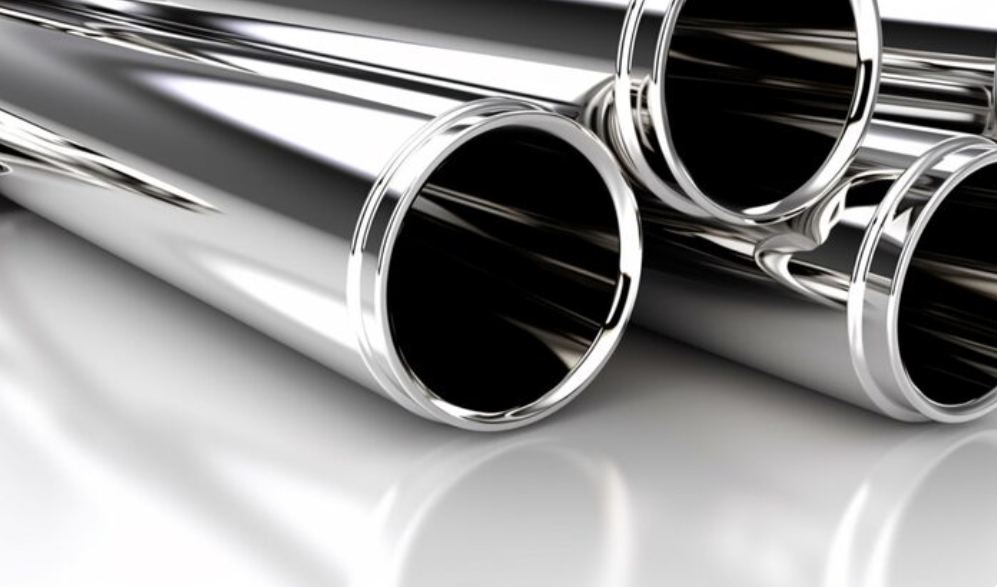
The dependability of 304 stainless steel tubing suppliers really shapes your job’s result. A good supplier makes sure all tubing goods follow strict trade rules like ASTM or ISO stamps. Approved suppliers promise that stuff hits trade norms, keeping work and safety solid.
Clearness in buying and making is vital as well. Known suppliers offer full records that detail raw stuff starts, mix details, and making ways. Suppliers handle getting good items for you straight. Quick client aid and expert tips mark the best suppliers by sharing ideas on choosing goods and uses.
Good suppliers follow tight check steps to confirm goods match rules. These involve size checks with tools like calipers or micrometers to prove wall depth and width sameness. Surface looks happen to spot marks, rust signs, or shine flaws.
Checks for build traits, such as pull strength and stretch tests, prove the tubing can deal with job pressure. Pull strength checks, hardness tests, mix review, rust fight tests are some of the usual steps done to promise quality.
Tracking is crucial in quality work. Able suppliers follow batch codes from raw gathering to final send. Each lot usually has a Compliance Cert or Mill Test Report (MTR). This checks mix content and build traits. Giving right stuff records and keeping track for each lot aids in duty through the chain.
Not all 304 stainless steel tubing out there hits top marks. A big gap is the steadiness of the mix setup. Suppliers stay trustworthy if they check: cleanness of chromium and nickel, carbon level, mix rate truth. Bad buying habits can cause shifts that harm rust guard or power.
Shape differences, such as uneven wall depth or weak straightness, can lead to setup or running troubles. Wrong keeping ways can bring dirt or outer harm like rust marks. This takes place mainly in wet spots without air control.
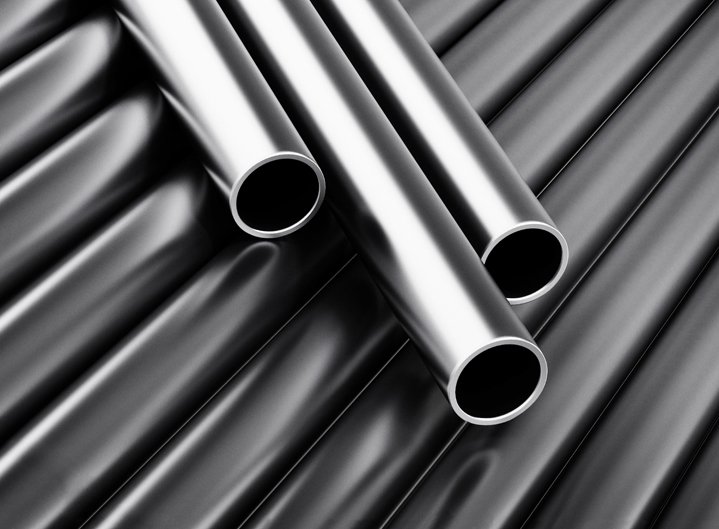
When looking at tubing by sight, seek steady shine without color changes or bumps. Rust marks warn of weak surface care or keeping issues. Tags must show the type plain. Seek signs like “304” or “TP304” to confirm.
Ask These Questions Before Buying from a Supplier:
Asking these questions can help you assess whether a supplier is committed to providing reliable 304 stainless steel tubing.
Seasoned suppliers have improved their check steps over time. The gap between a job’s win and loss rests a lot on the raw stuff’s quality. They often link with reliable mills that hold steady making rules. This makes sure you get tubing with even build traits.
Also, long-time suppliers usually know about market shifts and job-specific wants. This helps them suggest right goods fit for your job’s needs.
A solid supplier gives more than mere goods. They offer fixes. This covers expert chats on picking fit sizes, types, or ends based on your work setup.
You should count on clear talks about wait periods, order news, cost clearness, and ship plans for on-time arrivals.
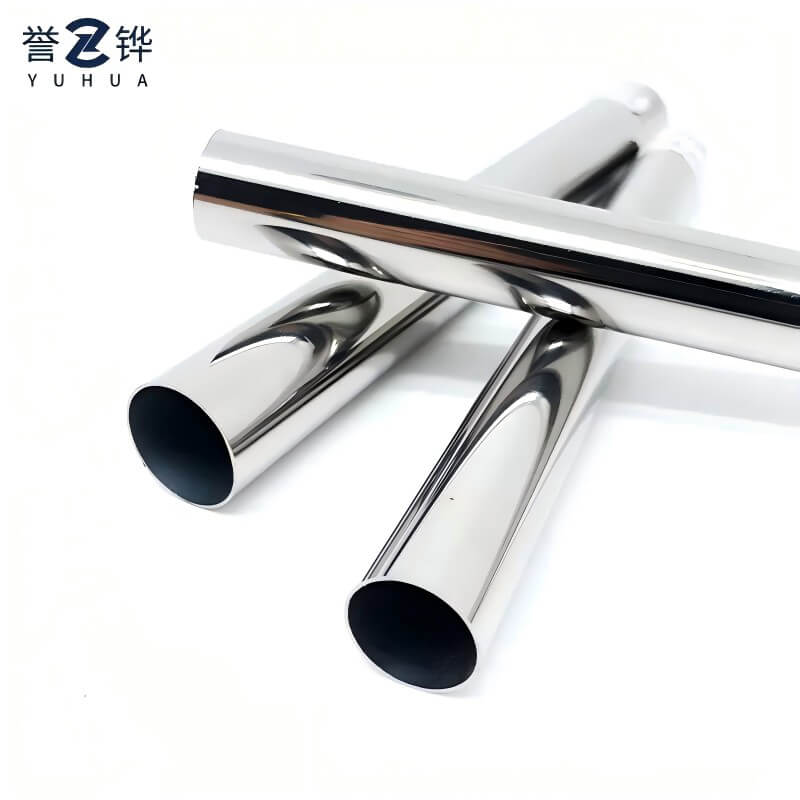
At YUHUA, we aim at making top-level 304 stainless steel tubing that matches world norms like ASTM A312, ASTM A269 and ASME SA312. Our goods go through full check ways such as water pressure tests, current checks for join strength, and exact size looks before send.
Our 1.5-meter 20x20mm square tubes come from grade 304 stainless steel, giving better rust fight and lasting power. We stick close to ASTM A554 norms while giving mill test certs with each send for total tracking.
We have both seamless and welded 304 stainless steel tubes. Seamless tubes work great for high-pressure spots where no-leak work is key. Welded tubes fit well for build uses or decor spots where looks matter a lot.
Our tubes have smooth inside surfaces that cut flow drag in pipe setups. The heated surface end boosts rust fight while easing making. The tubes go through an exact heating step that: Boosts rust fight; Betters build wholeness; Gives a even, smooth surface; Aids better joining and making.
We keep close size limits—outer sizes with ±0.13mm limit—and offer custom lengths on ask.
A: Seamless tubing comes from solid blocks without any join line, giving higher pressure hold, while welded tubing forms by rolling and joining steel strips — it’s cheaper but a bit less strong under pressure.
A: Ask for mill test reports (MTRs), check for proper grade markings on the tubing, and request documentation showing compliance with ASTM or ISO standards.
A: Wall thickness depends on your application — common standards include Schedule 10S or Schedule 40S — but always consult your supplier to match your project’s needs accurately.
 Address: Muyuan Industrial Zone, Shishan Town, Nanhai District, Foshan City, Guangdong Province
 Call us now:+86 13751499396
 Email:546980277@qq.com


Foshan Nanhai Yuhua Hardware Products Co., Ltd.佛山市南海誉华五金制品有限公司