

Industrial manufacturing environments demand highly reliable structural components that can withstand constant mechanical vibration and heavy loads. For original equipment manufacturers and procurement teams, selecting the optimal material for structural assemblies is a critical decision. A stainless steel square pipe is widely recognized as a superior choice for building robust equipment frames and machinery conveyor systems. Its unique geometry provides exceptional structural integrity, while the inherent metallurgical properties of the metal deliver long-lasting performance in harsh settings. As a leading manufacturer, YUHUA provides premium metal solutions for diverse fabrication needs. You can explore our extensive capabilities through the YUHUA product center.

When constructing industrial equipment, the geometry of the structural members dictates the overall rigidity of the framework. A stainless steel square pipe is a hollow, long strip of steel that offers distinct mechanical advantages for industrial applications. The flat surfaces and 90-degree angles of a square-profile stainless tube provide a large, stable contact area for joining and assembling components. This structural shape is lighter in weight when it has the same bending and torsional strength as solid metallic materials, making it highly efficient for engineering structures.
For machinery guards, the flat edges make it simple to attach safety panels. You can also easily mount wire mesh or metal covers. You do not need tricky brackets to do this. The metal stays very straight. Makers keep this straightness at or below 1.5mm per meter. This helps large frames line up perfectly during the build. Such careful work cuts down on warping. It also makes sure inner moving parts run well. They will not hit any poorly placed supports.
In demanding manufacturing facilities, equipment guards must be kept completely clean to ensure operational safety and prevent material contamination. An easy-to-maintain SS square pipe is absolutely essential for these critical applications. The stainless steel surface is smooth and clean, which inherently means it is not easy to absorb dust and dirt. This fundamental characteristic makes the structural material incredibly easy to clean and maintain over its entire operational lifespan.
Furthermore, the surface finish of a premium SS square pipe, such as an annealed surface with a roughness average of less than or equal to 0.8 micrometers, actively prevents the accumulation of industrial oils and metal shavings. This uniform finish not only enhances the aesthetic appeal of the machinery but also allows maintenance personnel to wipe down the equipment frames quickly. This highly efficient cleaning process significantly reduces machine downtime during regular sanitation protocols.
The specific material grade dictates exactly how well the structural frame will resist environmental degradation over time. An SS 304 square tube is the recognized industry standard for most industrial machinery applications. Manufactured from grade 304 stainless steel, this material features a very high chromium and nickel content that ensures excellent performance in various environments. This specific metallurgical composition provides superior corrosion resistance, enabling the metal to effectively resist the erosion of many chemicals.
Because of these properties, it is highly suitable for various corrosive environments. Whether the equipment is operating in a humid factory setting or exposed to industrial solvents, a 304 stainless steel square pipe will maintain its structural integrity. It is widely used in the manufacture of mechanical parts, equipment frames, and conveyor systems. The material undergoes a precise annealing process that enhances corrosion resistance and improves overall structural integrity, ensuring guards remain safe.
Mechanical strength is a paramount consideration when engineers design load-bearing frames and protective barriers. A high-strength 304 square tube provides exceptional durability and safety for heavy machinery operations. Stainless steel has high hardness and high strength, which directly gives it good wear resistance and tensile resistance. These traits allow the material to be confidently applied to various heavy-duty working environments.
To precisely understand the load-bearing capabilities, structural engineers evaluate specific mechanical properties. The tensile strength of this grade is greater than or equal to 520 MPa, while the yield strength is greater than or equal to 205 MPa. Additionally, the elongation property is greater than or equal to 40 percent, and the material hardness is kept strictly under 200 HV. These precise technical specifications guarantee that the metal can absorb significant impact forces without experiencing catastrophic failure during operation.
Selecting the correct physical dimensions is crucial for perfectly balancing the weight of the equipment with its required structural rigidity. There are numerous standard stainless square tube sizes available to suit diverse engineering blueprints. For intricate machinery guards and lighter conveyor frames, a very common outer dimension utilized by fabricators is 20mm by 20mm. Fabricators require extremely precise dimensional tolerance control for assembly, typically demanding a tolerance of plus or minus 0.13mm on the outer dimensions to ensure accurate joint fitment.
Wall thickness serves as another critical engineering variable, with selectable options such as 1.0mm, 1.2mm, and 1.5mm depending on the exact torsional strength required. The corner radius is also tightly controlled to be less than or equal to 2.0mm, providing a sharp appearance while maintaining foundational stability. Standard lengths often run at 1.5 meters or 1500mm, though custom lengths are frequently ordered to minimize material waste during large manufacturing runs.
Commercial procurement teams must carefully vet their supply chain to ensure highly consistent material quality. When evaluating SS square tube manufacturers, several rigorous quality assurance protocols must be independently verified. Reliable suppliers will comprehensively ensure their materials are fully compliant with standard specifications such as ASTM A554 and EN 10296-2. It is essential that every manufactured batch is eddy current tested for weld integrity to prevent microscopic weak points in the framework.
Furthermore, reputable manufacturers readily provide detailed mill test certificates and proactively conduct rigorous surface quality inspections for each piece produced. By strategically partnering with an experienced industry leader like YUHUA, procurement managers can securely obtain materials that meet strict dimensional tolerance controls. This sourcing strategy ensures seamless integration into the factory workflow and significantly reduces the risk of project delays.

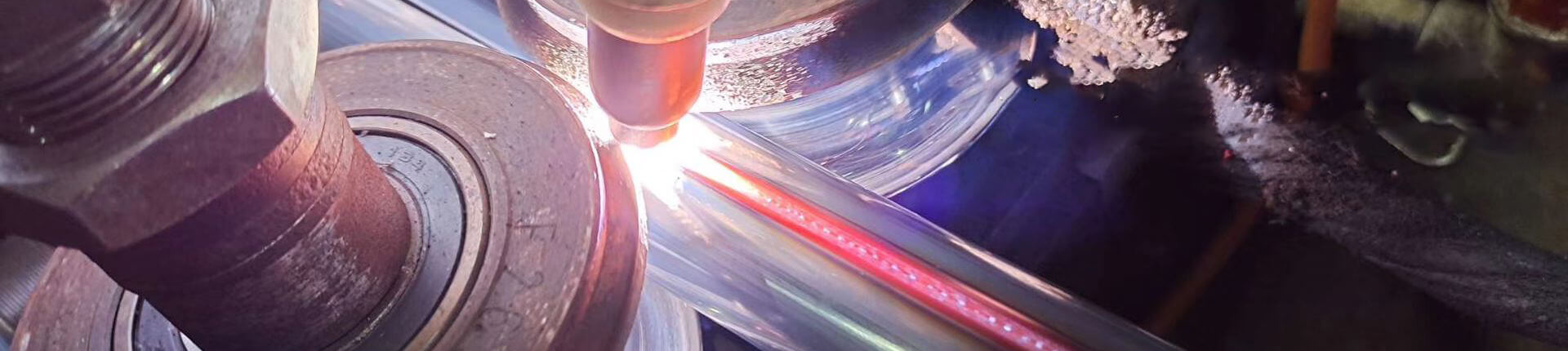
The actual fabrication process strongly dictates the final structural quality of the machinery frame. Working with a square profile stainless tube is highly efficient in a shop environment due to its flat sides, which greatly simplify the cutting, clamping, and welding processes. The precise annealing process applied to the raw material actively facilitates better welding and fabrication. This thermal process effectively removes internal stresses from the metal, significantly reducing the likelihood of warping or cracking when intense heat is applied during fabrication.
Additionally, the professionally annealed surface provides a uniform foundation that directly enables superior polishing if required after the welding joints have been ground down. Fabricators deeply appreciate the highly consistent wall thickness and the tight corner radius parameters. These factors allow for perfect 90-degree mitre cuts and strong, flush corner joints that are absolutely essential for constructing rigid and durable equipment structures.
Building durable machinery guards requires a highly systematic approach to assembly and welding.
Consider an industrial application where a facility upgrades its heavy-duty conveyor systems. By utilizing precisely dimensioned 20x20mm materials with a 1.5mm wall thickness, the engineering team creates a framework that perfectly balances total weight reduction with extremely high impact resistance.
A: The optimal dimensions depend entirely on the scale of the equipment and the anticipated mechanical load. For light to medium machinery guards and precise decorative projects, a 20x20mm profile with a 1.2mm or 1.5mm wall thickness is highly effective. Larger heavy-duty equipment may logically require substantially thicker walls and broader outer dimensions. It is crucial to deliberately match the specific tolerances to your engineering blueprints to ensure optimal structural integrity across the frame.
A: This metal grade gives a great mix of strength and weather resistance. It has a lot of chromium and nickel. This mix fights off rust from factory chemicals, oils, and water. The high hardness and solid strength help the metal survive harsh work areas. This makes it the top pick for machinery protection.
A: When buying materials for industrial frames, teams should find makers who follow global rules. Look for standards like ASTM A554 and EN 10296-2. Make sure the supplier offers full quality checks. These should include eddy current tests for weld integrity and verified mill test certificates. A good B2B supplier also uses strict size limits. They will always check the surface quality thoroughly.
A: Yes, caring for these structural components is a fast and simple task. The very smooth, treated surface does not soak up dust or dirt. This makes it very easy to wash and keep up. This trait cuts down on repair time. It makes sure heavy machine guards stay clean and look good. They hold up well even in the worst factory settings.
A: For building rigid mechanical frames, a square profile distinctly provides exceptional assembly advantages. The precisely flat sides significantly simplify structural alignment, clamping, and welding procedures, allowing skilled fabricators to systematically create tight 90-degree corner joints with extreme ease. Furthermore, it is mechanically easier to securely mount protective safety panels and customized equipment enclosures directly to flat square surfaces compared to the naturally curved surfaces of round piping.
 Address: Muyuan Industrial Zone, Shishan Town, Nanhai District, Foshan City, Guangdong Province
 Call us now:+86 13751499396
 Email:546980277@qq.com


Foshan Nanhai Yuhua Hardware Products Co., Ltd.佛山市南海誉华五金制品有限公司