

Picking the correct wardrobe piece goes beyond a simple style pick. It impacts the usefulness, toughness, and visual charm of the wardrobe in a big way. The pipe serves as the main support that holds the weight of clothes. It also shapes the general style of the closet. Usefulness and looks work together closely. A bad material choice can cause drooping rails or rust marks. These issues harm both work and style.
Toughness and care needs rely mostly on the material. Stainless steel gives strong protection against rust. Wooden pipes add a cozy feel but might twist in damp air. Aluminum brings a light but fresh choice. Support strength is key, too. Each material has its own weight-holding power and setup needs. These affect reliability over time.
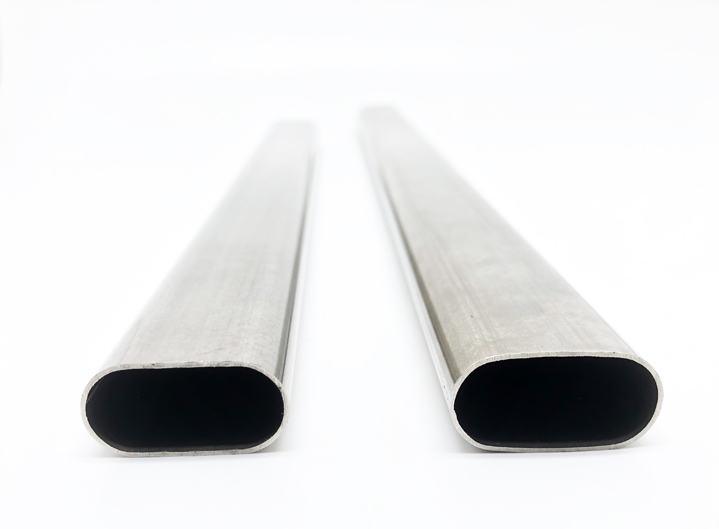
Our 3 Inch Oval Stainless Steel Wardrobe Rail Pipe is made from top-quality 410s/430 stainless steel. It provides outstanding toughness, protection from rust, and a smooth, fresh finish. This makes it perfect for home and business wardrobes. There, strength and style matter just as much.
304 Stainless Steel Pipes rank as one of the most common stainless steel items. They stand out for great protection from rust, strong build, and flexibility. These traits promise a long life even in damp spots like closets or laundry rooms.
The high chromium-nickel mix boosts its power to fight rust and wear. At the same time, it keeps a shiny look that fits upscale spaces.
Stainless steel wardrobe pipes need very little care. This comes from their even finish that fights dust buildup. The stainless steel surface stays smooth and neat. It does not grab dust or grime easily. Cleaning and upkeep are simple. Their adaptability lets them fit many home styles. These range from simple to rough urban looks.
Plus, stainless steel’s strong toughness gives great resistance to wear. Stainless steel has good hardness and strength. This makes it tough against rubbing and pulling. It works well in heavy-use settings. Its long life means savings on costs later. That is because replacements happen rarely.
Wooden wardrobe pipes bring a warm look that matches well with old-style or country furniture setups. They offer many options in finishes, like oak, walnut, or maple. You can stain or paint them to go with the current decor. Their natural feel adds a cozy touch that metal lacks.
Eco-friendly aspects also support wood when it comes from sustainable sources. Many makers now pick reused or approved wood. This cuts harm to the planet. Yet, they keep fine workmanship.
For some looks, wooden pipes give a budget-friendly way to customize. They are simple to change. You can cut or drill them right there without fancy tools. These suits do-it-yourself setups or custom cabinet work.
Wood also has classic charm. Its touchable feel goes well with old-school spaces where natural items lead. But, good sealing is a must. It stops water harm or twisting as time passes.
Aluminum wardrobe pipes shine for being light but sturdy enough for daily handling. They prevent rust on their own thanks to the oxide cover. The many coating choices, like brushed dull, treated silver, or painted colors, make aluminum very fitting for modern wardrobes.
This material’s good mix of toughness and lightness means it is easier to manage during setup. That is compared to heavier metals like stainless steel.
Due to its light weight, aluminum makes setup simpler even in big wardrobes. Its shiny metal look fits well with current home designs. These focus on straight lines and less clutter. Also, aluminum costs less than the top stainless steel grades in general. Still, it gives solid work against rust.
Out of all materials, stainless steel tops in lasting power. This is thanks to its rust-proof makeup. Stainless steel has good corrosion resistance. It can stand up to harm from many chemicals. So, it fits various harsh settings. It needs just a bit of care, like wiping now and then.
Wood calls for regular care or sealing based on dampness levels. Aluminum requires little attention. But it might bend more under a strong force than steel does.
For heavy clothes like coats or suits, stainless steel offers top-notch holding power. This is due to its pulling strength over 520 MPa in 304 types. Tensile Strength: ≥520 MPa. Aluminum manages everyday weights well. But it might give a bit under too much load. Wooden rods suit light clothes best. Unless you add metal inside for extra strength.
Room-saving design differs, too. Oval stainless rails make the most of the hanging area. They give a tight but strong shape. This works great for slim closets.
Upfront prices vary a lot. Wood often costs the least at first. But it might need swaps sooner. Aluminum brings average costs with fair lasting perks. Stainless steel means more upfront cost. Yet it gives great long-term worth through years of work. And upkeep costs stay low.
Cost-Effective: Long service life reduces maintenance and replacement costs.
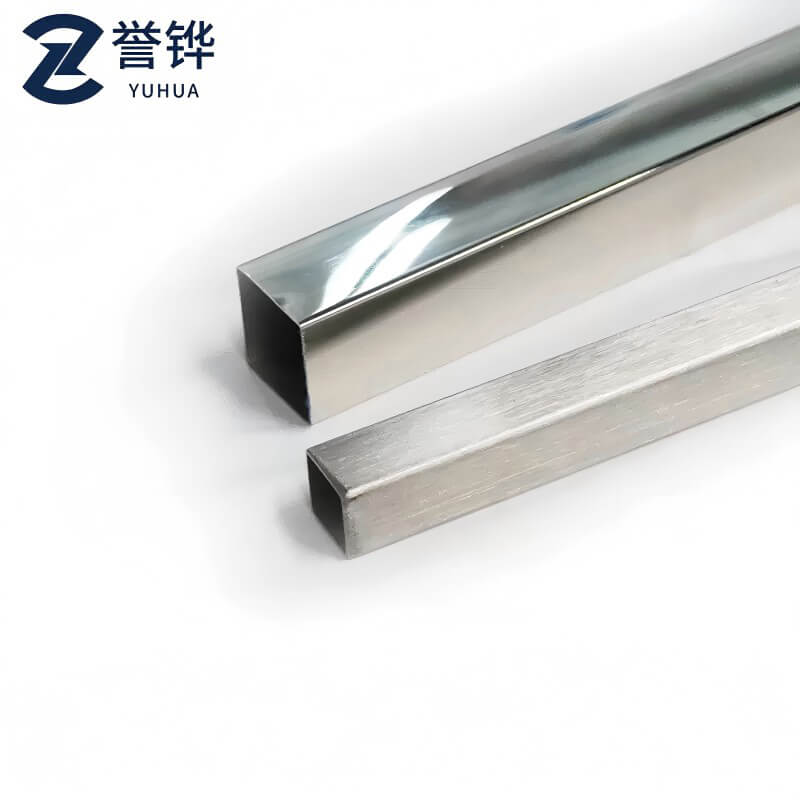
Money plays a big part in picking between stainless steel, wooden, or aluminum rails. People wanting high-end strength should choose stainless steel picks. Like YUHUA’s 304 or 410s/430 series pipes. Our pipes offer quality checks under ASTM standards.
Design taste counts just as much. Wood suits old decor. While aluminum goes with neat city spaces. Fit with current wardrobe frames should guide the choice, too. Some setups need certain brackets or sizes.
Weighing style goals with real-world use brings lasting happiness. For example, damp areas benefit from rust-proof stainless rails. Such as YUHUA’s 3 Inch Oval Stainless Steel Wardrobe Rail Pipe. It is made for “wardrobes, closets, pantries, and laundry room storage.”
Thinking about future benefits means looking at more than just price. Consider life span and care ease too. Spending once on tough materials cuts later fix costs. It also keeps steady visual charm over years of use.
A: Stainless steel wardrobe pipes have the longest lifespan due to their corrosion resistance and structural integrity, even in humid conditions.
A: Wooden rods can handle moderate loads but may bend over time unless reinforced; stainless steel remains better suited for heavy garments like coats or suits.
A: Aluminum’s lightweight nature allows quick installation while providing a sleek metallic look ideal for minimalist interior themes.
A: Simply wipe them periodically with a damp cloth; the stainless steel surface is smooth and clean, not easy to absorb dust and dirt, ensuring effortless upkeep without polish requirements.
A: Yes, YUHUA was established in 2009 in Nanhai District, Foshan City. We offer solid stainless steel goods, good technical support and trusty after-sales help. The company holds ISO 9001 certification ensuring consistent product quality across global markets.
 Address: Muyuan Industrial Zone, Shishan Town, Nanhai District, Foshan City, Guangdong Province
 Call us now:+86 13751499396
 Email:546980277@qq.com


Foshan Nanhai Yuhua Hardware Products Co., Ltd.佛山市南海誉华五金制品有限公司