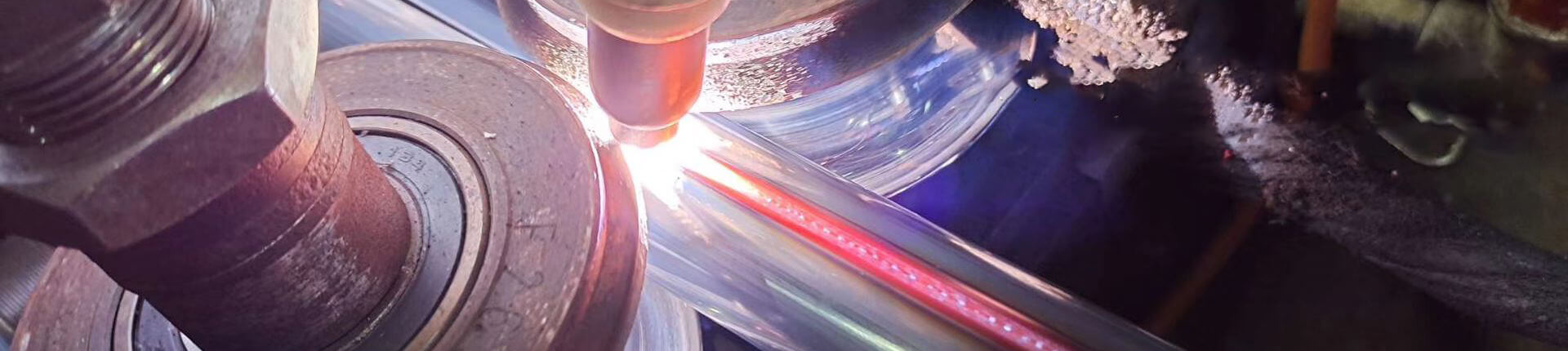


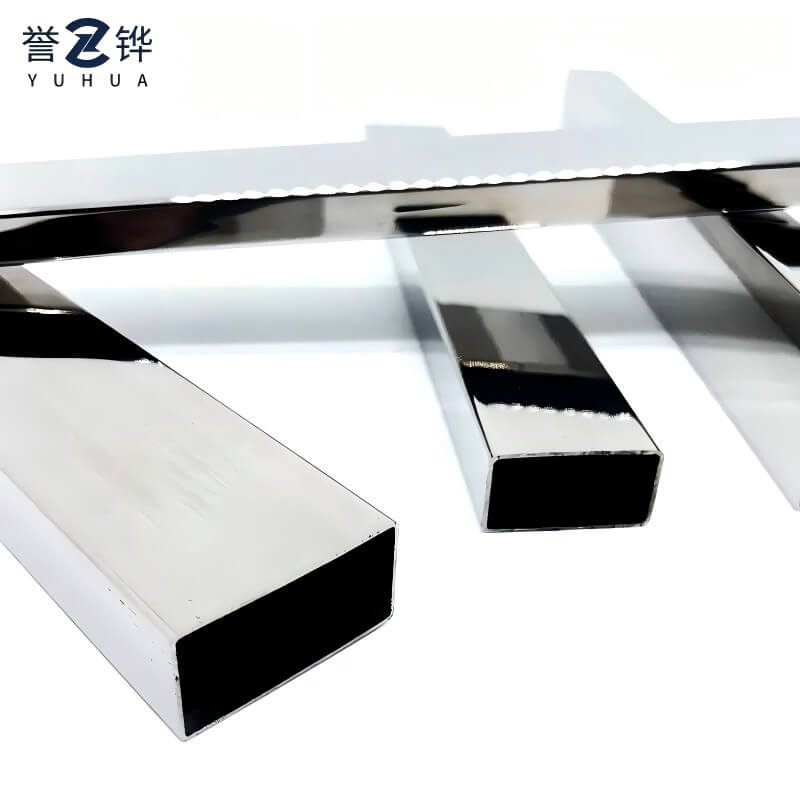
A stainless steel rectangular pipe exists as a hollow structural tube which has rectangular dimensions throughout its length. The pipes consist of stainless steel material which provides durability and corrosion protection and strength, resist environmental damage and present attractive surface finishes for different uses from building frameworks to decorative items.
Stainless steel rectangular pipes exist in numerous dimensions which follow international standards including ASTM A554 and ASTM A312 and EN 10210. The product range includes different outer dimensions and wall thickness measurements.
The production of rectangular pipes uses multiple stainless steel grades which include.
304: A general-purpose grade known for its excellent corrosion resistance and weldability.
316: Often referred to as marine-grade stainless steel due to its high resistance to chlorides and acidic environments.
409/430: Ferritic grades used primarily in automotive applications and indoor decorative uses.
The design of stainless steel rectangular pipes provides maximum strength while minimizing their weight. The yield strength of these pipes extends from 200 MPa to more than 500 MPa based on the selected grade.
The mechanical strength of these materials makes them suitable for building structures that need to support loads as well as machinery frames and industrial equipment.
The structural strength and resistance to fatigue of stainless steel rectangular pipes enables them to withstand dynamic loads that occur from vibration and thermal expansion. Their ability to maintain stability under fluctuating conditions makes them essential for applications that need long-term reliability.
Surface finish serves dual purposes because it affects both operational performance and visual appearance.
Mill Finish: Unpolished surface straight from manufacturing with minor imperfections.
Brushed Finish: Offers a matte texture ideal for architectural use.
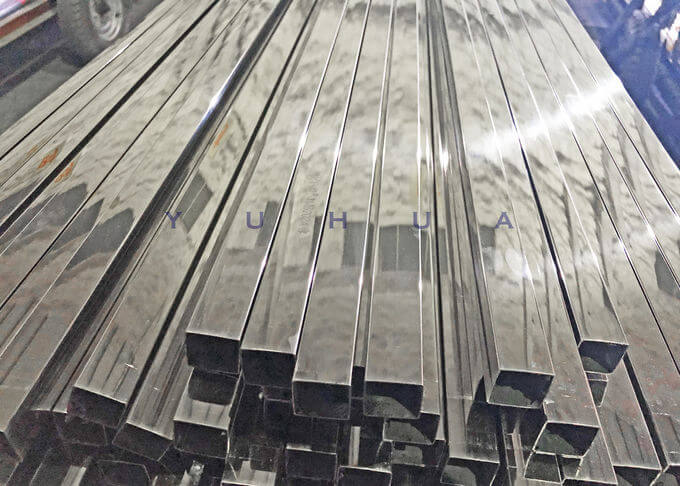
Mirror Finish: Highly polished reflective surface, suitable for sanitary or decorative applications.
Stainless steel displays a metallic sheen while maintaining its attractive appearance which makes it suitable for decorative uses and additional applications.
The dimensional tolerances of the pipe enable it to connect properly with other components in the assembly. The exact measurements of width and height and wall thickness enable better joint and fitting connections while improving welding precision and reducing material loss during production and installation stages.

Stainless steel rectangular pipes serve as excellent load-bearing components because their high tensile strength and corrosion resistance properties make them suitable for beams and columns and support frames. The pipes require minimal upkeep which results in extended operational periods when they are exposed to outdoor conditions.
The transportation industry uses these pipes to create lightweight yet strong bus frames and trailer supports and railcar elements. The ferritic grade 409 serves as a popular choice for exhaust system applications because it provides excellent heat resistance.
Stainless steel rectangular pipes serve interior needs because they have a modern design and allow users to select from various finish options for use in stair railings and furniture frames and shelving units and partition supports.
Stainless steel provides advantages to carbon steel and aluminum through its multiple benefits.
It provides significantly better corrosion resistance, reducing long-term maintenance costs.
Superior mechanical strength allows it to withstand greater loads without deformation.
Aesthetic versatility due to the availability of finishes like brushed or mirror-polished surfaces.
The stainless steel surface is smooth and clean, not easy to absorb dust and dirt and easy to clean and maintain.
Stainless steel exists as a fully recyclable material which makes it an environmentally friendly selection for projects. The product’s long service life reduces the need for resources throughout its operational period.
The selection of 316 alloy becomes necessary for outdoor and marine projects because this material provides superior corrosion protection.
The thickness of walls needs to match the expected mechanical requirements because walls that support heavy loads will become heavier. The evaluation process requires structural calculations to determine the appropriate wall thickness.
The selection of 304 as a cost-effective option provides excellent general performance at affordable rates.
To guarantee product reliability:
Always request Mill Test Certificates (MTC) from suppliers.
Verify that products conform to international standards such as ASTM A554 or EN 10210.
Conduct visual inspections for surface uniformity and dimensional accuracy.
YUHUA specializes in manufacturing stainless steel rectangular pipes of high quality for various industrial applications. Our company delivers reliable quality control through affordable prices and individualized solutions.
Our product range consists of stainless steel rectangular pipes which we manufacture from premium materials including 304 and 316 grades. The product line offers two finish options between brushed and mirror finishes which serve different purposes between structural and decorative applications while maintaining precise fabrication tolerances.
Our production process employs modern manufacturing methods which maintain consistent dimensions between different production batches. Our company follows ASTM and EN standards to guarantee that every pipe meets performance requirements.
Our support team provides immediate assistance to help you choose the right stainless steel rectangular pipe from our complete product catalog for construction needs or interior design requirements.
A: Square tubes have equal width on all sides; rectangular pipes have differing width-to-height ratios which may suit different structural applications depending on load direction.
A: The majority of stainless steel materials found in rectangular pipes can be welded through TIG or MIG welding processes after choosing the correct filler material for their specific grade.
A: The surface finish of stainless steel pipes stays intact through non-abrasive cleaning methods while preventing chloride substances from touching the material and performing passivation treatment when necessary after fabrication or welding.
 Address: Muyuan Industrial Zone, Shishan Town, Nanhai District, Foshan City, Guangdong Province
 Call us now:+86 13751499396
 Email:546980277@qq.com


Foshan Nanhai Yuhua Hardware Products Co., Ltd.佛山市南海誉华五金制品有限公司