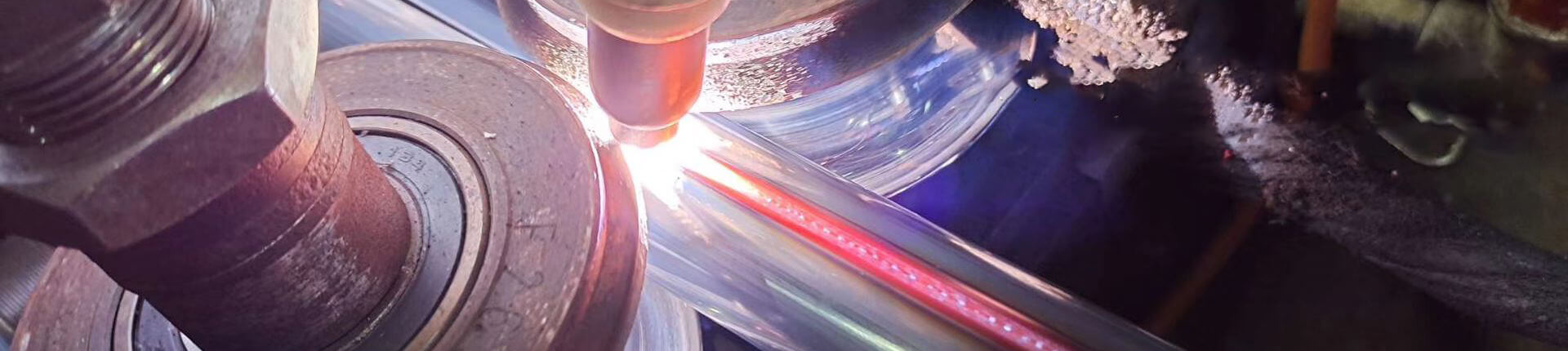


304 stainless steel is the most common chromium-nickel stainless steel. 304 stainless steel pipe has decent corrosion resistance, heat tolerance, and physical traits where strength does not drop at low temperature. This makeup usually holds about 18% chromium and 8% nickel. It delivers strong corrosion resistance and shaping ease. The mix of power and handling simplicity turns it into a top option in various sectors.
304 Stainless Steel Pipes perform effectively in building projects, food handling, and chemical sectors. In such fields, cleanliness and toughness are crucial. The high levels of chromium and nickel offer superior protection from oxidation and rust. This remains effective even in harsh environments.
The advantages of 304 stainless steel include durability, ease of cleaning, and a long service life. Its resistance to oxidation and many common chemicals also makes it suitable for demanding working environments.
Seamless tubing arises from a process that avoids welds or joins throughout its entire length. Typically, a solid chunk of stainless steel is warmed and punctured to form a hollow pipe.Then, this tube gets rolled or pulled to reach the needed size. Lacking seams boosts the tube’s mechanical soundness and evenness.
Unlike welded tubing, which involves shaping flat steel into a tubular shape and sealing the edge, seamless tubing manages greater pressure and provides a more solid build. It performs especially effectively in demanding pressure environments, such as hydraulic systems or heat exchangers. In those applications, consistent wall thickness and smooth internal surfaces prove highly important.
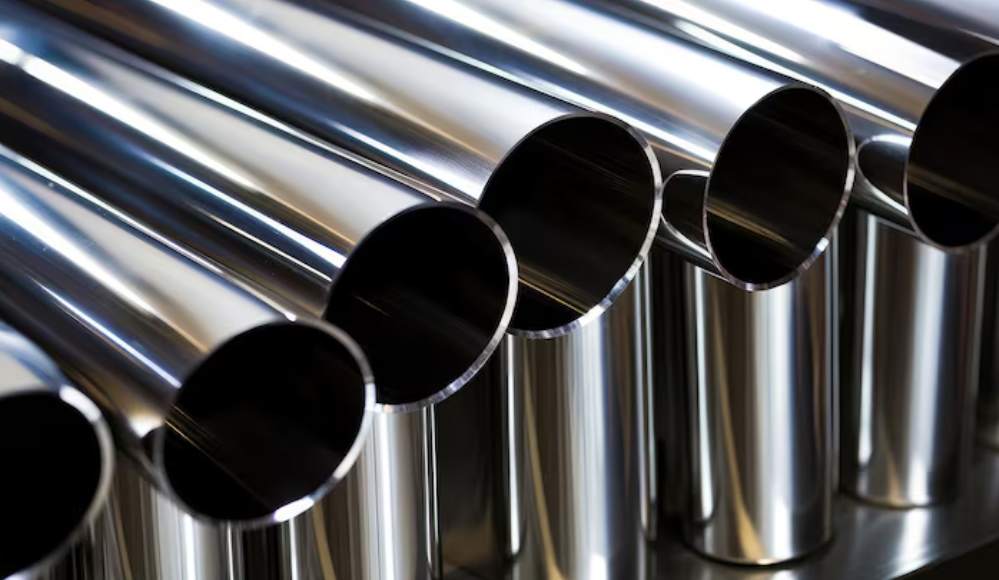
A handful of worldwide organizations establish guidelines to maintain consistent quality in the production of stainless steel tubing. These groups include ASTM, ASME, and ISO.
ASTM lays out details for material makeup, mechanical traits, test methods, and size allowances. ASME centers on safety guidelines for pressure containers and pipe systems. Meanwhile, ISO brings worldwide alignment to support cross-border trade rules. In all, these rules ensure that makers create safe, trustworthy tubing. It fits both output goals and legal needs.
The primary standards encompass ASTM A213 and A269, which address seamless austenitic stainless steel tubes. Additionally, ASME SA213 targets heat exchanger tubes designed for boilers or condensers. These specifications detail requirements for chemical composition analysis, tensile strength evaluations, hydrostatic pressure assessments, and surface finish inspections. International Organization for Standardization guidelines complement them by offering consistent guidance on material grades and dimensional tolerances applied worldwide.
Fully compliant with ASTM A554, EN 10296-2 standards, YUHUA makes sure that all our products meet well-known international criteria for quality control in production methods.
Quality checks start with choosing raw materials. Then come thorough reviews at each production step. Non-destructive test approaches, like ultrasonic testing, find inside defects such as gaps or bits without harming the item. Eddy current testing spots surface issues or uneven wall depths. These are vital for keeping work reliability under strain.
Size precision gets confirmed with exact tools to check outer diameter limits in small measures. At the same time, surface finish reviews ensure smoothness fitting for clean or factory uses. Eddy current tested for weld integrity further confirms consistent structural soundness across batches.
Meeting rules requires full records. These cover mill test certificates (MTCs), heat treatment notes, chemical check reports, and mechanical trait sheets approved by official labs. Makers often call in outside reviewers from trusted groups. They confirm fits to ASTM or ISO rules through sample tests or site checks.
At YUHUA, we keep track all through production—from raw material procurement to final dispatch—ensuring transparency for customers seeking certified 304 SS seamless tubing that meets exact technical parameters.
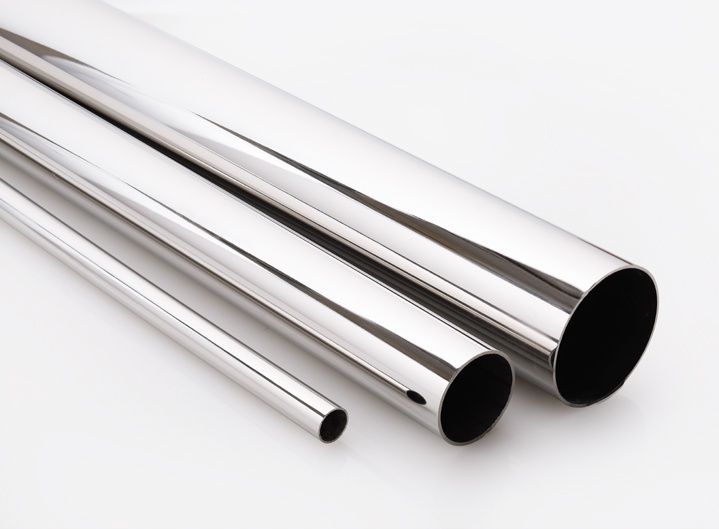
YUHUA specializes in producing various types of stainless steel pipes including grades 200, 201, 202, 300, 304L, 316L, 410, and 430 series designed to meet diverse industrial demands.
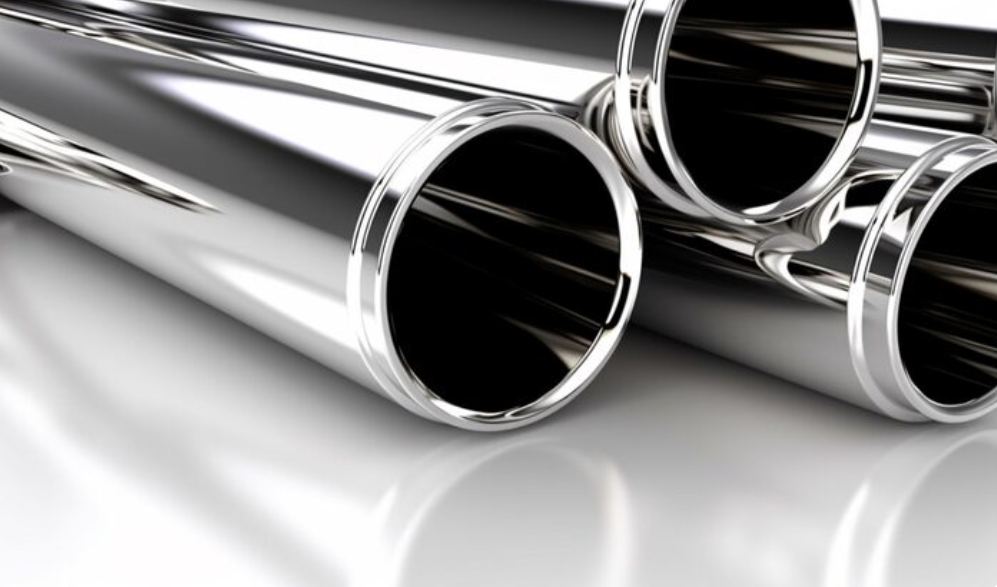
Our production system utilizes advanced automation technology which includes automated forming mills with controlled precision. Our system provides quality materials that are within the required limits. Our product quality standards are enforced in accordance with international standard ASTM A213/A269 and many other benchmarks.
Our production setup, quality, output and market growth match global standards. Our fabrication facilities utilize knowledgeable engineering staff and current technology to produce custom components to your exact requirements, while keeping costs to a reasonable level by optimizing all manufacturing processes.
We have secured ISO 9001 certification. This achievement highlights our strong dedication to ongoing enhancement. It is backed by Sedex accreditation. That ensures responsible procurement methods across our entire supply chain system.
Our seamless tubes set themselves apart with better corrosion resistance. This stems from high chromium-nickel alloy makeup paired with improved annealing steps. They boost microstructural steadiness under heat cycle conditions.
Each batch goes through hydrostatic pressure tests. These verify leak-free work fitting for tough areas like petrochemical handling or pharmaceutical fluid lines. Those need clean surfaces free of contamination dangers.
YUHUA’s seamless tubing also provides strong dimensional steadiness. This allows simple fitting into automated lines. It cuts downtime in setup tasks across factory sites worldwide.
Your Source for 410 Stainless Steel Pipe and Square Tubes–YUHUA reflects our broader capability portfolio extending beyond grade 410 to include premium-grade 304 SS seamless tubing.
A: Seamless tubes lack weld seams. This improves their strength evenness. It reduces weak spots open to cracking under pressure. Thus, they make great picks where dependability matters most. Examples include chemical reactors, heat exchangers, or hydraulic conduits running at high pressures.
A: You can confirm quality by checking maker-supplied mill test certificates. They show fits to ASTM A213/A269 rules. Third-party review reports support this. They check mechanical traits like tensile strength, yield point, elongation ratio, and hardness. Plus, chemical makeup results ensure real quality before setup.
A: Yes. Sectors like food and beverage handling, oil and gas work, pharmaceutical production, and marine projects use these tubes widely. Their non-reactive surfaces resist buildup. Also, their toughness fights off salt-based pitting corrosion. This ensures lasting work reliability. It holds under repeated heat strains common in process setups. Those require steady flow systems based on reliable materials like YUHUA’s 304 SS seamless tubing solutions.
 Address: Muyuan Industrial Zone, Shishan Town, Nanhai District, Foshan City, Guangdong Province
 Call us now:+86 13751499396
 Email:546980277@qq.com


Foshan Nanhai Yuhua Hardware Products Co., Ltd.佛山市南海誉华五金制品有限公司