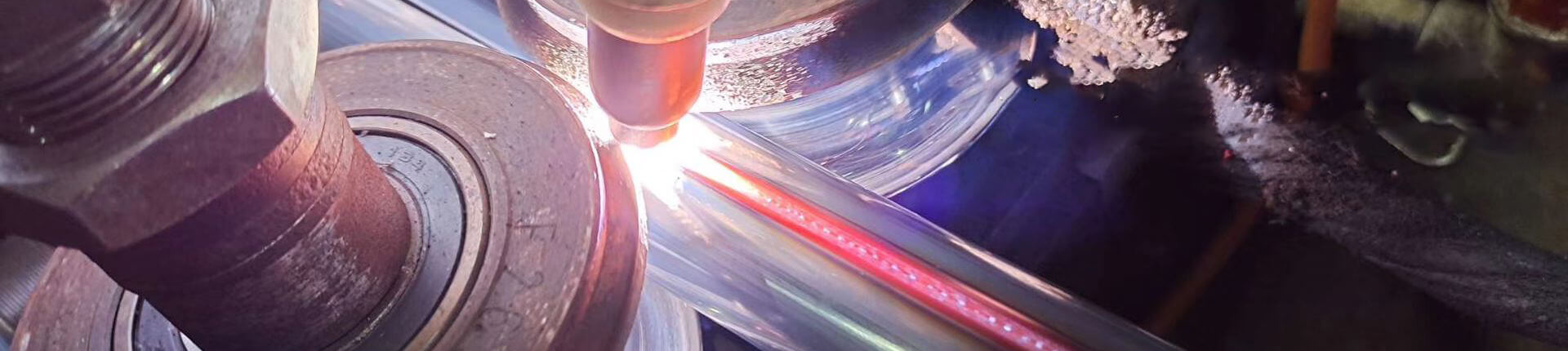


For stainless steel welded tube manufacturers, quality assurance (QA) isn’t merely a technical requirement. Instead, it forms the bedrock of dependability and confidence. By emphasizing QA early, producers can avoid expensive mistakes. They also cut down on material waste and skip unnecessary fixes. Quality control plays a key role in making welded pipes. It keeps things steady, trustworthy, and secure. Starting with proper materials and methods helps limit errors and breakdowns later.
Steady results in size, toughness, and outer look come from solid QA steps. Accurate sizes make sure the welded tubes match well in bigger setups. This prevents leaks or fitting problems. Exact measurements matter a lot for good joining or blending into larger systems.
Above all, effective QA fosters reliability. Buyers in fields like food handling, building, and chemical production count on items that work well under stress or tough settings. Companies that put money into QA gain a name for supplying reliable and tough stainless steel welded tubes.
A strong QA setup spots issues like splits, fragile welds, or size mismatches soon in the making process. Methods like ultrasonic checks, X-ray scans, and magnetic particle exams find and remove these problems.
People pick stainless steel tubes for their rust resistance and solid build. Types such as 304 and 316L stand out for great lasting power. 304 stainless steel pipes rank among the top stainless steel items. They offer strong rust resistance, solid strength, and flexibility. QA steps confirm these traits hold up over time. They do this by checking chemical makeup, physical features, and outer coatings.
In vital uses—like support frames or chemical lines—item breakdowns can cause huge damage. Quality control steps lower the chance of tube breaks, spills, and mishaps. Thus, they protect workers, buildings, and nature. So, putting effort into quality assurance acts as a forward-thinking way to secure ongoing safety.
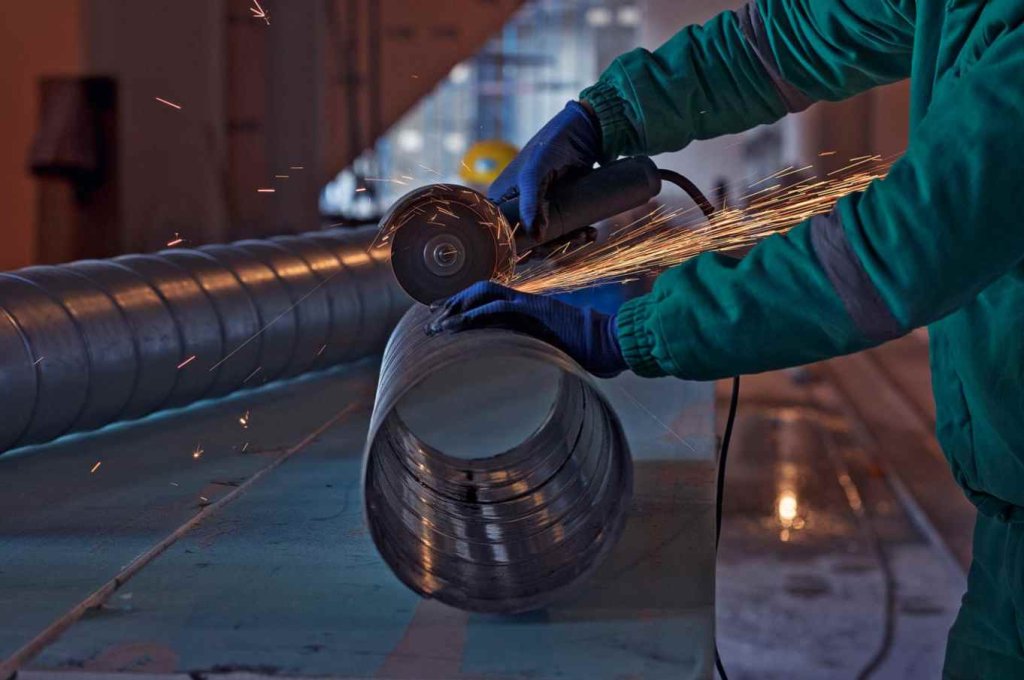
Checks begin with a basic visual review. Visual inspection serves as the simplest form of quality control. It means looking closely at welded spots for outer flaws, breaks, holes, and other issues. Trained experts use aids like lenses or scopes to spot clear problems.
Then follows size checking. Dimensional inspections use exact tools to confirm outer width, wall depth, length, and other main sizes of welded pipes. This part makes sure every tube hits its set limits.
Non-destructive testing (NDT) forms a vital part. Non-destructive testing helps find hidden and outer flaws in welded pipes without harm. It guarantees the strength and steadiness of the pipes. Ways like ultrasonic testing or eddy current testing uncover inner issues not seen by eye. Yet, these could weaken tube function.
These checks hold a crucial spot in upholding top production levels. They spot flaws before items go to buyers. With quality control steps, producers can carefully review and confirm the sizes of welded pipes. This ensures they fit the needed limits.
Non-destructive approaches like ultrasonic or radiographic testing let producers check weld strength without harm to the item. NDT methods are used to identify surface cracks, internal defects, weld imperfections, and discontinuities that may compromise the pipe’s integrity.
Just as key, each check step gets recorded for tracking. Proper documentation of quality control processes, inspection results, and test reports provides evidence of compliance and serves as a reference for future audits. Such records aid in meeting audit needs and boost buyer trust.
When sourcing stainless steel welded tubes—for food-safe gear or support frames—buyers want steady output. QA makes sure these tubes handle tough spots like high force or wild heat.
Items that face strict QA often need less upkeep. Rust-proof types like 304 or 201 aim to slow wear over time. Stainless steel has good corrosion resistance and is able to resist the erosion of many chemicals, making it suitable for various corrosive environments. This leads to fewer stops and smaller repair bills.
Sectors like food handling or medical making allow no room for dirt or breakdowns. Top-grade stainless steel tubes bring calm in such risky uses.
Yes. Starting with quality cuts down on item faults and swap needs. By making high-quality pipes with few flaws and breaks, producers can lower claim requests, work halts, and linked expenses.
Fewer flaw levels mean less buyer returns and smaller spends on post-sale help or swaps. Long-wearing tubes also trim total job costs. They do this by cutting stoppages from fixes or upkeep breaks.
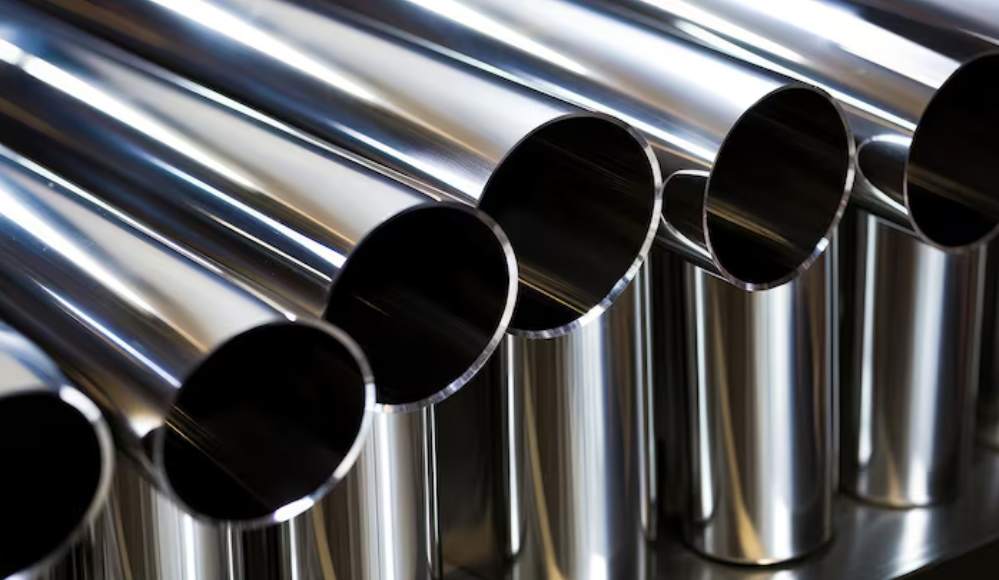
Ignoring QA brings grave results. Build failures from bad welds or uneven sizes can cause spills or even falls in high-force setups.
Welding flaws such as poor bonding, holes, splits, or bits inside can weaken the build strength and physical traits of the pipe. Such issues not only risk gear harm but might also hurt folks near these setups.
Reputation harm counts too. One bad lot could undo years of brand faith. Plus, producers might face court issues if low-grade tubes spark accidents or harms.
At YUHUA, we know quality isn’t a choice. It shapes who we are. Since starting in 2009 in Foshan City’s Nanhai District, we’ve placed quality assurance at the heart of our work.
We stick to firm rules in every production phase. Our stainless steel welded tubes face full visual reviews, exact size checks, and modern non-destructive testing ways like eddy current testing. Eddy current testing for weld integrity. Full material traceability. Mill test certificates provided—these aren’t just features; they’re promises to our clients.
Our drive for top work has brought us ISO 9001 approval and country-wide praise as a tech-forward firm. Whether for factory piping or decor support tubing, our aim stays simple: supply stainless steel tubes that go beyond hopes.
Our stainless steel round pipes work well for build uses, rails, exhaust setups, fluid lines, and factory gear. For instance, our 316 stainless steel pipe is a hollow long round steel, widely used in petroleum, chemical, medical, food pipelines and mechanical structural components.
Great for design jobs, furniture bases, or tough machine parts—our square and rectangular tubes come in many sizes with options for finishes. Stainless steel square pipe is a hollow long strip of steel widely used in the manufacture of mechanical parts and engineering structures.
We provide fitted answers based on your job plans or needs. With our top-notch plant and skilled engineers, we offer more than pipes. We bring fix-solving skills.
A: Quality control focuses on identifying defects after production, while quality assurance is a proactive approach that ensures processes are designed to prevent defects from occurring.
A: Check for certifications like ASTM, ISO, or EN standards on the product or request test reports from the manufacturer showing compliance with these guidelines.
A: Not all are equally resistant—corrosion resistance depends on the grade of stainless steel used (e.g., 304 vs 316) and whether proper surface treatments have been applied during production.
 Address: Muyuan Industrial Zone, Shishan Town, Nanhai District, Foshan City, Guangdong Province
 Call us now:+86 13751499396
 Email:546980277@qq.com


Foshan Nanhai Yuhua Hardware Products Co., Ltd.佛山市南海誉华五金制品有限公司