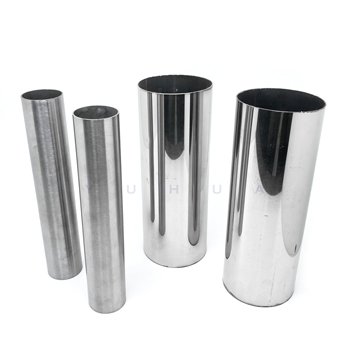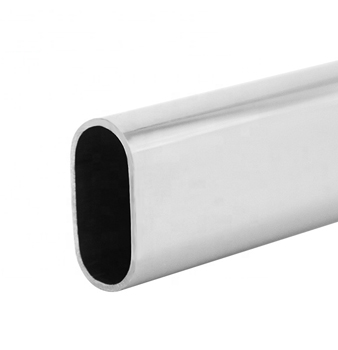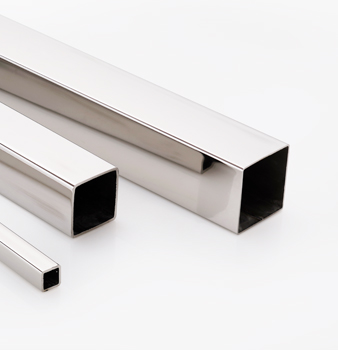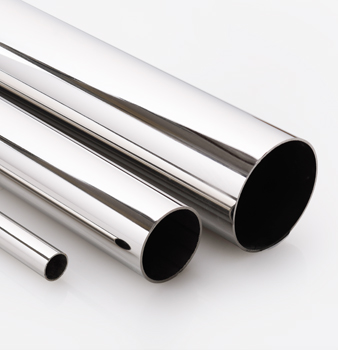


Navigating industrial piping procurement requires a precise understanding of material metallurgy, environmental stressors, and long-term maintenance budgets. Selecting the optimal alloy for a piping infrastructure project directly impacts operational safety and total cost of ownership. This application matrix provides an engineering and procurement framework to help decision-makers evaluate the operational limits and functional benefits of two dominant austenitic alloys.

Buyers and engineers need to look at physical needs and chemical exposure first. Only then should they pick a pipe grade. Both metals have a similar basic austenitic makeup but their specific chemical recipes set different limits on how well they perform.
The main difference between these two metals is their chemical composition from the factory. The popular 304 grade contains about 18 percent chromium and 8 percent nickel. This exact mix creates a strong oxide layer on the outside. That layer protects the pipe from normal rust and light chemical contact.
On the other hand, the 316L type adds a very important element. Its mix includes 16.0 to 18.0 percent chromium and 10.0 to 14.0 percent nickel. It also adds 2.0 to 3.0 percent molybdenum. Adding molybdenum changes the metal completely. It greatly boosts the pipe’s ability to fight off pitting and crevice corrosion in tough places. Also, the highest carbon level in 316L is kept at 0.03 percent. The standard 304 grade allows carbon levels up to 0.08 percent.
Material acquisition costs represent only a fraction of a piping network’s lifecycle expense. 304 round pipe is highly cost-effective and remains the preferred choice for general commercial applications where exposure to aggressive corrosives is minimal. It delivers excellent mechanical strength, featuring a tensile strength of at least 515 MPa and a yield strength of at least 205 MPa.
Specifying the molybdenum-enriched alternative requires a higher initial capital investment. However, for projects deployed in aggressive environments, this premium eliminates the recurring costs of premature pipe degradation, frequent maintenance shutdowns, and replacement labor. Procurement departments must weigh this initial price variance against the anticipated environmental exposure to achieve genuine cost efficiency.
Picking the right steel tube depends fully on the liquids flowing inside. It also depends on the weather and air conditions outside the system.
Coastal buildings, offshore rigs, and water treatment plants work in air filled with sea salt. In these places, basic 18/8 metals are very prone to spot rusting. This kind of attack can quickly ruin the strength of the metal.
For salt-rich environments, specifying a molybdenum-alloyed material is non-negotiable. The enhanced chemical matrix resists chloride-induced degradation, making it the industry standard for marine industry projects. This enhanced resilience ensures continuous operation in offshore rigs and coastal fluid transport networks without catastrophic failure.
Clean processing areas need metals that will not leak harmful particles. They also must not break down during strict washing routines. The 304 metal works well for making, storing, and moving basic foods and drinks. Its smooth finish stops dirt from sticking, making it very simple to wash.
Making medicines, however, needs a much higher level of cleanliness. Very pure medical processes require the strong chemical balance found in molybdenum-added metal. This keeps the pipes safe and stable. They will not react when washed with strong cleaning chemicals, tough solvents, or very hot water.
Thermal fluctuations heavily influence material selection. The 304 grade maintains its physical characteristics and strength levels exceptionally well, even without decreasing at low temperatures. It provides high temperature tolerance alongside its reliable baseline corrosion defense.
For operations involving higher temperatures combined with acidic or alkaline solutions, the upgraded 316L matrix demonstrates superior stability. It retains a minimum tensile strength of 485 MPa and a yield strength of 170 MPa. This makes it highly capable of managing extreme thermal stress while concurrently repelling corrosive chemical attacks.

Fabrication techniques and joint integrity are primary concerns when constructing complex fluid transport networks. The metallurgical behavior of the alloy during the welding process dictates the longevity of the entire system.
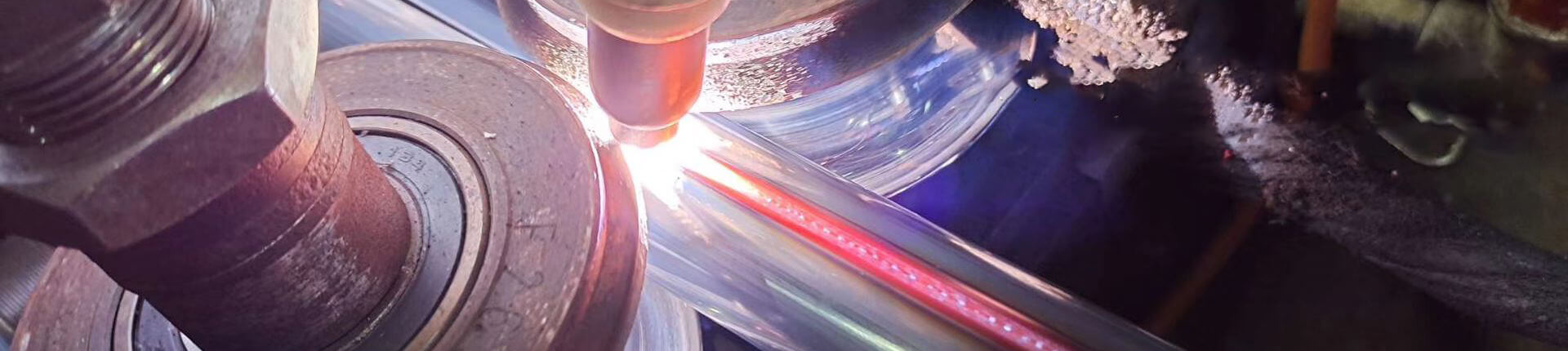
Heavy welding puts extreme heat on standard austenitic steel. This heat makes carbon atoms link up with chromium. This causes carbide to form right at the weld joints. This process uses up the chromium needed to fight rust. It creates a weak spot in the metal known as intergranular corrosion.
The letter L means the carbon level is strictly limited. It contains no more than 0.03 percent carbon. This tiny amount of carbon greatly lowers the chance of carbide forming during tough welding jobs. Because of this, thick welded parts keep their full rust protection near the hot areas. They do not need extra heat treatments after the welding is done.
Beyond chemical grades, engineers must select the appropriate manufacturing method. Seamless tubes are extruded without a longitudinal seam, providing uniform strength perfectly suited for high-pressure industrial applications. They eliminate the risk of weld failure under extreme internal stress.
On the other hand, welded pipes offer great shape accuracy. They save money for building structures and moving low-pressure liquids and are also good for building designs. Both pipe styles follow strict global rules. These include ASTM A312, ASTM A269, and ASME SA312. This ensures they work safely across many different fields.

Steady metal quality and exact factory sizes are the basis of safe industrial building. Working with a focused factory ensures good results. It guarantees that every single foot of pipe meets strict engineering rules.
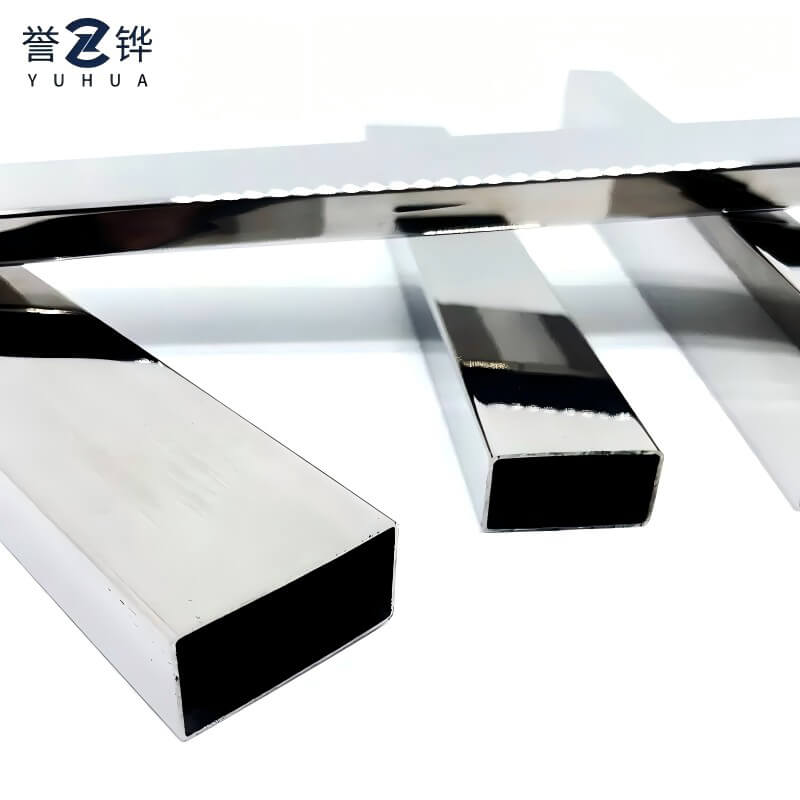
Surface topography directly impacts both hygiene and oxidation resistance. Microscopic crevices can trap chlorides and contaminants, accelerating localized degradation. YUHUA delivers precision surface finishes, including options for annealed, polished, brushed, or matte textures. The precise annealing process enhances structural integrity and provides a uniform, smooth surface that facilitates superior welding. For polished variants, the surface finish achieves a precise roughness average of Ra ≤ 0.8μm.
Verifiable quality assurance is a mandatory requirement for modern procurement. YUHUA operates under ISO 9001 certification and enforces strict tolerance controls. Every tubular component undergoes comprehensive eddy current testing to guarantee weld integrity. Procurement managers receive full material traceability and corresponding mill test certificates with their shipments, confirming precise chemical compositions and mechanical properties before installation.
A: Yes. Picking the metal with extra molybdenum is highly advised for coastal and offshore projects. Constant contact with salty ocean air and direct seawater ruins standard metals very fast. It causes deep pits and cracks. The initial price premium of the upgraded material is easily justified by preventing rapid infrastructure failure, eliminating costly emergency replacements and minimizing operational downtime in harsh marine sectors.
A: Carbon levels directly change how strong a weld joint will be. Standard metals have more carbon. This can cause bad chromium reactions when hit by welding heat. It leaves the joint open to spot rust. The low carbon mix keeps carbon strictly under 0.03 percent. This stops the bad reactions from happening. Because of this, building teams can weld thick pieces safely. They do not need to do hard heat treatments later to bring back the metal’s rust shield.
A: The 316L metal is the best pick for networks moving strong acids, bases, and solvents at high heat. Standard grades deal with normal heat stress just fine. However, they lack the chemical toughness needed for harsh factory liquids. The extra molybdenum keeps the pipe system physically safe. It keeps the metal from reacting to the chemicals. This makes it the top choice for oil and medicine factories.
A: An exceptionally smooth surface significantly limits the microscopic imperfections where corrosive chlorides and moisture can accumulate. A highly polished or precisely annealed surface maximizes the efficiency of the natural passive oxide layer on both alloy types. YUHUA provides advanced surface treatments that elevate the natural defensive properties of the metal, though the underlying chemical composition of the alloy remains the primary factor in determining overall environmental resistance.
A: Seamless tubing is manufactured by drawing a solid billet over a piercing rod, creating a uniform cylinder completely free of longitudinal weld joints. This structural uniformity makes seamless variants ideal for critical, high-pressure fluid transportation. Welded tubing is formed by rolling flat steel strip and welding the seam, which is a highly cost-effective process ideal for general construction, decorative architecture, and moderate-pressure applications.
 Address: Muyuan Industrial Zone, Shishan Town, Nanhai District, Foshan City, Guangdong Province
 Call us now:+86 13751499396
 Email:546980277@qq.com


Foshan Nanhai Yuhua Hardware Products Co., Ltd.佛山市南海誉华五金制品有限公司