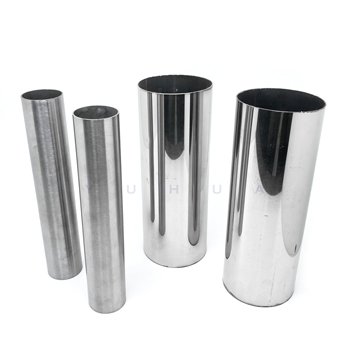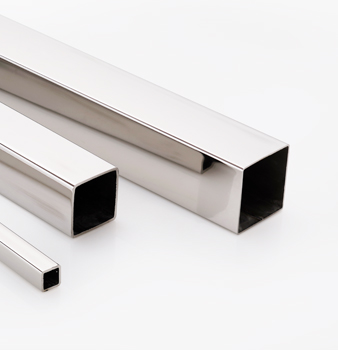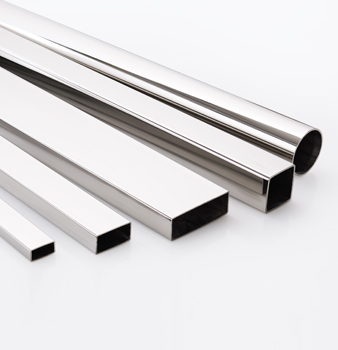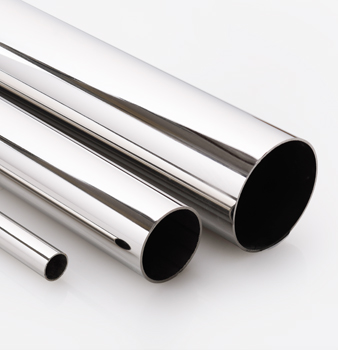


Industrial piping networks rely heavily on precise material selection to maintain operational safety and fluid transport efficiency. Selecting the correct metal cylinder involves evaluating environmental stressors, internal pressure demands, and strict budget constraints. This comprehensive manual assists procurement managers and project engineers in navigating the complexities of metallurgical grades, fabrication methods, dimensional specifications, and surface treatments to ensure optimal system performance and minimize long-term maintenance costs.

The basic success of any metal fluid system starts with its chemical makeup. Choosing the proper metal mix prevents early wear. It also prevents system breakdowns.
Grade 304 represents the most widely utilized chromium-nickel alloy in global industrial applications. The chemical makeup typically features 18 to 20 percent chromium and 8 to 10.5 percent nickel. This specific formulation provides excellent resistance against oxidation and corrosion across numerous standard environments. Components manufactured from this material exhibit high tensile strength, generally exceeding 515 MPa, alongside a yield strength of at least 205 MPa. Engineers frequently specify this grade for food processing facilities, architectural frameworks, and general plumbing systems due to its reliability and cost-effectiveness. The metal retains its physical strength even at low temperatures and remains largely unaffected by common atmospheric acids or alkalis.
| Element | Composition Percentage |
| Chromium | 18.0 to 20.0 percent |
| Nickel | 8.0 to 10.5 percent |
| Carbon | Maximum 0.08 percent |
Projects situated in aggressive environments demand enhanced metallurgical properties. The 316L variant incorporates 2.0 to 3.0 percent molybdenum into its 16.0 to 18.0 percent chromium and 10.0 to 14.0 percent nickel matrix. This precise addition significantly improves resistance to pitting and crevice corrosion, particularly against chlorides and highly acidic solutions. Furthermore, the low carbon content, kept strictly below 0.03 percent, minimizes carbide precipitation during welding procedures. This characteristic ensures superior weldability and maintains structural integrity in harsh conditions. Procurement teams commonly route these heavy-duty pipes into marine shipbuilding, offshore desalination plants, pharmaceutical manufacturing, and chemical processing facilities.
| Property | Measurement Value |
| Tensile Strength | Minimum 485 MPa |
| Yield Strength | Minimum 170 MPa |
| Elongation | Minimum 40 percent |
The fabrication technique directly dictates the pressure limits and budget allocation of the final piping network. Understanding how the metal is formed helps buyers balance safety requirements against capital expenditure.
Seamless tubes are pushed out from a solid steel block. This makes a smooth wall without any long weld lines. This even build removes weak spots. Therefore, seamless pipes are great for high-pressure jobs. Industrial fields handling unstable chemicals or hydraulic systems need them. Extreme temperature changes also call for the high burst pressure ratings found in seamless builds. The making cost is higher than other options. However, the long-term trust in vital systems makes the initial cost worth it. Purchasing managers favor these types to prevent fluid leaks under high working stress.
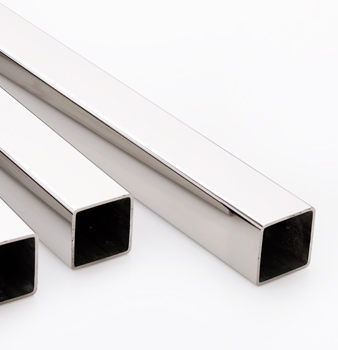
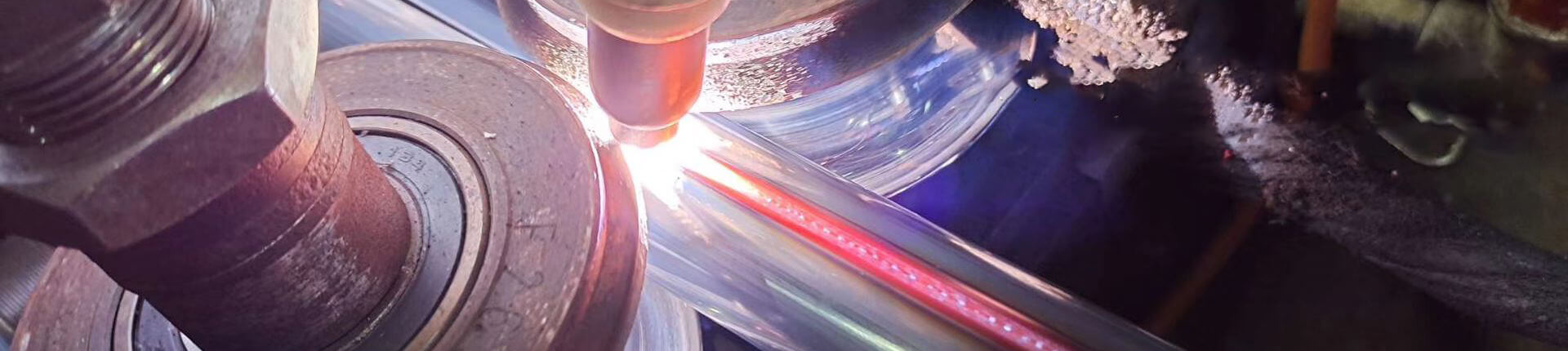
Electric Resistance Welding and Tungsten Inert Gas welding methods have grown a lot. They now make very reliable seamed parts. Welded tubes are built by rolling metal sheets and connecting the edges. This offers a very budget-friendly choice for everyday use. These parts are made with care for building, decoration, and frame jobs. In these cases, extreme inside pressure is not the main worry. Workplaces often use welded types for handrails and car exhaust systems. They also work well for low-pressure fluid lines. Modern making methods make sure the weld line is almost unseen. This gives a great, smooth look for visible decorative parts.
Size exactness is strictly needed for system matching and correct fluid flow calculations. Picking the right physical size promises smooth fitting with current valves and joining parts.
Exact measuring details guide the setup process. Makers can create outer diameters spanning widely from 6 mm up to 630 mm. This meets many different flow needs. Wall thickness choices are just as flexible. They usually range from 0.5 mm to 25 mm. Strict factory checks ensure size limits stay tightly controlled. For example, they keep plus or minus 10 percent on wall thickness. They also hold plus or minus 0.2 mm on the total diameter. Normal lengths go from 1 meter to 12 meters. This lets builders reduce joining spots over long physical spaces.
The schedule rating acts as an industry standard for correlating wall thickness with internal pressure capacity. Facilities can procure components across various schedules, including Sch 5, Sch 10, and Sch 40, to precisely match their operational demands. A schedule 40 thickness configuration will significantly exceed the pressure containment limits of a schedule 5 counterpart of the exact same outer diameter due to the heavier metal mass. Selecting the appropriate schedule ensures that the piping network can safely transport heavy fluids without risking mechanical failure or overspending on unnecessary structural metal weight.
Surface care affects both the good looks and the working cleanliness of the setup. The proper outside finish makes the metal last longer. It does this by clearing tiny scratches where rusting agents gather.
Newly formed tubes typically emerge with a standard mill finish, characterized by an unpolished appearance suitable for concealed industrial operations. Conversely, exposed installations often require refined surface characteristics. Workplaces can ask for different treatments. These include annealing, pickling, sandblasting, or bright polishing. Polished surfaces give a top-quality look that resists scratches. They are very pleasing to the eye. This makes them perfect for visible building parts. Special polishing can reach a surface roughness score of Ra less than or equal to 0.8 micrometers. This ensures a very even and smooth outside shape.
Different sectors mandate specific exterior textures to maintain operational compliance. The food and beverage sector, alongside pharmaceutical manufacturing, demands ultra-smooth finishes to prevent bacterial accumulation and facilitate intensive cleaning protocols. In contrast, fancy building projects often use brushed or matte finishes for a strong visual effect. Stainless steel has a natural metal shine. This boosts the beauty of modern building fronts and indoor furniture frames. It also works well for display setups. Clean surfaces are less likely to soak up dust and dirt. This greatly cuts down daily upkeep work and makes the whole place cleaner.

Getting metal parts requires strict checking of metal soundness and factory rules. Buyers must focus on sellers who can give clear test data and tracked papers.
Clear papers prove the safety of any business project. Trusted mills offer full certificates. These track the exact chemical mix and physical traits. They also show heat numbers of the sent batch. Buyers should always secure a Mill Test Certificate alongside ISO, BV, and SGS inspection reports to confirm the structural integrity of their purchase. Traceability ensures that if a component fails under pressure, engineers can isolate the specific manufacturing batch for rapid replacement and ongoing safety audits.
Modern manufacturing relies a lot on advanced testing methods. These find tiny faults before the tubes are used. Manufacturers use strict eddy current testing. This checks weld strength along the whole length of the tube. Also, hydrostatic pressure testing is often done. This makes sure the cylinder can hold peak working loads without leaking or breaking. These safe testing rules promise long-lasting results in busy business spaces. They are also vital in dangerous factory settings where material breaks are simply not allowed.
Reliable supply chains depend on strategic manufacturing partnerships. YUHUA manufactures metallic transport solutions in strict accordance with global industrial codes, including ASTM A554, ASTM A312, ASTM A269, and ASME SA312 standards. The production ecosystem is fully certified for quality and performance under ISO 9001 and PED compliance guidelines. By maintaining strict dimensional tolerance control and implementing surface quality inspections for each piece, we deliver superior stainless steel tubes designed to outlast harsh industrial conditions while maintaining highly competitive pricing structures for bulk procurement programs.
A: The choice relies mostly on your system’s working pressure and budget limits. Seamless tubes do not have a long weld line. This lets them hold much higher working pressures. Because of this, they are perfect for vital chemical and hydraulic jobs. Welded parts save a lot of money. They offer great roundness and fit perfectly for building frames, design details, and lower-pressure fluid lines.
A: The 304 alloy is very useful. However, it is still susceptible to pitting from chlorides found in ocean water and heavy factory salts. For marine, coastal, or high-chloride factory areas, moving up to a 316L alloy is strongly advised. This is because of its molybdenum content. This specifically fights chloride damage and frame rot over long periods of use.
A: Standard sizes follow set size rules. This ensures global matching for ready-made fittings and valves. However, special making or unique building projects often need custom sizes. Buyers can get custom outer diameters going from 6 millimeters to 630 millimeters. They can also get unique wall thicknesses to meet exact math and frame needs.
A: A better surface finish, like an annealed or polished finish, greatly reduces tiny cracks. These are places where dirt and rusting agents can build up. A smooth, polished surface fights scratches and is very easy to clean. This makes high-grade finishes a must for clean food handling tools. They are also highly recommended for visible building parts that need long-term beauty with little care.
A: A trusted maker should give full inspection papers with every big order. This normally includes a Mill Test Certificate. This shows the exact chemical composition and tensile strength. Furthermore, buyers should request proof of eddy current testing for weld integrity and hydrostatic pressure testing to guarantee the material meets all specified international safety standards and compliance codes.
 Address: Muyuan Industrial Zone, Shishan Town, Nanhai District, Foshan City, Guangdong Province
 Call us now:+86 13751499396
 Email:546980277@qq.com


Foshan Nanhai Yuhua Hardware Products Co., Ltd.佛山市南海誉华五金制品有限公司