

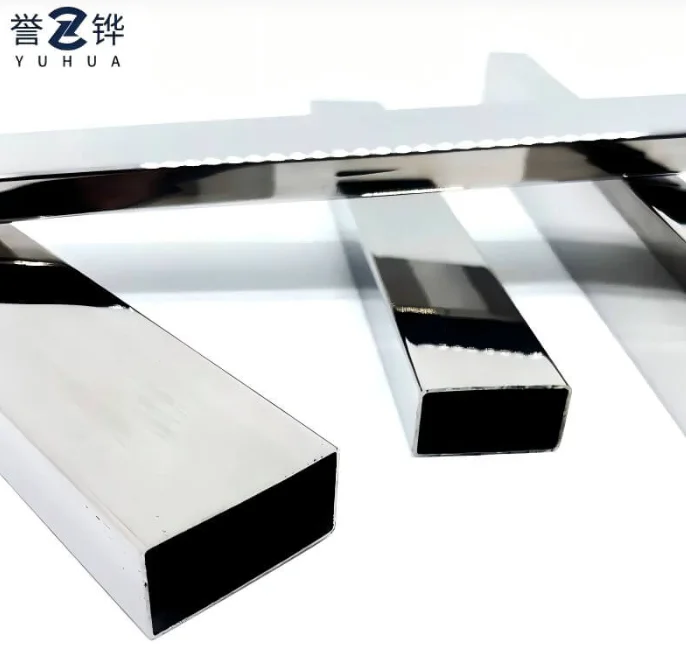
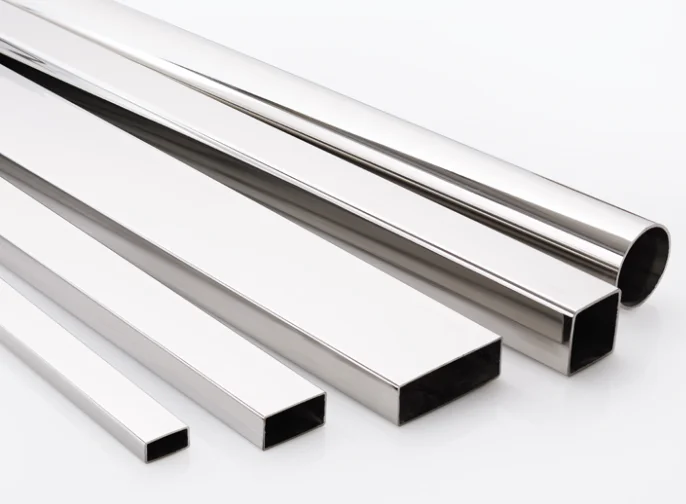
Rectangular steel pipes form a key part of modern structural and design engineering. These pipes offer a good balance between mechanical function and visual appeal. The shape allows engineers to better control the load spread. At the same time, architects gain clean, simple lines that match current styles.
Rectangular profiles provide better torsional resistance than round types because of flat sides and even wall depth. This shape boosts side stability and steady change under pressure. Such features prove vital for weight-holding uses like facade supports or factory frames. Flat areas make it easier to attach panels, glass, or fittings. Assembly goes quicker and alignment stays even.
The stainless steel rectangular pipe serves as a type of hollow long steel. People use this pipe widely as a line for moving fluids like oil, natural gas, water, gas, steam, and more. In addition, when the bend and twist strength match, the weight becomes lighter. For this reason, makers apply the pipe broadly in building mechanical parts and engineering structures. This built-in strength-to-weight benefit makes rectangular sections a top pick where firmness needs to hold without extra bulk.
The rectangular shape aids tight setups in modern building designs by fitting well into narrow spots or lining up against walls. In high-end architecture, such as curtain walls or glass halls, clean flat sides blend smoothly with glass and stone. The outcome yields a subtle frame that holds heavy weights yet keeps views clear. Designers commonly match these tubes with aluminum panels or brushed metal looks to improve room flow and spread light evenly over surfaces.
Rectangular stainless steel pipes work in various fields that require exact engineering and lasting reliability. Adaptability lets these pipes connect factory purpose with building shape.
In building settings, people use these pipes often in curtain wall bases, upscale stair rails, or big glass covers where power and grace both matter. Pipes deliver firm backing without blocking lines of sight. This aspect counts heavily for public buildings or business hubs that stress openness. 304 Stainless Steel Pipes stand as one of the most common stainless steel items, recognized for strong rust protection, solid build, and wide use. These traits fit exposed setups well, where weather strength matters as much as design flow.
In factory machine production, such as food lines or chip tools, rectangular tubes create stiff frames that fight shakes in ongoing work. Flat spots for mounting ease, exact setup of sensors or belts, while keeping the size steady during heat changes.
Rectangular stainless steel pipes appear in business interiors too, from office desk stands to flexible show setups. Metal shine pairs nicely with glass shelves or stone tops while holding mechanical soundness in everyday handling. Designers value the capacity to mix use with art, forming shaped but tough pieces in store areas or public art spots.
Picking the correct grade sets how well rectangular pipes handle certain settings, from indoor decor to sea contact.
ASTM A554 SUS304 stainless steel acts as a strong material noted for solid rust protection, endurance, and a pleasing look. High chromium-nickel mix blocks oxidation while keeping good bend ease for curve or weld tasks. For indoor furniture bases needing mirror shine or brushed feels, 304/304L holds as the main choice due to low care demands in managed indoor settings.
For shore projects or chemical sites open to salt-heavy air or acid fumes, molybdenum-boosted 316L offers top guard against spot rust. Low-carbon makeup stops carbide buildup in welds, saving weld soundness even after years near salt water.
Budget-conscious projects often rely on 201-grade stainless steel rectangular tubing—a cost-effective yet visually appealing alternative that retains hardness and surface brilliance.
YUHUA’s production philosophy emphasizes measurable quality parameters rather than abstract claims. YUHUA was established in 2009 in Nanhai District, Foshan City, as one of China’s top stainless steel outfits. The company specializes in manufacturing all major stainless steel grades using advanced forming lines backed by ISO 9001 certification.
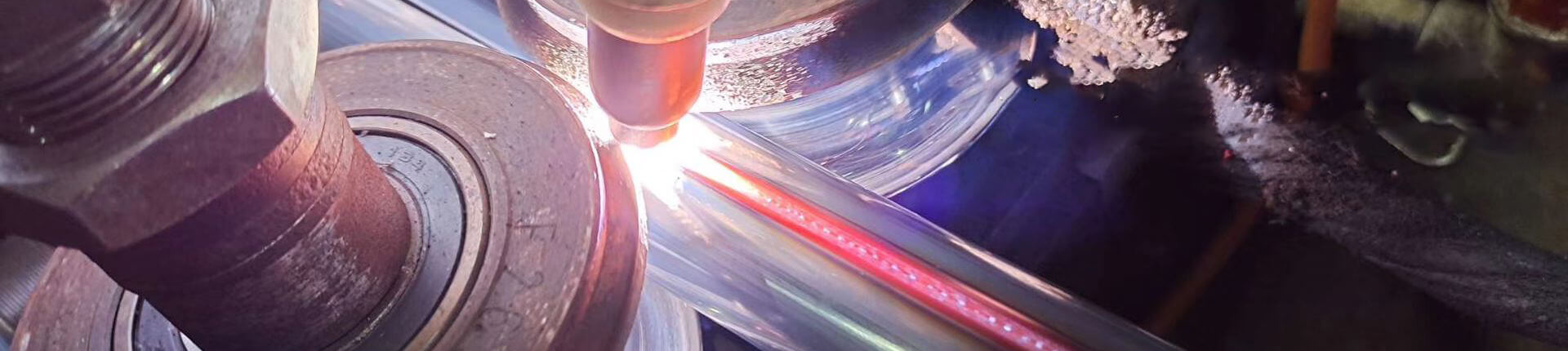
Surface work shapes touch, feel, and light effect. The tubes undergo a precise annealing process that enhances corrosion resistance, improves structural integrity, provides a uniform, smooth surface, and facilitates better welding. Each finish gets a check for evenness before packing, fulfilling maker needs for shine clearness over full batches.
All YUHUA rectangular pipes comply fully with ISO 9001 international standards; backed by ten national patents and Sedex certification. High inventory capacity supports rapid delivery cycles across Asia-Pacific export markets, where consistent supply reliability drives long-term partnerships.
Durability shapes green value not only through lifespan but also through lower care work over time, a main point in full cost review.
Smooth stainless faces push away dust buildup while holding off marks from damp or air dirt. The stainless steel surface is smooth and clean, not easy to absorb dust and dirt, and is easy to clean and maintain. This quality cuts clean times in business spots like airports or malls, where care breaks lead directly to cost savings.
Every kilogram of stainless steel can be recycled indefinitely without loss of metallurgical properties, a feature aligning perfectly with LEED-certified building goals. By integrating recyclable materials into design specifications early on, architects contribute directly to lowering embodied carbon footprints while maintaining premium aesthetics, a concept increasingly referred to as “sustainable luxury.”
YUHUA invites collaboration across disciplines, from structural engineers seeking tolerance-controlled tubing to designers exploring new surface textures.
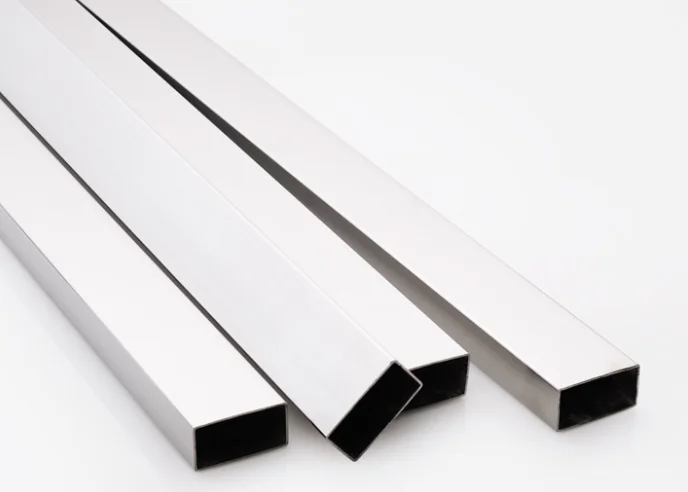
Clients can request custom samples demonstrating varied finishes like mirror polish versus brushed texture alongside comparative weld seam treatments. We’ve got our own factory line and a skilled team of engineers. This helps us whip up custom products for customers. Tailored consultations help select appropriate grades, 304L indoors versus 316L outdoors, based on environmental exposure profiles. Procurement teams benefit from streamlined quotation processes supported by multilingual technical staff capable of guiding projects from concept validation through final logistics coordination.
A: Rectangular profiles distribute transverse loads more uniformly across flat sides while simplifying panel alignment, ideal when mechanical stability meets architectural precision requirements.
A: Yes, its molybdenum content significantly increases chloride corrosion resistance compared with 304-grade alloys.
A: Their smooth weld seams prevent bacterial accumulation; combined with dimensional accuracy, they satisfy hygiene codes common in food machinery.
 Address: Muyuan Industrial Zone, Shishan Town, Nanhai District, Foshan City, Guangdong Province
 Call us now:+86 13751499396
 Email:546980277@qq.com


Foshan Nanhai Yuhua Hardware Products Co., Ltd.佛山市南海誉华五金制品有限公司