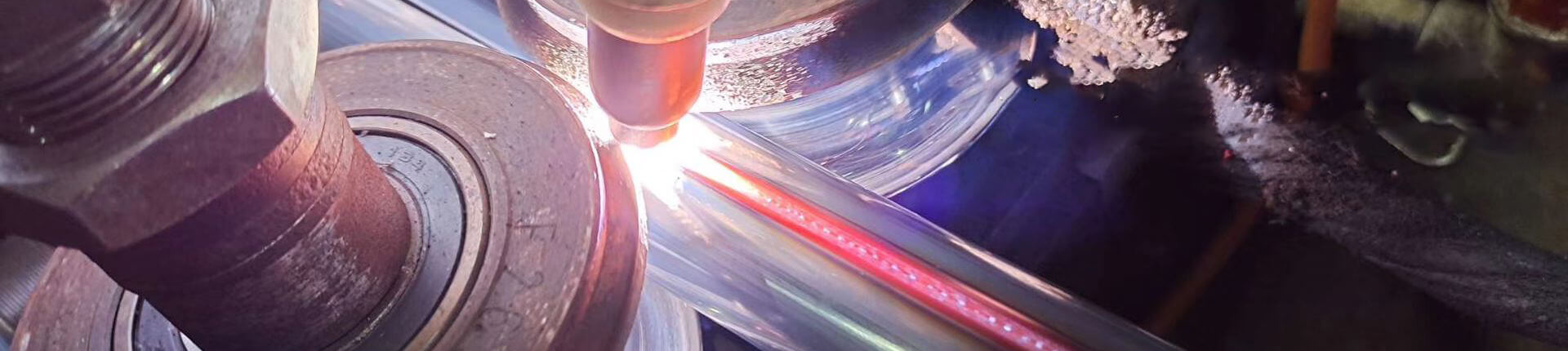


Stainless steel often gets praised for its strong resistance to corrosion. Yet, many people feel confused when their 201 stainless steel starts to display signs of rust. This issue happens quite often. It arises from both the material’s makeup and surrounding conditions. The next parts explain why 201 stainless steel rusts. They point out five typical reasons. Plus, they offer useful tips to fight rust and make it last longer.
Stainless steel is designed to fight oxidation well. However, not every type works the same in all situations. The ability of 201 stainless steel to resist corrosion relies mainly on its chemical makeup. It also depends on the setting where it gets used.
The shielding power of stainless steel comes from a slim chromium oxide layer. This layer stops oxygen from touching the metal below. But 201 stainless steel has less nickel than better types like 304. That lower amount weakens its skill to keep this protective layer in tough spots. Nickel helps steady the austenitic form. It also boosts resistance to corrosion. Meanwhile, chromium builds a self-repairing oxide layer. If something breaks this layer through physical or chemical action, rust can appear fast in damp or chloride-heavy places.
High moisture, salt mist, factory gases, and changes in temperature all raise the chance of corrosion. In areas by the sea, chloride bits break through the protective film. This starts pitting corrosion. Places with factories bring in sulfur dioxide or nitrogen oxides. These mix with water in the air to create acidic buildup on metal faces. Cleaning often helps clear away these leftovers. That way, they do not cause lasting harm.
| Coastal (High Chloride) | Very High | Apply protective coating |
| Industrial (Polluted Air) | High | Clean weekly with neutral detergent |
| Indoor Dry Area | Low | Clean monthly |
The ways items get made affect how well 201 stainless steel fights rust after setup. Wrong steps during building can add dirt or flaws to the surface. These weaken its protective cover.
Iron bits from cutting tools or carbon steel brushes often stick to the face of 201 stainless steel. They turn into starting spots for local corrosion once moisture hits. These outside bits rust more quickly than the stainless steel. They create reddish-brown marks that grow with time. The right passivation fixes this. It uses acid mixes that remove loose iron. Thus, it brings back the chromium-rich face needed to resist corrosion.
The finish on the surface matters a lot for lasting strength. Rough spots hold water and floating dirt more easily than smooth ones. If pickling does not finish well, it leaves welding scraps or heat color. These speed up corrosion. Even polishing makes things look better. It also cuts down tiny cracks where dirt builds up.
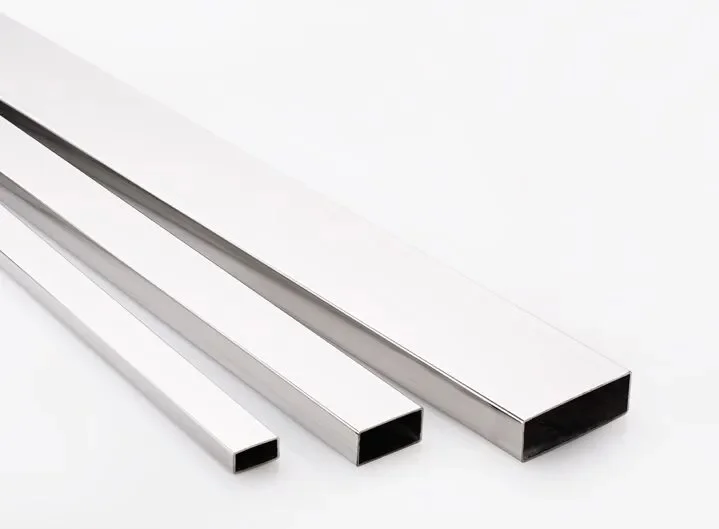
YUHUA 1.5-meter 20x20mm square tubes are manufactured from grade 304 stainless steel, offering superior corrosion resistance and durability. This shows how even finishes boost both looks and long-term work. That method works just as well on 201 stainless steel faces.
201 stainless steel gives a decent starting shield against oxidation. But skipping care lets dirt like salt buildup or cleaner leftovers harm its protective layer bit by bit.
Cleaners with chlorides that are too strong speed up rust instead of stopping it. Soft washing with soaps at neutral pH keeps the oxide layer safe. It also clears plant-based dirt that pulls in water. For items like kitchen tools or pretty fittings from 201 stainless steel, clean once a week in wet areas.
Putting on anti-corrosion covers like clear sealers adds another wall against rust makers, such as salty air or factory smoke. Parts need storage in dry spots with good air flow. Keep them far from carbon-steel tools to stop the mixing of dirt.
Stainless steel products are the preferred products in daily life because it has good corrosion resistance and is able to resist the erosion of many chemicals. Steady care builds on this built-in strength. It stops harm from the surroundings.
Spotting exact triggers lets users take aimed steps to stop corrosion on 201 stainless steel goods in building, furniture bases, or machine parts.
Scratches wipe away the protective layers from chromium oxide. They show the plain metal underneath. Even small scrapes can start rusting if not fixed soon. Repolish or passivate them to repair them.
Cross-contamination happens when carbon-steel tools touch 201 stainless steel. Iron bits get stuck in its face. These rust on their own over time.
Outdoor setups near oceans deal with steady chloride hits. This leads to pitting corrosion unless covered correctly.
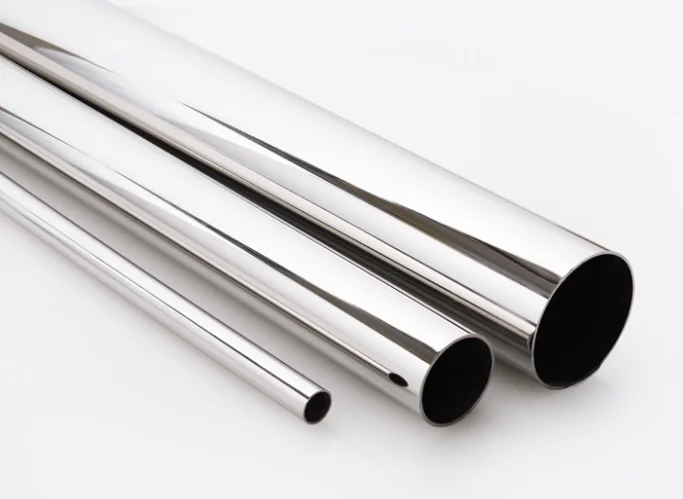
316L Stainless Steel Round Pipes are a top choice for industries requiring exceptional corrosion resistance. Their superior chloride tolerance demonstrates how alloy selection impacts longevity under similar conditions.
Abrasive pads scratch shiny finishes. Leftover soap bits might react with the metal face as it dries.
To make things last in use, from home goods to factory frames, prevention plans should center on finish quality. They also need to check routines and safety treatments.
Shiny mirror finishes cut dirt better than dull ones. They do this by lessening tiny bumps where water gathers. Electropolishing makes things even smoother up close. It suits clean tools or pretty boards in damp spots.
Normal checks spot color changes early. This stops deep pits from forming. Look extra at spots near welds or edges. Water stays there longer than on flat parts.
Clear sealers make unseen walls without changing how things look. Special wraps fit outdoor setups hit by rain or sea wind. This is common in shore building projects with 201 stainless steel rails or pipes.
Rust on 201 stainless steel comes from several reasons. These include limits in chemical makeup, contact with surroundings, dirt from making, physical harm, and poor care habits. By using good finish methods like electropolishing, keeping up cleaning times with mild mixes, storing items properly, and adding covers for wet zones, users can greatly improve lasting strength. This keeps the look intact over many years of use.
To ensure long-lasting durability and maintain the appearance of 201 stainless steel, it is essential to employ effective methods for preventing rust. This is where companies like YUHUA, with their expertise in producing high-quality anti-corrosion materials, play a crucial role. Established in 2009 in Nanhai District, Foshan City, YUHUA has earned ISO 9001 and Sedex certifications. Their certified processes reflect a strong commitment to producing materials that meet global performance standards, including ASTM A554 compliance, ensuring reliable and durable results in a variety of applications.
A: Residual iron particles from cutting tools may remain embedded during fabrication; these oxidize quickly once exposed outdoors. Cleaning with mild acid-based passivation agents removes such contaminants effectively before final installation stages.
A: Yes. Welding introduces heat-tint oxides that disrupt the uniformity of the passive layer; post-weld polishing restores smoothness and reduces localized corrosion risk, especially around joints exposed to condensation.
A: Transparent polymer-based coatings add extra defense against atmospheric chlorides without changing visual finish—ideal for balcony railings or garden fixtures near coastal regions where humidity levels remain high year-round.
A: Monthly cleaning using neutral pH detergents suffices indoors unless located near kitchens where grease accumulation occurs faster; avoid abrasive sponges, which scratch polished surfaces, leading eventually to dullness or minor rust marks.
A: YUHUA operates advanced production lines certified under ISO9001 standards with SGS testing compliance, ensuring consistent alloy composition control across batches—resulting in reliable anti-rust behavior even under demanding architectural conditions worldwide.
 Address: Muyuan Industrial Zone, Shishan Town, Nanhai District, Foshan City, Guangdong Province
 Call us now:+86 13751499396
 Email:546980277@qq.com


Foshan Nanhai Yuhua Hardware Products Co., Ltd.佛山市南海誉华五金制品有限公司