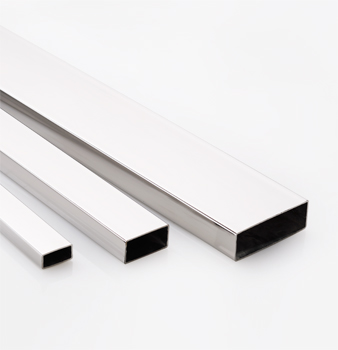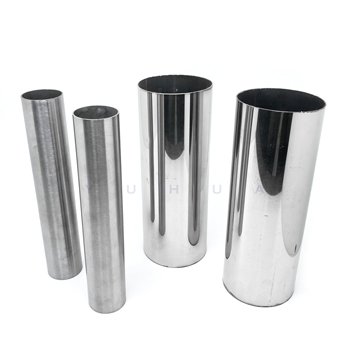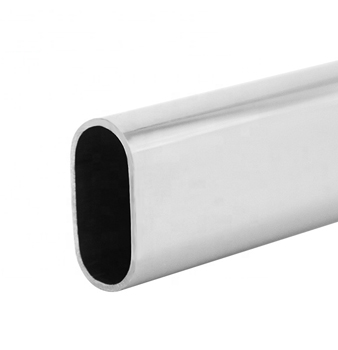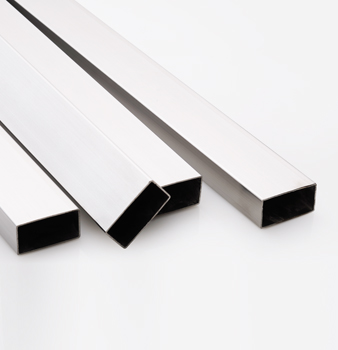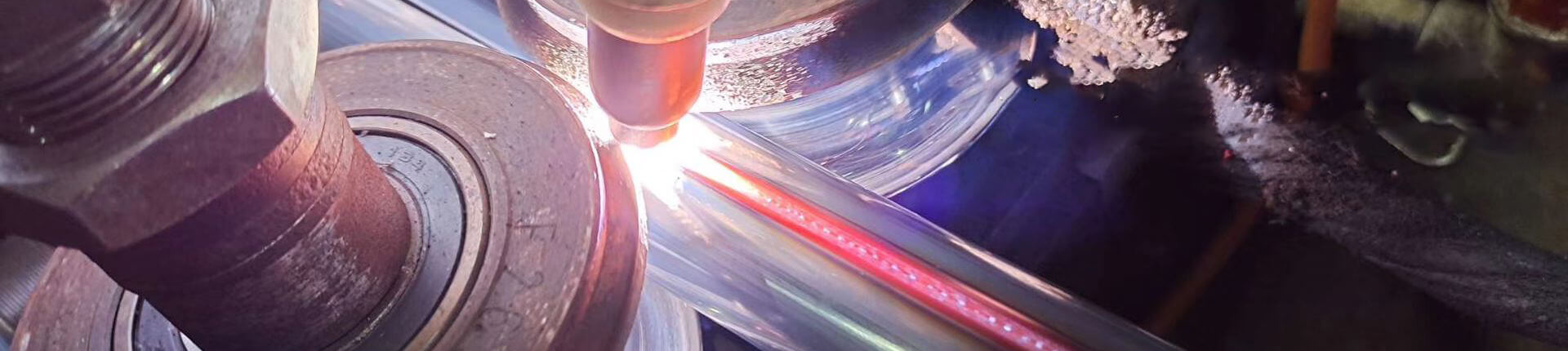


For projects that need strong, lasting performance and a clean metallic look, metal tubing offers a good choice. Stainless steel shows a metallic shine and attractive finish that works well for decoration and architectural fields. Beyond the visual quality, engineers design the material for tough applications. Stainless steel features high hardness and high strength. These qualities create good wear resistance and tensile resistance. The material fits many heavy-duty working conditions. This quality makes metal balustrades the first choice for industrial facilities, public transit stations, and exterior commercial walkways where safety and structural strength must stay firm. In addition, these metallic systems accept custom shapes. The shapes include round, square, and rectangular profiles to match exact design needs.
When architects and contractors design modern commercial spaces, visual appeal often stands as a main factor. Frameless glass systems deliver a contemporary style that increases natural light and creates clear sightlines to the nearby surroundings. These systems remain popular for premium residential balconies, corporate office atriums, and hospitality venues where an open and spacious feeling matters most. Glass supplies the see-through barrier. Hidden structural strength depends on metallic base shoes, standoffs, and top caps. The visual quality of glass stays clear. The material involves particular structural and upkeep factors. Procurement teams need to review these factors before they choose the material for big projects.
Budget limits affect material choices for commercial developments. Glass balustrades usually call for a larger initial outlay because of the production steps for tempered or laminated safety glass and the skilled work needed for accurate installation. Metal tubes often cost less in comparison. For example, 304 stainless steel pipes remain economical and dependable for different uses. For projects with limited budgets, 201 stainless steel costs less than 304 or 316 stainless steel. The grade still gives dependable service.
Return on investment depends on more than initial prices. The calculation includes the working life of the installed materials. Stainless steel shows good corrosion resistance and wear resistance, together with extended service life. This longer working life cuts down on repeated replacements or fixes. The reduction improves long-term return on investment for property owners and facility managers. The strong quality of these metallic structures allows them to handle steady use in busy areas. The structures keep their structural strength.
Maintenance schedules control the continuing operational expenses of any architectural element. Glass panels need regular cleaning to clear fingerprints, water spots, and marks so the panels keep their clear appearance. Metallic framework systems need much less attention. The stainless steel surface feels smooth and stays clean, so the surface does not collect dust and dirt easily. The surface cleans and maintains without difficulty.

Here is a brief comparison of the two materials regarding practical application factors:
| Feature | Glass Systems | Metallic Tubing Systems |
| Upfront Cost | Generally higher due to material and labor | Highly cost-effective and budget-friendly |
| Visual Appeal | Transparent and unobstructed views | Modern metallic luster and sleek finish |
| Maintenance | High frequency cleaning required | Low maintenance and easy to wipe clean |
| Durability | Susceptible to heavy impact | High hardness and excellent wear resistance |
| Application | High-end commercial and residential spaces | Industrial, commercial, and public infrastructure |
A frequent misunderstanding in the architectural industry holds that frameless transparent barriers contain no metal. In practice, structural stability comes from metallic components. A stainless steel square pipe serves as a hollow, long strip of steel. The material sees wide use in the production of mechanical parts and engineering structures. Even in clear designs, metal tubes appear in base channels, structural supports, and decorative trims. In addition, the use of slotted handrails produced from high-grade metallic alloys keeps the structural strength of the barrier in place. The handrails supply a safe gripping surface for pedestrians.
Selection of the proper alloy grade remains essential for the success of any construction project. The 304 grade is the most common chromium-nickel alloy. The grade supplies good corrosion resistance and heat resistance. The grade contains 18-20% Chromium and 8-10.5% Nickel. The grade fits many applications that include handrails and architectural structures.
Still, for settings open to harsh conditions, a higher grade becomes necessary. Material made from Grade 316L stainless steel forms round pipes that resist pitting, crevice corrosion, and chemical contact. The pipes suit applications in marine, chemical, and pharmaceutical industries. The improved performance of the 316L version results from its exact chemical composition, which includes 2.0-3.0% Molybdenum. This feature makes 316L the better selection for outdoor installations in coastal regions or places with high humidity.
Commercial building materials must follow strict mechanical property rules to protect public safety. High-quality tubular products used in these systems are manufactured according to the demanding ASTM A554 standard. For structural uses, the mechanical properties receive a clear definition. For example, 304 grade material shows a tensile strength of greater than or equal to 515 MPa and a yield strength of greater than or equal to 205 MPa. In the same way, 316L grade materials give a tensile strength of greater than or equal to 485 MPa and a yield strength of greater than or equal to 170 MPa. These precise specifications confirm that the tubular supports can manage notable weight and impact. The supports avoid bending or failure.
Before procurement teams complete their choices, project managers must confirm that all materials satisfy local building codes and international safety standards. Quality assurance steps prove important for structural components. Dependable manufacturing includes eddy current testing for weld integrity, tight dimensional tolerance control, and surface quality inspection on every piece. Confirmation that the materials meet ASTM A554 requirements and hold ISO 9001 certification guarantees that the finished installation will pass detailed safety reviews.

Sourcing materials from a dependable supplier holds equal importance to the choice of the correct alloy grade. YUHUA started operations in 2009 in Nanhai District, Foshan City. We stand as one of China’s leading stainless steel producers. We concentrate on the production of many stainless steel pipes that include the 200, 201, 202, 300, 304, 304L, 316L, 410, 430, and 400 series. Through the operation of an in-house factory line and a trained group of engineers, we can produce custom stainless steel pipes for customers without delay. YUHUA has obtained ISO 9001 and Sedex certifications. We secured 10 patents and gained recognition as a national high-tech company. Cooperation with a seasoned manufacturer gives access to high-quality products at reasonable prices. The cooperation includes strong technical assistance and dependable after-sales service.
A: In most cases, transparent barrier systems need a larger starting budget. The main reason comes from the price of laminated or tempered safety panels and the special care needed during installation. Metallic tubular systems that use 201 or 304 grade alloys offer a very economical choice. The systems supply strong structural support plus a long service life with little maintenance expense over time.
A: For outdoor installations, especially in tough settings such as coastal areas or industrial zones, 316L grade receives a strong recommendation. The addition of Molybdenum in the chemical composition delivers outstanding resistance to chlorides, acids, and alkaline solutions. The grade fits marine and chemical environments. For ordinary indoor applications, 304 grade usually proves enough. The grade costs less.
A: Integration of metallic tubes as top caps or handrails on transparent barriers counts as a normal practice in the industry. Round, square, and rectangular profiles stay available to match any architectural design. The use of a slotted tubular handrail adds needed structural firmness to the transparent panels. The handrail guards the fragile top edges against impact damage. The handrail meets commercial building codes that cover safe gripping surfaces for pedestrians.
 Address: Muyuan Industrial Zone, Shishan Town, Nanhai District, Foshan City, Guangdong Province
 Call us now:+86 13751499396
 Email:546980277@qq.com


Foshan Nanhai Yuhua Hardware Products Co., Ltd.佛山市南海誉华五金制品有限公司