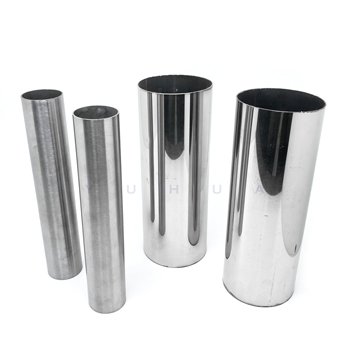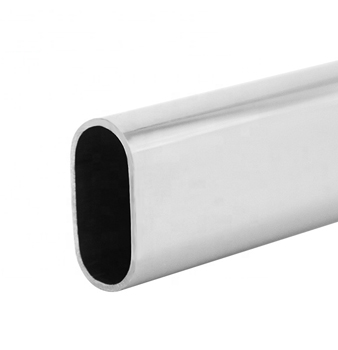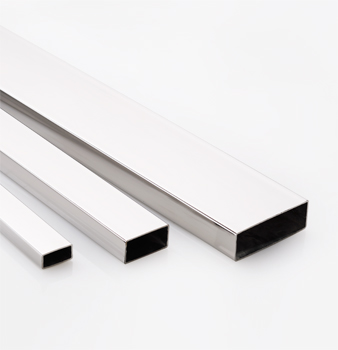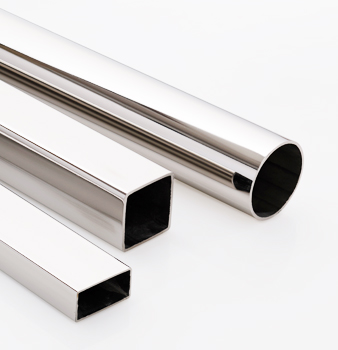


When planning an industrial or architectural project, procurement managers and structural engineers must look beyond the initial purchase price of materials. Selecting a low-maintenance stainless steel rectangular pipe remains a strategic decision that directly affects the overall financial efficiency of a facility. Stainless steel products serve as the preferred choice in daily life because they possess solid corrosion and wear resistance along with a long service life. Over a lifespan of several decades, the costs linked to cleaning, treating rust, repairing structural damage, and replacing degraded materials can easily surpass the original material investment.
By choosing an easy-to-clean stainless rectangular tube, businesses sharply cut these ongoing expenses. The stainless steel surface stays smooth and clean. It does not readily absorb dust and dirt. This surface also cleans and maintains with little effort. This basic property means maintenance crews need fewer specialized chemical cleaning agents. These crews also spend much less labor time on upkeep. In addition, stainless steel delivers a reliable and affordable solution for various applications. The material proves cost-effective throughout its entire life cycle. At YUHUA, established in 2009 in Nanhai District, Foshan City, as one of China’s top stainless steel outfits, the company stays on top of product quality and market changes to give customers high-quality products at fair prices.
The physical integrity of any building or equipment frame depends heavily on how well its core materials withstand environmental pressures over time. A stainless steel rectangular pipe acts as a hollow, long steel. The material sees wide use in the manufacture of mechanical parts and engineering structures. This occurs because the pipe remains lighter in weight when the bending and torsional strength stay the same. However, maintaining this structural advantage requires a material that does not weaken due to environmental degradation.
Stainless steel provides good corrosion resistance. The material resists the erosion of many chemicals. This quality makes stainless steel suitable for various corrosive environments. In addition to its chemical resilience, stainless steel offers high hardness and high strength. These features give the material good wear resistance and tensile resistance. The pipe can therefore be applied to various heavy-duty working environments. Whether the pipe supports modern furniture frames, architectural structural supports, or industrial machinery guards, the structural longevity stays virtually guaranteed when the right grade of material is selected. The company ensures this quality through rigorous testing. This testing includes eddy current testing for weld integrity and surface quality inspection for each piece.
For the vast majority of standard indoor and mild outdoor projects, 304 stainless steel serves as the most widely used chromium-nickel stainless steel. The material grade composition consists of 18 percent Chromium and 8 percent Nickel. This specific blend ensures that the 304 stainless steel pipe possesses good corrosion resistance, heat resistance, and physical characteristics of strength that do not decrease at low temperatures.
From a maintenance perspective, this grade remains highly practical for general use. The material is less affected by acids or alkalis in the atmosphere. However, environmental context holds importance. If the pipe is installed in a heavy industrial area, then the pipe needs cleaning from time to time to reduce the possibility of corrosion. Because of its affordability and reliable performance, Grade 304 works well for architectural structures like handrails, balustrades, and canopies. The grade also suits decorative elements such as furniture and lighting fixtures. The material provides a long service life with minimal maintenance in these standard applications.
When a project sits in an aggressive environment, upgrading to 316 or 316L structural tubing offers the definitive way to minimize maintenance efforts. Made from Grade 316L stainless steel, these pipes resist pitting, crevice corrosion, and chemical exposure at a high level. This resistance makes the pipes ideal for applications in marine, chemical, and pharmaceutical industries.
The chemical makeup explains the excellent low-maintenance quality of 316L pipe. The makeup contains 16.0 to 18.0 percent Chromium, 10.0 to 14.0 percent Nickel, and 2.0 to 3.0 percent Molybdenum. Molybdenum addition creates strong corrosion resistance. The resistance covers chlorides, acids, and alkaline solutions in particular. Marine and chemical environments benefit from the resistance. Low carbon content cuts down the risk of carbide precipitation in welding processes. Weldability and durability improve as a result. Initial procurement cost stays higher than the 304 grade. But 316L pipe needs almost no intensive maintenance. Exposure to sea salt, de-icing salts, or harsh industrial chemicals makes no difference.
The metal grade forms only half of the maintenance equation. The surface finish decides how easily dirt, grime, and corrosive agents can be wiped away from the stainless steel rectangular pipe. We offer multiple surface finish options. These options include bright, pickling, polishing, and annealing.
A smooth, polished surface receives high recommendations for projects that prioritize minimal cleaning effort. This finish supplies a premium look. The finish also resists scratches and cleans with ease. For environments that require ultra-hygienic conditions, a polished finish with a roughness average of Ra less than or equal to 0.8 micrometers offers almost no microscopic crevices for bacteria or contaminants to harbor.
Alternatively, tubes receive an exact annealing treatment. The exact annealing treatment boosts resistance to corrosion. The exact annealing treatment also strengthens the structure. The exact annealing treatment gives a consistent, smooth surface. Brushed or matte finishes remain very popular. The popularity comes from visual charm in modern wardrobe designs and luxury closet systems. Brushed or matte finishes have a slight grain. The slight grain traps fine particles. Therefore, a selection of brushed finish is suitable for high-traffic or industrial areas. Maintenance teams expect a higher frequency of routine wipe-downs. The higher frequency maintains the pristine metallic luster of the material.

In modern architecture, visual appeal and structural safety hold equal value. Stainless steel rectangular pipes find common use in architectural applications like handrails and balustrades, structural supports, and decorative trims. Stainless steel offers metallic luster along with attractive looks. Stainless steel fits well for decoration and related areas.
However, exterior building facades and high-ceiling structural frameworks present notorious challenges. Access for routine cleaning proves difficult and costly. Building managers gain major reductions in scaffolding needs and specialized exterior cleaning crews through low maintenance structural steel tubing. Natural resistance to rust and atmospheric oxidation allows rainfall to handle superficial dirt removal often. Rainfall keeps building aesthetic sharpness across decades.
Nowhere does the demand for easy-to-clean surfaces run higher than in facilities governed by strict health and safety regulations. Part of the 304 stainless steel counts as food-grade stainless steel. The material can therefore be used to make food production equipment. The material can also be used to produce medical equipment. The pipe suits the processing, storage, and transportation of food very well.
For environments that utilize harsh chemical sterilizers, 316L stainless steel rectangular tubes work perfectly for equipment that requires hygiene and corrosion resistance. The pharmaceutical industry specifically relies on these materials for sanitary and high-purity applications. Because the stainless steel surface stays smooth and clean, the surface does not readily absorb dust and dirt. Factory operators can therefore perform rapid, aggressive sanitization washdowns without fear of degrading the metal equipment frames. At YUHUA, the production setup, quality, output, and market growth match global standards. This match ensures the products meet these rigorous industrial demands.
A: For food processing applications, a polished grade 304 or 316 stainless steel rectangular tube stands as the most efficient choice. Part of the 304 stainless steel counts as food-grade stainless steel. The material can therefore be used to make food production equipment. The material also suits the processing, storage, and transportation of food. If the facility uses highly corrosive cleaning agents, 316L receives recommendation because the grade suits sanitary and high-purity applications and resists acids and alkalis.
A: While stainless steel provides good corrosion resistance and resists the erosion of many chemicals, the material is not completely immune to rust if placed in the wrong environment. For example, 304 stainless steel is less affected by acids or alkalis in the atmosphere. But if the pipe sits in a heavy industrial area, then the pipe needs cleaning in time to reduce the possibility of corrosion. Selecting 316L grade supplies enhanced resistance to chlorides, acids, and alkaline solutions. This selection helps prevent rust in marine or chemical environments.
A: The cleaning frequency depends heavily on the specific outdoor environment. Generally, the stainless steel surface stays smooth and clean. The surface does not readily absorb dust and dirt. The surface also cleans and maintains with little effort. This means the material requires very little routine care. However, if the installation sits in a heavy industrial area with high pollution, the pipe needs cleaning in time to reduce the possibility of corrosion.
 Address: Muyuan Industrial Zone, Shishan Town, Nanhai District, Foshan City, Guangdong Province
 Call us now:+86 13751499396
 Email:546980277@qq.com


Foshan Nanhai Yuhua Hardware Products Co., Ltd.佛山市南海誉华五金制品有限公司