

Stainless steel pipe is chosen for long service life and dependable performance. Yet stainless steel is corrosion-resistant, not corrosion-proof. Brown stains, pits, weld attack, or corrosion around clamps may appear when grade, fabrication, finish, and service environment are poorly matched.
This guide explains how corrosion resistance works, why failures occur, and what B2B buyers should include in a pipe specification.

Stainless steel fights off rust primarily through a chemical reaction. The chromium inside the metal mixes with oxygen. This creates a very thin, passive oxide film. This barrier keeps the raw metal away from harsh surroundings. It can even heal itself after minor scratches, provided enough oxygen is present.
Sadly, certain elements will break this protective film. Chlorides, strong acids, high heat, and surface dirt are common culprits. Environments lacking oxygen also cause harm. Therefore, a pipe’s success relies heavily on its actual working conditions. You cannot depend on the material’s name alone.
Seeing a brown spot does not automatically mean the actual pipe wall is failing. Surface stains often come from outside sources. Carbon-steel dust, dirty tools, and nearby rusting parts can leave marks. Water with high iron content causes similar issues.
True attack may appear as pits, cavities, thinning, cracks, or leakage. Check whether staining can be cleaned, whether metal loss exists, and whether damage is concentrated near welds, supports, joints, or low-flow sections.
Pitting forms tiny holes on the surface. These holes hide much deeper cavities underneath. This specific damage is highly dangerous. The majority of the tube might look perfectly fine. Meanwhile, a few isolated spots lose major wall thickness.
Crevice corrosion grows in very tight spaces. These gaps suffer from poor oxygen supply. You will frequently find this issue under gasket faces, metal clamps, and pipe supports. Dirt build-up, threaded joints, and badly made connections also invite this problem.
| Corrosion type | Typical location | Common trigger | Main risk |
| Pitting | Open pipe surface | Chlorides and heat | Deep local damage |
| Crevice corrosion | Under gaskets, deposits, or clamps | Trapped liquid and low oxygen | Hidden leakage risk |
Washing away salt build-up certainly helps. However, constant salt exposure might force you to upgrade. You may need a tougher metal grade and improved system drainage.
Galvanic corrosion needs three specific things to start. It requires two different metals, direct electrical contact, and a liquid like water. Sometimes, a stainless steel pipe touches carbon steel, aluminum, or other active metals. When this happens, the weaker metal will break down much faster.
The danger increases sharply if a tiny active-metal piece touches a huge stainless area. You can stop this electrical path easily. Use isolation washers, plastic sleeves, and matching fasteners. Protective coatings and good water drainage also block the reaction.
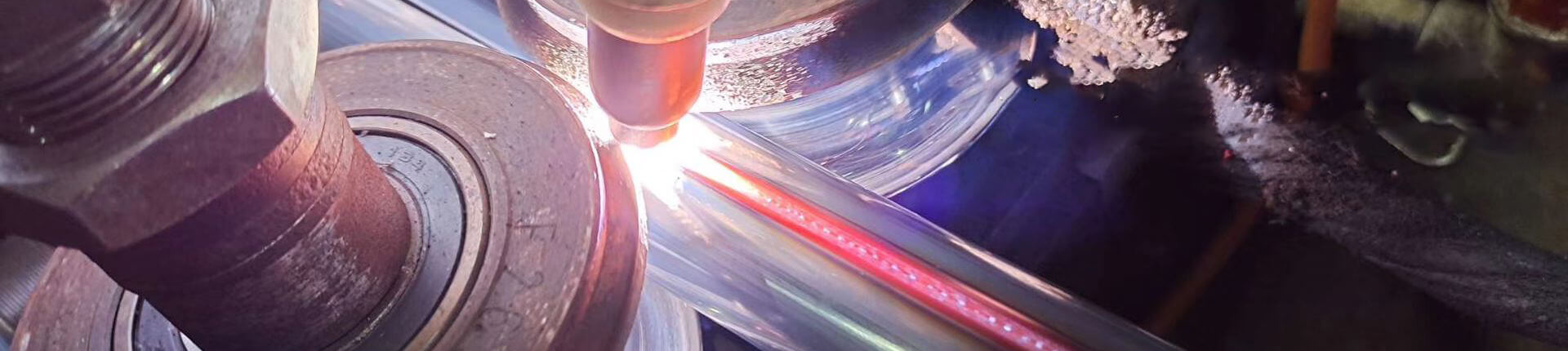
Welded areas demand special care. Dark heat tint and burnt oxide scale lower the metal’s natural defenses. Furthermore, uneven weld shapes easily trap harmful dirt.
Intergranular corrosion happens after bad heat exposure. The heat pulls chromium away from the metal’s internal grain edges. Low-carbon options like 304L and 316L lower this risk during welding. Yet, these materials still need proper welding steps and thorough cleaning afterward.
Chloride stress corrosion cracking needs three elements. It requires a vulnerable metal, physical pulling stress, and harsh chloride surroundings. Do you see constant leaks around tight bends or welded joints? If so, you must investigate the cause immediately.
Several main factors affect the metal. These include chloride levels, heat, acid levels, fluid speed, oxygen amounts, and cleaning habits. Dirt piles trap wetness. This creates highly destructive chemical spots. Dead pipe branches and low sections often hold leftover liquid after the system stops.
Think about an outdoor 304 pipe network near the ocean. The wide-open areas might stay perfectly fine. Meanwhile, rust grows underneath the holding clamps. This happens because salty water gets stuck there. Good prevention involves regular washing and proper water flow. You should also remove tight gaps. Finally, check if 316L would be a smarter choice for the project.
Material failures sometimes start long before the actual setup. Common reasons include:
*Working with carbon-steel tools on stainless items
*Ignoring burnt weld oxide or dark heat tint
*Scraping polished surfaces during transport
*Building uneven joints that trap water
*Letting stray steel dust settle during warehouse storage
*Forgetting to clean out factory dirt before starting the system
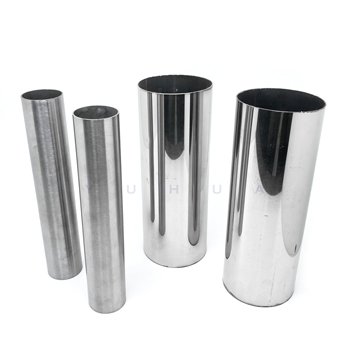
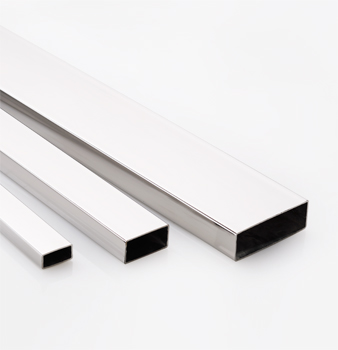
A smooth, even surface is much easier to check and keep clean. YUHUA product details feature many choices. These include bright, annealed, pickled, polished, brushed, matte, and mirror finishes. We offer these across various pipe and tube shapes. The final look depends entirely on your chosen specification.

Choosing the right metal grade must begin with the working environment. You should never decide based on price alone.
| Grade | Relative performance | Typical starting use | Main caution |
| 201 | Moderate | Dry indoor and decorative use | Limited for aggressive moisture |
| 304/304L | Good general resistance | Architecture, food equipment, machinery | Weak against chloride pitting |
| 316/316L | Better chloride resistance | Coastal, chemical, hygienic use | Can still fail in hot chlorides |
| 410/430 | Suitable for mild service | Furniture and decorative components | Avoid heavy salt contact |
| 2205 duplex | Higher localized resistance | Demanding chloride service | Needs careful engineering review |
The biggest benefit of 316 compared to 304 is the added molybdenum. This specific metal mix contains 2.0 to 3.0 percent molybdenum. It also holds no more than 0.03 percent carbon. This precise recipe supports stronger chloride resistance and improved weldability for many applications.
No table can replace a service review. Temperature, concentration, weld condition, and maintenance access can change the choice.
A solid corrosion-resistant pipe specification needs to clearly list:
1.Grade and applicable standard
2.Welded or seamless build type
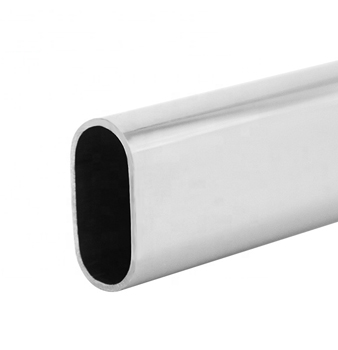
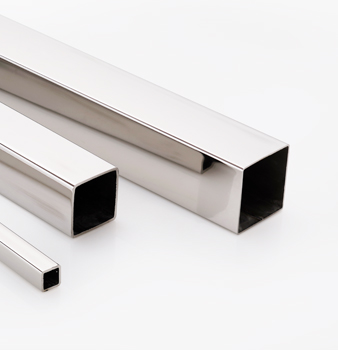
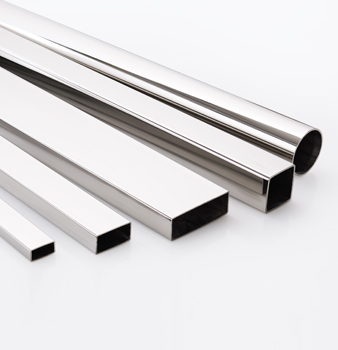
3.Round, square, rectangular, or oval shape
4.Exact sizes and wall thickness
5.Surface look and smoothness level
6.Weld state and after-weld care
7.Acid pickling or chemical passivation needs
8.Size limits and testing rules
9.Metal certificates and tracking details
10.Packaging methods and dirt prevention
11.Flowing liquid, salt amount, heat, and pressure limits
At YUHUA, our inventory includes many different grades. We supply round, square, and rectangular shapes. We offer selected ASTM A554 welded tubes with proven quality checks. These options include eddy-current scans and hydrostatic water tests. We also provide full tracking records and official mill test certificates.
Buyers must share their working conditions when asking for a price quote. Providing only the physical sizes is not enough. This extra information helps our team guide you. We can then figure out if 304, 316L, or a different metal is the best starting choice.
Stopping rust works best before you actually buy the materials:
1.Erase water traps, dead pipe ends, and useless gaps.
2.Pair the metal grade with the real chemicals and heat levels.
3.Keep specific tools just for stainless jobs.
4.Manage the welding process and scrub away dark heat marks.
5.Ask for chemical pickling and passivation when needed.
6.Separate metals that react badly together.
7.Wash the whole system before turning it on.
8.Cover the finished tubes during warehouse storage and field setup.
Passivation treatments wash away loose iron particles. This process supports a healthy passive barrier. However, it is not a magic fix for everything. Thick burnt scale and heavy weld dirt need extra work. You must use physical grinding or acid pickling first.
You should regularly check the welds and pipe supports. Look closely at gasket edges, low spots, and threaded joints. Inspect dirty areas and places hit by salt. Systems built near the ocean need special care. They benefit greatly from fresh water washes and careful scrubbing around the holding clamps.
You can usually wipe away simple surface dirt. This works fine if the actual metal remains thick. However, you must carefully evaluate or replace the tube in worse situations. Deep surface pits, visible cracks, and active leaks demand new parts. Constant weld damage or dangerously thin walls also require immediate replacement.
Any repair plan must target the root problem. You might replace a broken section with the exact same grade and shape. If you keep the same cleaning habits, the new part will likely fail again. YUHUA can look over your requested grade and sizes. We evaluate the build type, surface look, required tests, and daily usage. This careful review helps us answer your requests with better solutions.
A: Welding can leave heat tint, oxide scale, embedded iron, or crevice-like geometry. Proper weld control, cleaning, and post-weld treatment are especially important in chloride-bearing environments.
A: Select a grade suitable for the chloride concentration and temperature, keep surfaces clean, avoid stagnant liquid, remove deposits, and inspect pits before they penetrate deeply.
A: It develops where liquid is trapped in a narrow, oxygen-restricted space beneath a gasket, clamp, deposit, or poorly formed joint. Chlorides can then destabilize the passive film.
A: 316 or 316L is generally better because molybdenum improves resistance to chloride pitting and crevice attack. Warm, concentrated, or stagnant chlorides may still require a higher-alloy grade.
A: It should define grade, standard, construction, dimensions, wall thickness, finish, weld treatment, passivation, tolerances, testing, traceability, packaging, and actual service conditions.
 Address: Muyuan Industrial Zone, Shishan Town, Nanhai District, Foshan City, Guangdong Province
 Call us now:+86 13751499396
 Email:546980277@qq.com


Foshan Nanhai Yuhua Hardware Products Co., Ltd.佛山市南海誉华五金制品有限公司