

A correct cut length is only a starting measurement. If mounting points miss after welding, compare the bend and cooled joint before changing the cut allowance. On a stainless steel tube fabrication route sheet, identify whether each drawing dimension is checked on the blank, released bend or cooled assembly. Keep incoming tube and finished assembly results separate. The intended tube, drawing and measured trial part belong together at every handoff.

Locate the final inspection datums at the connection faces. The saw-cut length belongs to stock preparation, while the assembly drawing controls the finished dimension. Mark faces that must retain their finish through tooling and welding. Agree on any missing acceptance limits before the trial.
| Drawing Input | Question Before Work | Evidence on the Trial |
| Grade, standard, profile and wall | Does stock match the intended tube? | Identity and measured size |
| Connection-face position | Which datum controls final fit? | Cooled assembly measurement |
| Bend radius and angle | Which dimensions refer to a released bend? | Trial-bend measurement |
| Joint location | What fit-up is required before welding? | Fit-up and finished-joint checks |
| Visible finish | Which faces touch tools or clamps? | Surface review after operations |
The table helps with handoffs; drawing tolerances still govern. In stainless steel tube fabrication, put an acceptance point beside each requirement. An incoming tube check cannot prove the assembled connection faces are right.
Profile changes the route. Square tube presents flat joint faces; round tube changes fixture and bend-tool choices. Both need a grade, standard, outside size, wall and finish. Mark seam position on welded stock when it affects tooling, a joint or a visible face.
Round, square, rectangular and oval are among YUHUA tube options; confirm the requested configuration. The linked grade 304 square tube has a 1-inch (25.4 mm) profile. That size belongs to the listed square stock; a stainless steel tube fabrication brief should ask anew about other profiles. Our quotation review covers requested dimensions and finishes for selected products, subject to availability.
The bender should see the tube specification before selecting a tool. Substitute stock may hide a bend or fixture mismatch. Put the finish and any seam-orientation instruction on the stainless steel tube fabrication trial sheet.
Plan the cut around the next operation. A miter must meet its partner; an exposed end has a finish requirement. Draw end geometry, burr condition and datum. Saw, abrasive and thermal methods leave different edges. Inspect the trial end in position.
Bend a long blank before trimming when the formed part gives a clearer connection-point datum. Cut a feature earlier if the bend will block access. Keep stock length, cutting allowance and finished length distinct in stainless steel tube fabrication. Even the right bend angle leaves the final end position to be checked.
For bending 304 stainless steel tubing, take a test piece from stock matching the specified wall and material condition. Set the stated radius, angle and straight lengths. Measure the angle after release, since austenitic stock can spring back. Inspect ovality, wall change, wrinkles and tool marks where they matter to joint fit or visible finish. With welded stock, note seam orientation.

| Operation | Check on the Trial | Keep for the Next Shop |
| First cut | End geometry, burr and extra length | Initial datum and allowance |
| Forming | Released angle, radius and section shape | Tool setup and seam orientation |
| Final trim | Connection-point length on the formed part | Finished datum and measured result |
This stainless steel tube fabrication record distinguishes straight-blank from released-part measurements. Trial a tool setup again before using another tube size or wall.
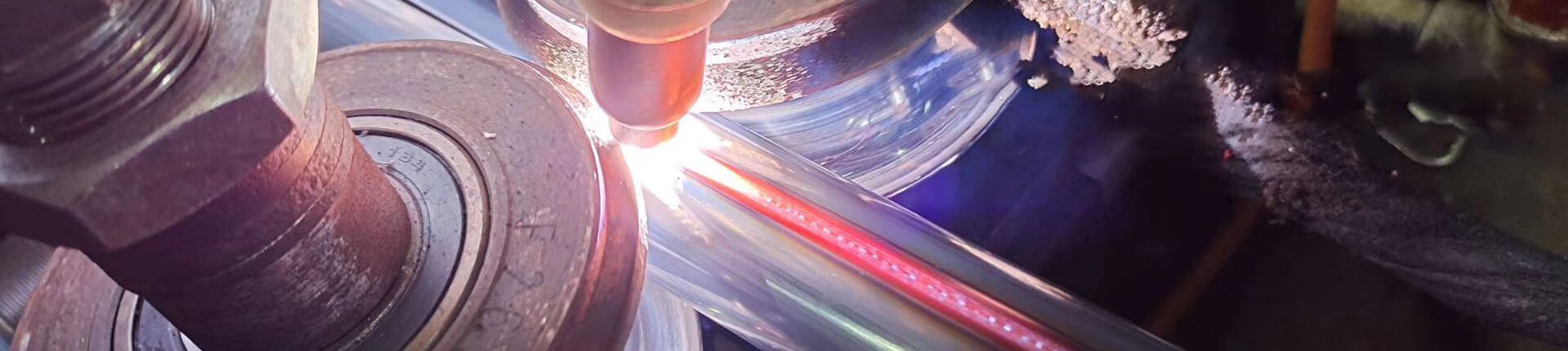
For a stainless steel tube fabrication trial, the welder needs the tube identity, joint drawing, fit-up and applicable procedure. A callout for TIG welding stainless steel tubing selects the process. It does not settle filler, shielding, qualification or acceptance. The existing TIG welding stainless steel pipe article covers technique. This route tracks the joint after welding.
Before welding, note fit-up at each drawing datum. Once the joint is cool and unclamped, measure the same points for movement. Changed restraint or tack sequence calls for another affected measurement. A mill certificate identifies incoming tube; the cooled connection face needs assembly measurement. Put that final reading in the stainless steel tube fabrication record.
The outer bead remains visible, but the root may not be accessible after assembly. For demanding service, decide on backing protection and inspection access before joining. Heat tint can impair local corrosion resistance. State the surface acceptance and any required treatment instead of judging the entire joint from the outside bead.
Keep the sample with its drawing revision and route. Agree on finished-part checks and job-specific tests before repeating stainless steel tube fabrication. In the release record, separate what the tube supplier verified from what the fabricator measured.
| Stage | Record to Retain | Release Decision |
| Tube supply | Grade, standard, profile, wall, finish and seam | Was the intended stock used? |
| Cut and form | Allowance, tool setup and released measurements | Will the ends reach the joints? |
| Weld | Procedure, fit-up, root and surface observations | Does the cooled joint meet the drawing? |
| Assembly | Finished dimensions, surface and permitted rework | Who accepts the completed part? |
YUHUA can review tube supply against the drawing, subject to availability and technical review. We can confirm dimensions and finish during quotation. Cut, form, weld and assembly results go to the fabricator and buyer for approval. Send the agreed tube specification and supply questions to YUHUA.

A: Start with grade and standard, profile, outside size, wall, finish, finished datums and connection-face limits. Add cut-end and bend geometry, joint position and visible surfaces. Put allowances beside the relevant dimensions so the next shop can distinguish them from finished-part limits.
A: Make a trial joint with the intended tube under the procedure approved for its assembly and service. Retain material identity, fit-up, filler and shielding choices beside the inspection result. Once it cools, measure the geometry and examine the outside bead and accessible root. Process selection is not joint acceptance.
A: Keep the tube size, wall, material condition, tool setup, seam orientation where relevant and intended radius and angle. Measure the released angle and straight lengths. Check section shape and surface marks wherever they affect fit or finish. A setup for another tube is only a starting point.
A: Yes, when the connection-point datum becomes clearer after forming. Leave trim allowance in the first cut and measure finished length on the bent part. Cut a feature beforehand if forming would block access. Prove the order on a trial.
A: Set the tube identity, drawing revision, route, applicable weld procedure and finished-part measurements side by side. The fabricator and buyer review those records against fit, finish and service requirements before releasing the stainless steel tube fabrication trial. Neither the tube receipt nor bead appearance measures the completed assembly.
 Address: Muyuan Industrial Zone, Shishan Town, Nanhai District, Foshan City, Guangdong Province
 Call us now:+86 13751499396
 Email:546980277@qq.com


Foshan Nanhai Yuhua Hardware Products Co., Ltd.佛山市南海誉华五金制品有限公司