

The molybdenum in 316 enhances the passive film to resist pitting and crevice corrosion, especially in environments where there are chlorides present.
Corrosion in pipework can occur locally, for example, in localised deposits on the internal surface of the pipe, at pipe connections such as pipe joints and clamps, within weld zones, in areas where water is permitted to stagnate, i.e., poor drain points on pipework, etc. For such applications, a Grade 316 stainless steel pipe would be suitable, although not fully corrosion-resistant.
| Comparison factor | 304 stainless steel pipe | 316 stainless steel pipe |
| Main alloy difference | Chromium-nickel grade without intentional molybdenum | Chromium-nickel grade with molybdenum |
| General corrosion resistance | Good in mild environments | Better in aggressive environments |
| Salt and coastal exposure | Limited for continuous exposure | More suitable |
| Weldability and fabrication | Good | Good |
| Relative material cost | Lower | Higher |
| Typical uses | Furniture, handrails, equipment frames | Marine systems, chemical lines, coastal projects |
The above table is a first approximation. Wall thickness, surface finish, fabrication quality, and operating conditions all have a large effect on life.
304 stainless steel pipe resists rust and oxidation in clean freshwater and ordinary atmospheric conditions. It is often used in the food processing industry, as well as in architectural, machinery, and ornamental applications.
When chlorides are introduced into the system, the risk increases. Saltwater, sea air, chemicals, and some disinfectants can penetrate the passive film and penetrate deep into the metal to form pits. Grade 316 is the preferred material as it has extra molybdenum, which increases the material’s resistance to such attack. 316L pipes’ application areas include marine use, chemical processing, pharmaceutical, oil and gas field, food processing, architectural use, etc.
Other factors also come into play, including concentration, temperature, flow, and frequency of cleaning. Remember that a hot, stagnant solution of chloride-bearing water is much more of a risk than a clean, potable water solution.
304 and 316 Stainless have similar mechanical properties and are both suitable for most fabrication methods, forming, welding, polishing, etc. They can also be supplied in round, square, or rectangular sections. Once strength has been considered, the corrosion resistance of 304 and 316 will generally be the deciding factor between the two.
Welding procedures still affect performance. Heat tint and contamination can reduce local corrosion resistance if welds are not properly cleaned and passivated. For assemblies with extensive welding, low-carbon grades such as 304L or 316L may be specified to reduce sensitization risk.
Typically higher in cost than 304 due to the higher alloy content. Compare the cost of 316 to the purchase cost plus the cost of cleaning, inspection, repair, shutdowns, and replacement.
Use three steps:
*Determine if a condition is Aggressive, including the type of cleaning chemicals and external exposure.
*Assess the possible consequences of the corrosion, such as leakage, contamination, or downtime.
*Compare the additional cost of material to the cost of maintenance and the risk of replacement.
316 may not add much value to a dry indoor piece of furniture, but it can cost more initially for a coastal handrail or chemical plant.
Both grades of food and beverage equipment are made from stainless steel. Generally, Grade 304 is used for general food handling, storage of food products, and equipment frames. Often, this grade is also used for piping where only mild cleaning agents are used.
When you start to introduce salty ingredients, acidic products, chloride-containing cleaning products, elevated temperatures, and/or frequent washdowns, then Grade 316 becomes more relevant. Surface roughness, weld quality, drainage, and hygienic design also need to be specified. A higher grade of stainless does not compensate for rough welds or poorly draining crevices.
While not every outdoor project requires 316 stainless steel, it is generally safer to spec from the start than to risk corrosion from salt spray, offshore exposure, use of desalination equipment, etc., or processing of chemicals. The buyer must then consider exposure, maintenance, the concentration of the chemicals, and the design life.
To better select materials between different applications, it may be more helpful to consider the specific application rather than the industry type. For instance, an interior handrail protected from seawater could last for a long time and require only periodic cleaning with 304 stainless steel. In contrast, an exterior handrail exposed to sea air on a regular basis would likely be better served with 316 stainless steel pipe. Similarly, the actual process fluid in a piping system typically outweighs the process industry label.

Stainless steel Grade 304 is very commonly used for handrails and for furniture legs, as well as for machinery guards, equipment frames, display racks, lighting, and other structures and trim. This Grade is a good all-round stainless steel as it offers good corrosion resistance, good fabrication characteristics, and a good appearance, at a reasonable cost.
YUHUA offers 304 tubing for making furniture, handrails, building structures, machinery guards, and conveyor systems. Wall thickness can be selected, and the surface can be annealed to make it easier for forming and polishing.
For exposed installations, the consistency of finish may be as important as the finish itself. Brushed, polished, matt, annealed, or pickled finishes should therefore be specified for purchase.
Tubing welded is the common choice for architectural, decorative, furniture, structural, and many low- to moderate-pressure applications. Seamless pipe is generally chosen for higher pressure, higher temperature, and critical process applications where the design code requires seamless pipe.
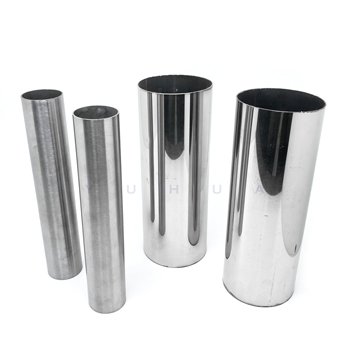
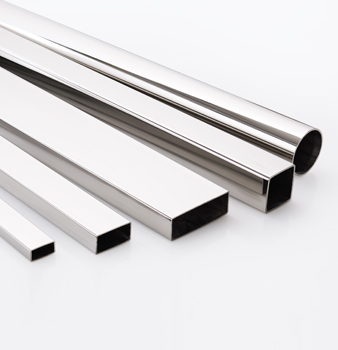
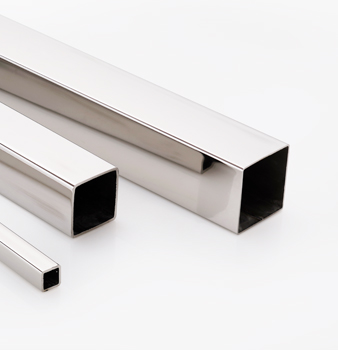
There is an engineering requirement that needs to be followed, and that should not be assumed to be always seamless. There are welded tube grades available such as 304, 304L, 316, and 316L, and they are available in round, square, and rectangular form.
A complete request for quotation should state:
*Grade and welded or seamless construction
*Round, square, or rectangular profile
*Outside diameter or external dimensions
*Wall thickness or schedule
*Length and quantity
*Surface finish and roughness
*Dimensional tolerances
*End treatment, fabrication, and packaging
Square tubes for decorations can be ordered by external dimensions, wall thickness, corner radius, and surface finish. In contrast to such orders for decorations, pressure pipes are usually specified by nominal pipe size and/or schedule, by standard, and by tests. In addition, the end connection has to be specified.
Request for a mill test certificate showing grade, heat number, chemical analysis, and mechanical properties. Dimensional check and surface inspection plus other non-destructive tests such as eddy current, hydrostatic test, or positive material identification. Where both 304 and 316 are to be processed in the same workshop, traceability is a major consideration.
| Project condition | Recommended starting grade |
| Indoor furniture or decorative tubing | 304 |
| General construction in a mild environment | 304 |
| Food processing with mild cleaning | 304, subject to process review |
| Coastal or salt-spray exposure | 316 |
| Chemical or chloride-containing service | 316 |
| Extensive welding in corrosive service | Consider 304L or 316L |
When placing an order, please supply YUHUA with as much information as possible regarding the proposed application, i.e., medium, concentration, temperature, pressure, surroundings, etc., plus details of proposed fabrication method, size requirements, surface finish, etc., together with any relevant national or industry standards to which the product must conform. With this information, we can recommend a suitable grade of tube to meet your specific requirements.
316 Can be used in a ‘sheltered’ location with low exposure to salt and cleaned regularly. Exposed coastal locations would be better to use 316 as it is the safer option.
A: Grade 316 contains additional alloying elements, including molybdenum. Final pricing also depends on dimensions, wall thickness, construction, finish, testing, quantity, and raw-material conditions.
A: Request a mill test certificate with the heat number, chemical composition, and mechanical properties. For critical projects, specify full traceability and positive material identification.
 Address: Muyuan Industrial Zone, Shishan Town, Nanhai District, Foshan City, Guangdong Province
 Call us now:+86 13751499396
 Email:546980277@qq.com


Foshan Nanhai Yuhua Hardware Products Co., Ltd.佛山市南海誉华五金制品有限公司