

Choosing between welded and seamless stainless steel pipe is not simply a question of strength. The decision depends on pressure, temperature, corrosion, standards, dimensions, inspection, budget, and schedule. Seamless is often preferred for critical service, while a correctly specified welded product can provide reliable performance, dimensional flexibility, and purchasing efficiency. This guide connects engineering requirements with practical procurement decisions.

| Manufacturing route | Shaped strip or plate with a long seam | Pierced and rolled or drawn billet |
| Pressure service | Good when the rules, wall, and weld quality allow it | Best for tough, high-pressure, or repeating jobs |
| Corrosion | Relies on grade, surface, and weld care | No weld area, but grade and surface are still key |
| Dimensions | Great for thin walls, wide widths, and different shapes | Often picked for small widths and thick walls |
| Cost | Usually cheaper because the making process is fast | Usually costs more because making it takes more work |
| Lead time | Often quicker for normal grades and sizes | Can take longer for rare types |
| Typical uses | Normal factories and buildings | Tough process lines |
Pick seamless when pressure, wear, heat, or rules make a missing seam key. Pick welded when the rules allow it. Also, choose welded when cost, sizes, look, or speed matter more.
Do not pick either way just by the name. A 316L welded product might fight salt better than a 304 seamless product. This happens because the grade is the most important thing. Tested welded pipe can handle pressure work. However, pretty tubing made to basic rules is not meant for pressure.
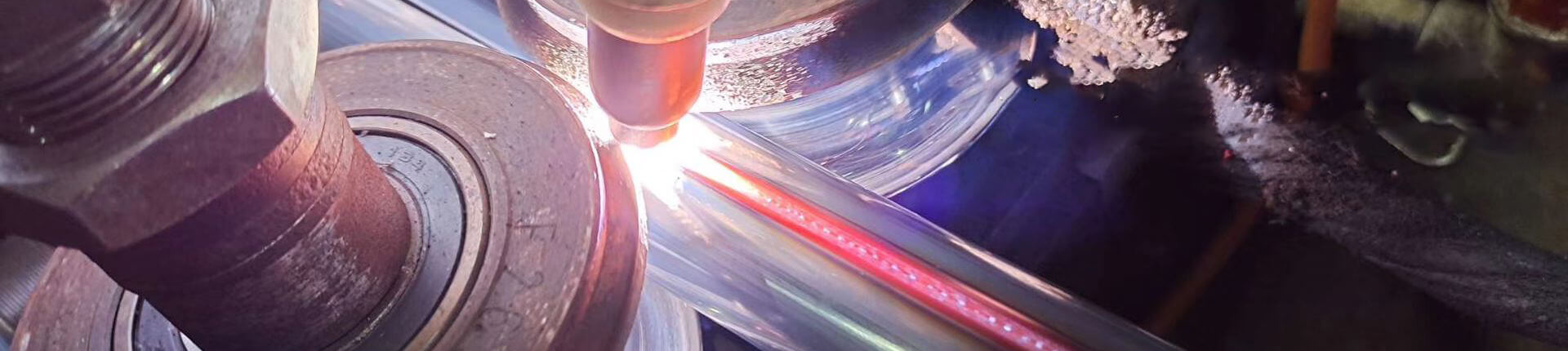
Welding starts with a stainless strip or plate. Rollers shape it before the edges connect. Later steps might include bead work, heating, cleaning, shining, sizing, and safety checking.
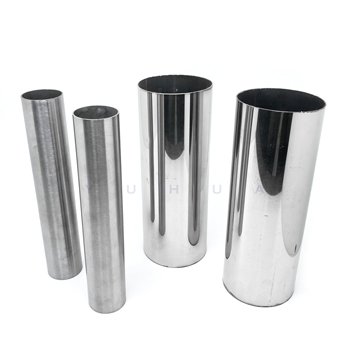
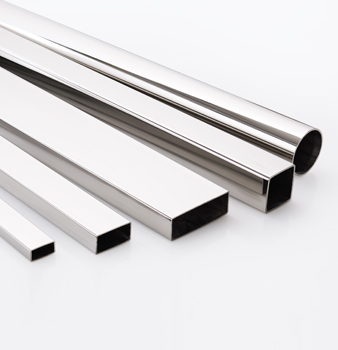
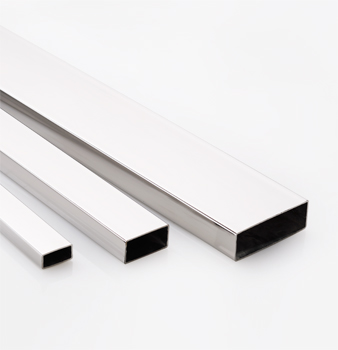
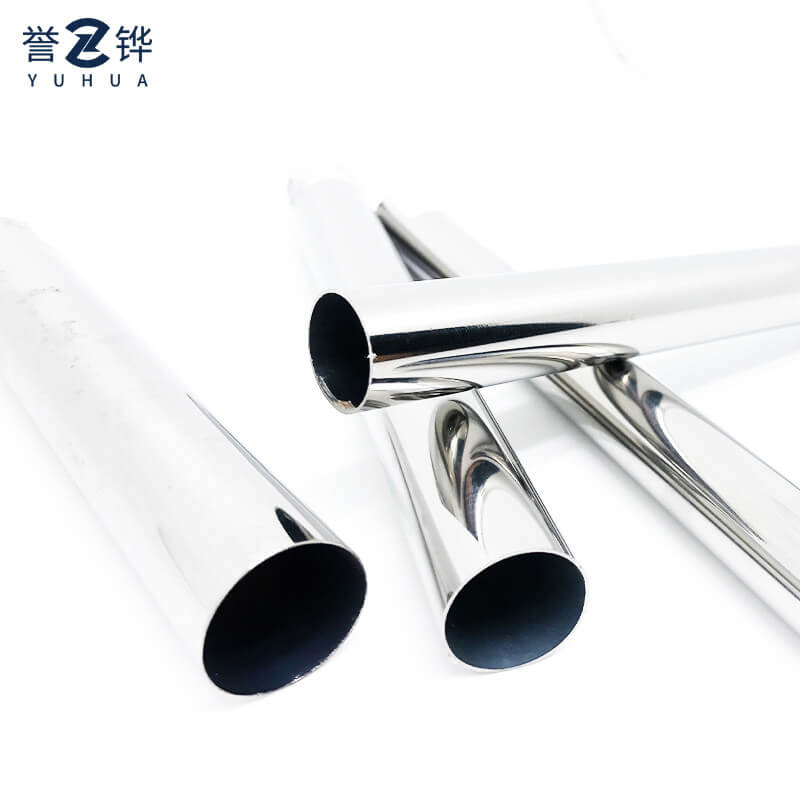
At YUHUA, ASTM A554 welded tube options include grades 201, 304, 304L, 316, and 316L. They come in round, square, and box shapes. They also have shiny, brushed, or dull finishes. These products range from 3/8 to 4 inches OD with different wall thicknesses. Quality checks include eddy current checks, extra water tests, tracking, and factory test papers.
Seamless pipe making starts with a solid block. Workers heat it, pierce it, and roll or pull it to the right width and wall thickness. Heating and finishing get it ready for work.
Taking away the weld eliminates one possible weak spot during high pressure or repeating loads. Seamless pipe does not promise a perfect wall thickness. Because of this, rules and checks stay important.
Seamless has an edge in tough pressure jobs because it lacks a long joint. However, the allowed pressure relies on width, actual wall thickness, allowed stress, heat, rust room, and any weld rule needed by the code.
ASTM A312 covers both ways but does not make one single pressure rule. Planners must use the right code. For changing loads, big heat changes, or “seamless only” rules, seamless stays a smart choice.
Makeup, salt, heat, dirt, cleaning, heating, and appearance might matter more than the making way. Grade 304 fits normal applications. Grade 316L stainless steel pipe has 2.0 to 3.0% molybdenum and no more than 0.03% carbon. This helps it fight pitting corrosion and makes welding easy.
Welded products need care for the heat-affected zone. Heating, cleaning, protecting, and clean building help bring back the safe surface. Seamless pipe eliminates that long zone. Still, it needs a good grade, look, and care plan.
Welded pipe mostly costs less because shaping strips is fast. Seamless making needs block piercing and extra rolling or pulling.
Look at the full cost instead of the price per meter. Add in the wall, testing, checking, working, packing, shipping, and time risk. Seamless can give better value in a tough line. Welded saves money when seamless skills add little help.
Coil making often gets welded products done faster across many sizes and looks. Seamless wait times might grow for a rare grade, thick wall, special rule, or small amount. Stock, quantity, surface work, checks, papers, packing, and place also affect delivery. A full RFQ helps more than a basic promise.

Seamless is a great choice for high-pressure chemical processing, heat tools, hot process lines, sea setups, and repeating pressure shifts. It is also right when the rules require it.
Think about a chemical line under changing pressure. A 316L seamless pipe handles rust and changing loads. At the same time, the wall and tests are checked against the rules. The extra cost helps control danger.
Welded products often fit rails, fences, chairs, building parts, car trim, exhaust parts, and basic factory setups. In these jobs, the surface and shape might matter more than pressure strength.
A shiny box tube for indoor rails needs steady sizes, strong welds, a nice look, and sure delivery. ASTM A554 welded tube fits that basic and pretty need. Seamless pressure pipe would add cost without helping the needed job.
Look at the manufacturing method and rules together. ASTM A312 talks about welded and seamless pipe for high-heat and normal rust jobs. ASTM A269 covers welded and seamless tubes for basic jobs. ASTM A554 is for welded basic tubing. ASTM A213 covers seamless boiler, heater, and heat tools.
Next, check the grade, sizes, heat treatment, appearance, checks, and paperwork.
A helpful RFQ should answer these points:
1.What liquid, gas, or weight will the product hold?
2.What are the planned pressure and working heat?
3.Which grade and product rules are needed?
4.Is the size based on NPS and Schedule or actual OD and wall thickness?
5.What shape, length, amount, rule, surface look, and end prep are needed?
6.Are water, eddy current, sound, or outside checks needed?
7.Which papers, tracking records, packing method, place, and delivery date matter?
At YUHUA, we use these facts to look at welded and seamless choices. Then, we price the needed material, sizes, look, tests, and papers. Send us your paper or RFQ to review good technical choices.
A: Seamless mostly has an edge in high-pressure, high-heat, or changing jobs because it lacks a long weld. Real strength still relies on grade, sizes, heat, rules, and tests.
A: Yes, when the rules and design codes allow it. Planners must check wall thickness, weld quality, joint rules, heating, and inspection needs.
A: Neither way always wins. Grade, setting, heat, surface state, cleanliness, heating, and weld care decide the result.
A: Seamless making requires block piercing and extra rolling or pulling. Extra work raises the cost. This is very true for rare sizes, tough tests, or small amounts.
A: Welded pipe often gives faster making times. The final time still depends on stock, grade, size, amount, look, tests, packing, and place.
 Address: Muyuan Industrial Zone, Shishan Town, Nanhai District, Foshan City, Guangdong Province
 Call us now:+86 13751499396
 Email:546980277@qq.com


Foshan Nanhai Yuhua Hardware Products Co., Ltd.佛山市南海誉华五金制品有限公司