

A stainless steel tube can look suitable on a quotation yet fail to match the real demands of pressure, corrosion, fabrication, or appearance. Buyers therefore need to define the service environment before comparing price or availability. Manufacturing route, dimensions, finish, joining method, inspection, and maintenance all affect performance.

Finding the right tube starts with the task it needs to do. A building frame might put sizes, weld looks, and surface finish first. On the other hand, a factory line might focus on pressure limits, cleanliness, and testing paperwork.
Indoor decorative uses, salty coastal air, harsh cleaning fluids, and always-wet spots bring different rust dangers.
Begin with a clear working profile. This profile should cover the liquid or weight, pressure, heat, surrounding air, chemicals, building steps, and finish. After that, spell out the shape, wall thickness, length, allowed size changes, and the exact standard. A cheap tube that causes building delays or needs quick replacement can end up costing more than a properly chosen one.
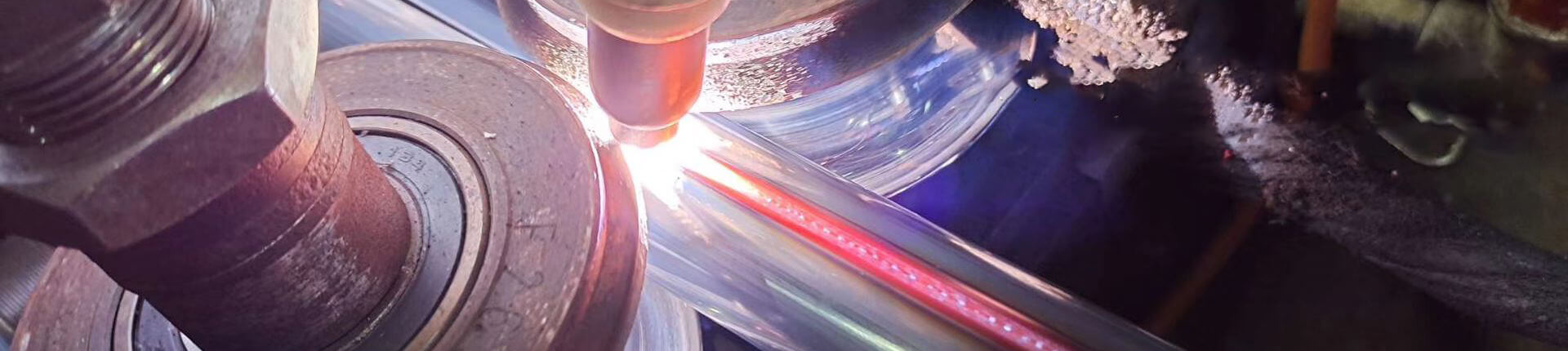
The choice between seamless and welded stainless steel tubing must rely on the main design rules and working conditions. A seamless tube is shaped without a long weld line. Meanwhile, a welded tube is made from flat metal strips or plates. It is then joined along a seam. Neither choice is always right for every job. A helpful comparison looks closely at pressure, sizes, surface finish, building steps, testing, amount needed, and overall price.
| Decision Factor | Seamless Tube | Welded Tube |
| Typical buying priority | Vital pressure or heat tasks where the rules ask for seamless parts | Size accuracy, surface choices, steady making, and good value |
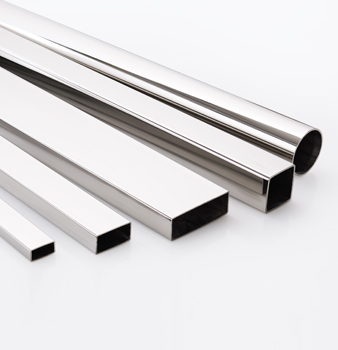
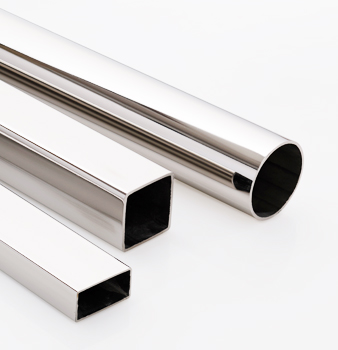
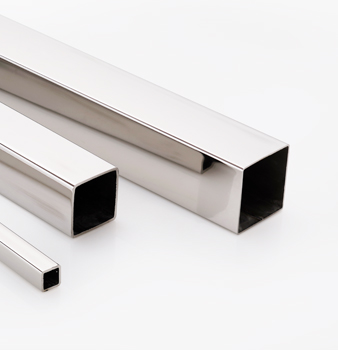
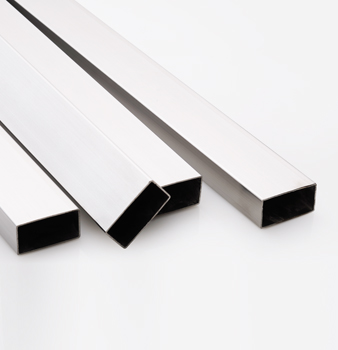
| Geometry and availability | Usually picked in round shapes. Stock depends on the exact size and schedule | Found often in round, square, and rectangle shapes. Used widely for looks and building frames |
| Verification | Metal type, sizes, heat tracking, and needed pressure or safe tests | Metal type, weld state, sizes, seam checks, finish, and needed paperwork |
Specify seamless construction when the engineering standard, pressure, temperature, cyclic loading, or critical-service risk requires it. Grade, wall uniformity, tolerances, and testing still require verification.
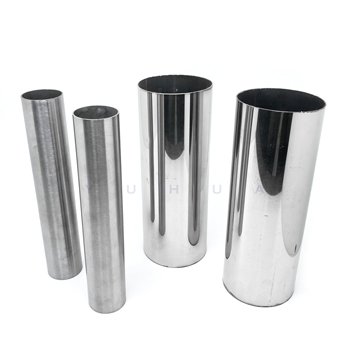
A welded tube is a smart choice for building designs, furniture, machine frames, and lower-pressure liquid paths, provided the rules allow it. Shaped metal strips offer consistent shapes and many different finishes. YUHUA offers welded tube choices in several metal grades and shapes. These depend on the exact setup.
For documented ASTM A554 welded tubes, buyers can request eddy-current weld testing, material traceability, and mill test certificates; hydrostatic testing may be specified when appropriate and available. The quotation should state weld condition, tests, finish, and tolerances so competing offers cover the same scope.
Picking the metal grade depends on the surroundings, building steps, cleanliness needs, and strength demands. A helpful 304 vs 316 stainless steel tube comparison looks at what dirt is around. It checks if salt builds up. It also looks at how the parts will be welded or washed. For specific project needs, contact YUHUA with the working profile and the needed sizes.
Grade 304 is used a lot for indoor building designs, furniture, food machines, and basic factory parts in safe surroundings. YUHUA lists 304 round and square items with many wall thicknesses, lengths, and surface types.
Do not think of “stainless” as needing zero care. Dirt buildup, iron spots, harsh washing fluids, and constant dampness can hurt the look. They can also start to develop spot rust. In heavy factory zones, washing on time is very important. When salt levels are high, or washing chemicals are strong, look at a grade with molybdenum instead of just trusting 304 to work.
Grades 316 and 316L have molybdenum. This addition boosts defense against deep pitting and tight-space rust in many salty places, compared to 304. YUHUA 316L round tube makeup has 2.0-3.0% molybdenum and no more than 0.03% carbon. The lower carbon amount helps when welding makes heat damage a worry.
This does not mean 316L will never rust. Salt amounts, heat, oxygen levels, surface finish, tight gaps, and washing habits still matter a lot. For sea spots, chemical plants, drug making, food lines, and other tough uses, give the vendor a full working description. Then, ask for the right metal grade, product rule, and supporting papers.
Other metal grades fit different needs for strength, price, heat handling, looks, or ease. YUHUA’s lineup includes 201, 304L, 410S, and 430, along with 304, 316, and 316L. The choice depends on the shape and the exact rules. Their chemical makeup and rust resistance are different.

Upkeep protects the safe outer layer. It also shows growing problems early. Washing times should match the amount of salt, factory dirt, standing water, leftover chemicals, and rough dust. You should not just use one basic schedule for everything.
Use clean water and mild detergent with a soft cloth or nonabrasive pad. Work with the grain on brushed surfaces, rinse thoroughly, and dry where retained moisture is a concern. Test stronger cleaners on an inconspicuous area.
Write down any returning color changes, rough spots, or marks. Stay away from steel wool and normal steel brushes. These tools can leave tiny metal bits behind. Also, stop salty soaps from drying on the metal surface.
Touching a different metal while wet can speed up damage to the weaker metal. Check the bolts, holding brackets, water drains, and wet meeting points. Using separating parts, matching bolts, and good drains can lower the danger when they fit the weight and the surroundings.
Once construction, grade, dimensions, and maintenance expectations are defined, supplier evaluation becomes specific. An industrial stainless steel pipe supplier should identify the material, manufacturing route, standard, tolerance, finish, tests, documentation, packaging, and delivery basis.
Quality assurance should match the ordered product. For YUHUA’s ASTM A554 welded tube range, controls include eddy-current testing for weld integrity, material traceability, mill test certificates, and optional hydrostatic testing. State which controls are mandatory on the purchase order and confirm the records that will accompany shipment.
Check that certificates identify the correct grade and heat, dimensional inspection covers agreed tolerances, and surface acceptance criteria are measurable. For visible tubes, approve a finish sample when appearance matters.
YUHUA documents custom stainless steel tubing sizes, including selected lengths, wall thicknesses, profiles, and finishes. A complete request should list quantity by size, outside dimensions, wall, cut length, tolerance, grade, standard, finish, end condition, fabrication steps, testing, marking, packaging, and destination. Custom capability remains subject to technical confirmation.
A: There is no single set lifespan. The working time depends on the metal grade, wall thickness, design weight, building quality, surface state, heat, chemicals, salt levels, water drainage, and upkeep. A tube matched well to its place can work for many years. However, buyers must base their hopes on real technical facts instead of a basic “decades” promise.
A: Grade 304 fits many normal factory and building spots. Yet, it can be a bad pick where salt, harsh chemicals, high heat, or constant wetness raise spot rust dangers. Look at 316 or 316L instead. Also, check the main rules. The final choice must use real facts about chemical amounts, heat, washing, and building methods.
A: Start with the design rules, pressure, heat, weight, rust dangers, sizes, finish, and required tests. A seamless build is often picked for vital pressure or heat tasks. A welded tube can offer great size and price benefits for allowed building, look, and liquid jobs. Compare parts that follow the rules, not just the names on them.
A: Use clean water, mild detergent, and a soft nonabrasive cloth or pad, then rinse thoroughly and dry when retained moisture is a concern. Follow the grain on brushed finishes. Avoid steel wool, carbon-steel brushes, and incompatible chloride-rich cleaners. Increase inspection and cleaning frequency where salt, industrial fallout, or process residue accumulates.
A: YUHUA documents customization for selected tube products, including lengths, dimensions, wall thicknesses, profiles, and finishes. Availability depends on the grade, manufacturing route, tolerance, quantity, and production review. Send a complete technical schedule and required testing with the inquiry so our team can confirm feasibility, exceptions, documentation, packaging, and delivery terms.
 Address: Muyuan Industrial Zone, Shishan Town, Nanhai District, Foshan City, Guangdong Province
 Call us now:+86 13751499396
 Email:546980277@qq.com


Foshan Nanhai Yuhua Hardware Products Co., Ltd.佛山市南海誉华五金制品有限公司